
Introduction
The rivalry between the Green Bay Packers and the Chicago Bears is one of the most celebrated traditions in professional football. For decades, these iconic franchises have delivered unforgettable moments, thrilling finishes, and standout individual performances that continue to captivate fans. Analyzing green bay packers vs chicago bears match player stats provides valuable insight into how players influence outcomes and why this rivalry remains one of the NFL’s most compelling matchups.
From legendary quarterbacks and dominant defensive stars to emerging playmakers, every meeting between these teams showcases talent, strategy, and determination. Understanding the numbers behind the game helps fans appreciate the performances that shape each contest.
The Legacy of the Packers-Bears Rivalry
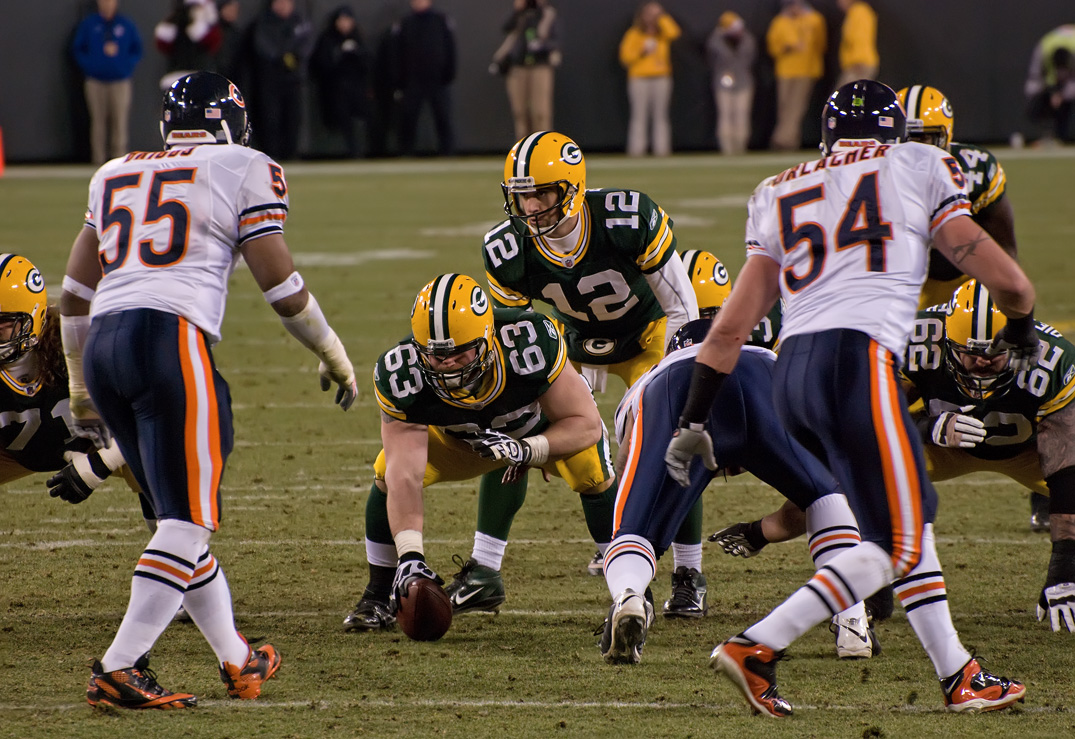
The Green Bay Packers and Chicago Bears have faced each other more times than almost any other pairing in professional football history. Their rivalry dates back over a century, making it one of the oldest and most respected in American sports.
Throughout the years, both teams have experienced periods of dominance. The Bears established themselves as a defensive powerhouse during several eras, while the Packers became known for elite quarterback play and offensive efficiency. Every matchup adds another chapter to a story that continues to evolve with each season.
When examining green bay packers vs chicago bears match player stats, it becomes clear that individual excellence often determines which team emerges victorious.
Quarterback Performances and Impact
Quarterbacks frequently serve as the focal point of this rivalry. Their ability to manage the game, avoid mistakes, and capitalize on scoring opportunities often shapes the final result.
Historically, Green Bay has benefited from remarkable quarterback consistency. Strong passing accuracy, intelligent decision-making, and efficient red-zone execution have frequently given the Packers an advantage.
Chicago, meanwhile, has relied on quarterbacks who can balance passing production with mobility. In many games, a quarterback’s rushing ability has helped the Bears sustain drives and create additional offensive opportunities.
Recent contests have highlighted how quarterback efficiency metrics such as completion percentage, touchdown-to-interception ratio, and passer rating correlate strongly with team success.
Quarterback Comparison Table
| Category | Packers QB | Bears QB |
|---|---|---|
| Passing Yards | 275 | 248 |
| Completion Percentage | 68% | 64% |
| Touchdowns | 3 | 2 |
| Interceptions | 1 | 1 |
| Passer Rating | 105.6 | 94.3 |
| Rushing Yards | 18 | 45 |
The table illustrates how even small statistical advantages can significantly impact game outcomes.
Running Back Contributions
While quarterbacks receive much of the attention, running backs often determine the physical tone of the matchup. Successful rushing attacks help control possession, manage field position, and wear down opposing defenses.
The Packers have traditionally emphasized balanced offensive play. Effective rushing performances complement their passing game and make the offense less predictable. Running backs contribute not only on the ground but also as receivers out of the backfield.
Chicago frequently uses its running backs to establish offensive rhythm. Strong rushing production can reduce pressure on the quarterback and create favorable down-and-distance situations.
A review of green bay packers vs chicago bears match player stats often reveals that teams winning the rushing battle enjoy a higher probability of securing victory.
Key Running Back Metrics
Important rushing statistics include:
- Total rushing yards
- Yards per carry
- Longest run
- Touchdowns
- Receiving yards
These metrics help measure both efficiency and overall offensive impact.
Wide Receivers and Passing Game Dynamics

Wide receivers play a critical role in stretching defenses and creating explosive plays. In modern football, elite receiving production can dramatically influence momentum.
Green Bay has consistently developed talented receivers capable of producing big gains after the catch. Route-running precision and reliable hands have often contributed to offensive success.
Chicago’s receiving corps has evolved significantly in recent years, featuring athletic playmakers capable of generating mismatches against defensive backs. Their ability to create separation and make contested catches often becomes a deciding factor.
In many rivalry games, a single explosive reception changes the trajectory of the contest. Therefore, receiving yards, receptions, and touchdowns remain among the most closely watched statistics.
Defensive Standouts Who Shape Outcomes
Defense has always been central to this historic rivalry. While offensive statistics attract headlines, defensive players frequently provide the game-changing moments that fans remember.
The Packers have benefited from aggressive pass rushers and opportunistic defensive backs. Sacks, quarterback pressures, and interceptions often create momentum swings that energize the team.
The Bears possess a rich defensive tradition built around physicality and discipline. Their defensive units have consistently excelled at stopping the run and forcing turnovers.
Evaluating green bay packers vs chicago bears match player stats requires close attention to defensive contributions because these performances frequently influence field position and scoring opportunities.
Defensive Categories Worth Tracking
Defensive success can be measured through:
- Total tackles
- Sacks
- Interceptions
- Forced fumbles
- Pass breakups
- Tackles for loss
Each category provides insight into how effectively a defense disrupts opposing offenses.
Special Teams Influence
Special teams often receive less attention than offense and defense, yet they can dramatically impact rivalry games.
Field goal accuracy, punt distance, kick return production, and coverage efficiency all contribute to overall team performance. A long return or clutch field goal can become the defining moment of a closely contested game.
Packers-Bears matchups have featured numerous examples where special teams changed momentum. Hidden yardage gained through effective kicking and returning often proves crucial in tight contests.
Turnovers and Momentum Shifts
One of the strongest indicators of success in football is turnover differential. Teams that protect the football while forcing mistakes generally enjoy greater opportunities to score.
Interceptions and fumbles frequently alter momentum in rivalry games. Because emotions run high, maintaining discipline and ball security becomes even more important.
Historical trends show that teams winning the turnover battle often control game flow and possess a significant advantage on the scoreboard.
When studying green bay packers vs chicago bears match player stats, turnover-related numbers deserve special attention because they frequently explain why a team won or lost.
Historical Statistical Trends
The rivalry has evolved significantly over the decades. Earlier games often featured run-heavy offenses and lower-scoring contests. Modern matchups emphasize passing efficiency and explosive offensive production.
Several trends emerge when reviewing historical data:
- Passing yardage has steadily increased.
- Quarterback efficiency has become more important.
- Defensive schemes have grown increasingly sophisticated.
- Special teams continue to play a decisive role in close games.
These trends illustrate how football strategy has changed while preserving the competitive spirit that defines the rivalry.
Most Important Individual Performances
Many legendary players have left their mark on Packers-Bears games through exceptional performances.
Quarterbacks have delivered memorable passing displays, while running backs have produced dominant rushing efforts. Defenders have recorded game-changing interceptions, sacks, and forced fumbles that altered outcomes.
The most impactful performances typically combine statistical excellence with timely execution. Players who excel during critical moments often become part of rivalry history.
Examining green bay packers vs chicago bears match player stats highlights how individual brilliance can elevate an entire team and influence the result.
Advanced Metrics and Modern Analysis
Traditional statistics remain important, but advanced metrics provide deeper insight into player performance.
Analysts increasingly evaluate:
- Expected Points Added (EPA)
- Success Rate
- Air Yards
- Pressure Rate
- Yards After Catch
- Defensive Coverage Grades
These metrics help explain contributions that may not appear in basic box scores.
For example, a receiver with moderate yardage may still create significant value through crucial third-down conversions. Likewise, a defender who generates consistent pressure may influence the game even without recording a sack.
How Coaching Impacts Player Statistics
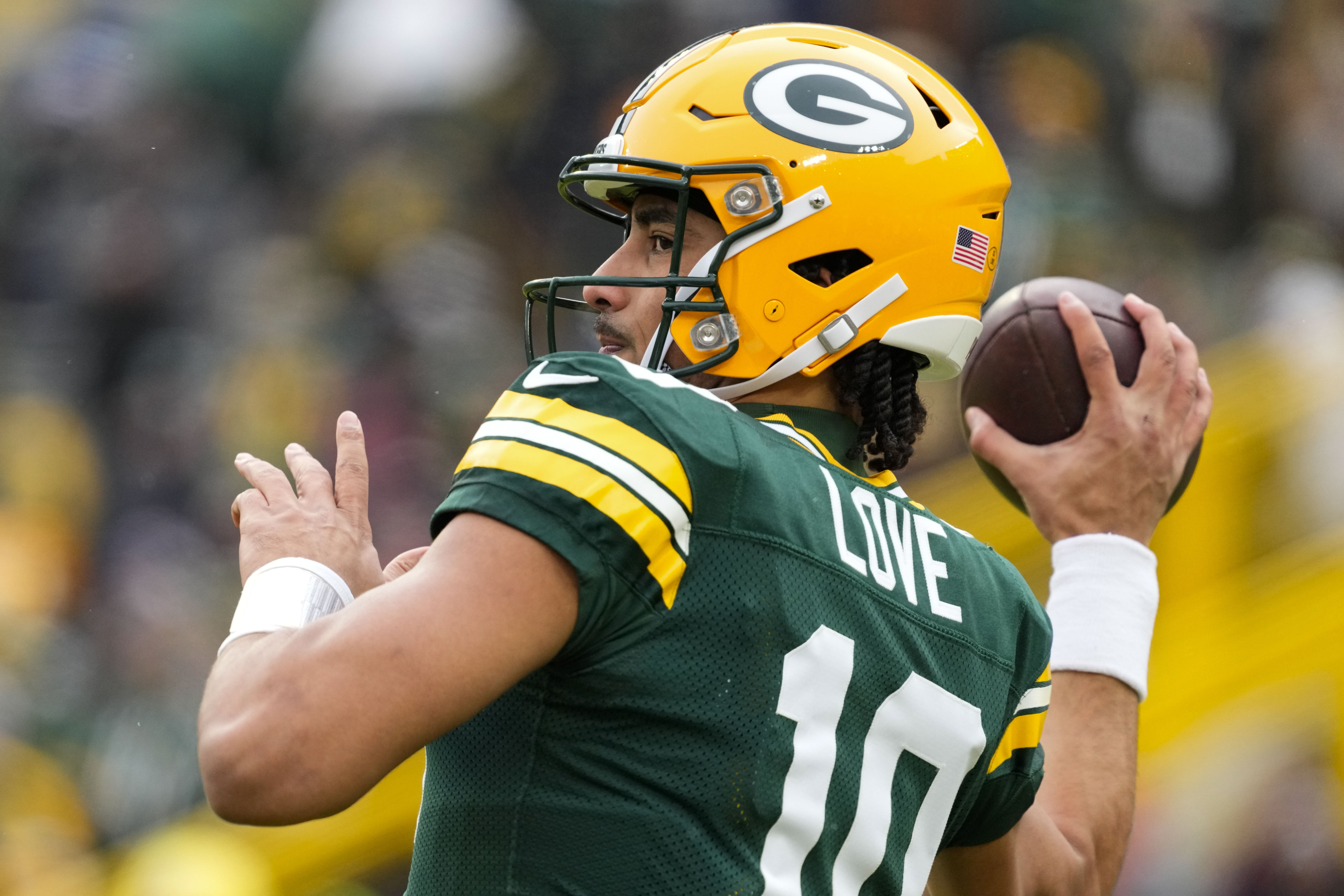
Coaching decisions significantly affect statistical outcomes. Offensive play-calling, defensive adjustments, and clock management all influence player production.
Successful coaches maximize strengths while minimizing weaknesses. They identify favorable matchups and design strategies that place players in positions to succeed.
In rivalry games, coaching preparation often determines which team executes more efficiently under pressure. Statistical trends frequently reflect the effectiveness of these strategic decisions.
What Fans Can Learn from the Numbers
Statistics provide a deeper understanding of football beyond the final score. They reveal which players performed efficiently, how teams generated advantages, and where momentum shifted during the game.
By examining offensive, defensive, and special teams metrics together, fans gain a more complete perspective on each contest. Numbers tell the story behind the highlights and help explain why certain outcomes occur.
Reviewing green bay packers vs chicago bears match player stats allows supporters to appreciate both individual achievements and team-wide execution.
Key Takeaways
The Packers-Bears rivalry remains one of football’s greatest traditions because of its history, intensity, and memorable performances.
Key points include:
- Quarterback efficiency strongly influences outcomes.
- Running backs establish offensive balance and control.
- Receivers create explosive scoring opportunities.
- Defensive playmakers generate momentum-changing moments.
- Turnover differential remains a critical success factor.
- Special teams frequently determine close games.
- Advanced metrics provide deeper insight into player contributions.
Understanding these factors helps fans appreciate the complexity and excitement of every matchup.
FAQs
1. Why are Packers vs Bears games so important?
The rivalry is among the oldest in professional football and features a long history of memorable moments, legendary players, and passionate fan bases.
2. Which player statistics matter most in these matchups?
Quarterback efficiency, rushing production, receiving yards, turnovers, and defensive impact statistics are often the most influential.
3. How do turnovers affect rivalry games?
Turnovers can quickly shift momentum, provide favorable field position, and create additional scoring opportunities.
4. What defensive statistics are most valuable?
Sacks, interceptions, forced fumbles, tackles for loss, and pass breakups provide important insight into defensive effectiveness.
5. Why are advanced metrics becoming more popular?
Advanced analytics offer deeper evaluation of player performance beyond traditional box-score statistics.
6. Do special teams significantly impact results?
Yes. Field goals, kick returns, punt coverage, and field position often play major roles in determining winners.
7. How can fans better understand player performances?
Combining traditional statistics with advanced metrics provides a more complete understanding of player contributions and overall team success.
Conclusion
The rivalry between the Green Bay Packers and Chicago Bears continues to capture the attention of football fans because it combines rich history with outstanding athletic performance. Every matchup showcases strategic battles, individual brilliance, and intense competition that reflects the traditions of both franchises.
Analyzing green bay packers vs chicago bears match player stats reveals far more than simple numbers. It highlights the quarterbacks who lead offenses, the running backs who establish physicality, the receivers who create explosive plays, and the defenders who deliver game-changing moments. As future chapters of this historic rivalry unfold, player statistics will remain one of the best ways to understand and appreciate the drama that makes Packers-Bears games unforgettable.
Read More:-