
The t20 ind vs aus rivalry represents one of the most exciting contests in modern international cricket. India and Australia have consistently produced competitive matches across formats, but the shortest format adds an entirely different level of intensity. With only 20 overs available to each side, a few powerful overs, an exceptional bowling spell, or a brilliant fielding effort can completely change the direction of a match. The limited time also forces players to make quick decisions, making tactical awareness just as important as individual skill.
Whenever these two cricketing nations meet in T20 cricket, expectations are naturally high. India traditionally brings a strong combination of technically capable batters, aggressive stroke-makers, versatile all-rounders, and varied bowling options. Australia, meanwhile, has a reputation for fearless cricket, physical intensity, powerful batting, and players who are comfortable performing under pressure. The contrast between these approaches makes their meetings particularly interesting for supporters who enjoy fast-paced cricket.
The importance of the t20 ind vs aus contest goes beyond individual performances. Modern T20 cricket is increasingly about match-ups, strike rotation, boundary percentages, bowling changes, field placements, and controlling momentum. A team may appear to be dominating after ten overs but can lose the advantage within a few deliveries. This unpredictability is one of the biggest reasons why India-Australia T20 matches attract such widespread attention.
Why India vs Australia T20 Matches Are So Competitive
India and Australia have developed a strong sporting rivalry over several decades. While Test cricket has historically been associated with their most famous battles, T20 cricket has created a newer version of the rivalry where aggressive tactics and rapid scoring are central. Players have less time to settle into an innings, and captains must constantly evaluate the situation rather than relying on long-term plans.
The t20 ind vs aus contest is also fascinating because both sides generally possess multiple players capable of changing a match independently. A batter can score a rapid half-century, while a bowler can take two wickets in an over and immediately alter the required scoring rate. This creates a constant battle for momentum. Even when one team has a superior-looking lineup on paper, the conditions on a particular day can make the competition much closer.
Another reason for the competitiveness is the depth available to both teams. T20 cricket requires players who can contribute in multiple areas. A specialist batter who cannot rotate strike, an expensive bowler, or a weak fielding performance can become costly because there are so few overs available to recover. India and Australia generally understand this pressure and therefore place significant importance on all-round team balance.
Key Tactical Battles in T20 IND vs AUS
Powerplay Batting and Early Pressure
The opening six overs can establish the foundation for the entire match. India may look to use technically sound opening batters who can attack scoring opportunities without exposing the middle order too early. Australia often approaches the powerplay with an equally aggressive mindset, attempting to put immediate pressure on the opposition bowling attack.
The t20 ind vs aus powerplay battle is particularly important because fielding restrictions allow batters to target gaps around the boundary. At the same time, opening bowlers can exploit movement, bounce, and changes of pace. A team that loses two early wickets may have to reduce its attacking approach, while a strong opening partnership can allow the middle order to play with greater freedom.
Middle-Overs Control
The middle overs are often where T20 matches become tactical rather than purely aggressive. Spinners, cutters, slower deliveries, and smart field placements can restrict scoring. Batters need to maintain momentum without taking unnecessary risks, while captains must decide when to introduce their strongest bowlers.
For India, middle-over control can involve using spin and variation to prevent opponents from comfortably rotating the strike. Australia can respond with powerful hitters who target specific bowlers and manipulate the field. The side that wins these overs often enters the final phase with a significant advantage.
Death Overs and Finishing Ability
The final four or five overs can produce dramatic changes in a T20 match. Batters who can clear the boundary consistently become extremely valuable, but finishing is not simply about hitting sixes. Smart running between wickets, identifying slower balls, and targeting specific areas of the field can make a major difference.
For bowlers, the challenge is even more demanding. Yorkers, slower balls, wide lines, and changes of pace can limit boundary opportunities. However, a single mistake can disappear over the boundary. In the t20 ind vs aus matchup, the death overs often become a direct contest between power hitting and bowling execution.
Batting Strengths That Can Decide the Match
India’s batting strength generally comes from its combination of established international experience and aggressive modern T20 techniques. The team can build an innings through strike rotation before accelerating when the field spreads. This approach is useful when the pitch does not offer easy boundary opportunities because batters can continue collecting singles and doubles.

Australia’s batting philosophy has traditionally emphasized confidence and attacking intent. Australian batters are often comfortable taking on fast bowlers and using their reach to access different areas of the ground. However, aggressive batting also carries risk. If Australia loses several wickets while attacking, its scoring momentum can quickly decline.
One of the most important elements in the t20 ind vs aus battle is therefore the relationship between aggression and risk management. A team does not necessarily need to hit the most boundaries to win. It needs to maximize its scoring opportunities while protecting enough wickets to launch a final-overs attack.
Bowling Strategies and Match-Winning Spells
T20 bowling requires constant adaptation. A bowler who succeeds during the powerplay may struggle at the death because batters change their approach. Similarly, a spinner can dominate when the pitch offers grip but become vulnerable if the ball starts coming onto the bat.
India can benefit from having different types of bowlers available for different match situations. Fast bowlers can attack with pace and movement, while spinners can change the rhythm of an innings. Australia can also create difficult match-ups through pace, bounce, and variations. The captain’s timing in introducing these options can be just as important as the bowlers themselves.
A successful t20 ind vs aus bowling performance usually requires more than taking wickets. Controlling boundaries, forcing mistimed shots, and creating pressure through dot balls can be equally valuable. In a format where the required run rate can rise rapidly, six or seven consecutive dot balls may have almost the same psychological impact as a wicket.
Players Who Can Influence the Contest
T20 cricket is heavily influenced by individual match-winners. One batter can transform a competitive total into a huge score, while one bowler can turn a comfortable chase into a difficult one. India and Australia both possess players capable of performing these roles.
The most important contributors are not always the highest-profile names. A lower-order batter scoring 25 runs from 10 balls, an all-rounder taking two wickets, or a fielder producing a crucial run-out can have a decisive impact. This is why team balance is so important in modern T20 cricket.
The t20 ind vs aus contest also provides a valuable test of temperament. International T20 matches can involve enormous pressure because every delivery receives attention. Players must remain composed after conceding boundaries and avoid panic when the required rate increases.
Important Factors Before a T20 IND vs AUS Match
Several conditions should be considered when assessing how a match could develop. The pitch, weather, venue dimensions, toss, team selection, and recent player form can all influence the tactical approach. A venue with short boundaries may encourage teams to attack with power, while a slower surface could make spin and change-of-pace bowling more effective.
| Match Factor | Why It Matters |
|---|---|
| Pitch condition | Determines whether pace, spin, or batting is likely to be more effective |
| Powerplay wickets | Early dismissals can change the entire batting strategy |
| Middle-over scoring | Helps maintain momentum before the final overs |
| Death bowling | Can restrict or concede a large number of runs |
| Fielding quality | Saves runs and creates additional wicket opportunities |
| Toss and conditions | May influence whether teams prefer chasing or setting a target |
The toss can sometimes influence strategy, particularly at venues where conditions change between innings. However, the toss should never be treated as the sole predictor of the result. Strong teams can adapt to difficult situations, and T20 cricket frequently produces results that challenge pre-match expectations.
How India Can Approach Australia
India can benefit from maintaining flexibility throughout the innings. Rather than relying entirely on boundary hitting, the team can combine aggressive shots with efficient strike rotation. Against Australia’s fast bowlers, playing close to the ground and targeting gaps may reduce unnecessary risks during the early stages.
India’s bowling strategy can also focus on creating difficult match-ups. Bowlers need to identify which Australian batters are comfortable against particular styles and then adjust their lines accordingly. Using slower deliveries, spin, changes of pace, and strategic field placements can prevent Australia from establishing uninterrupted momentum.
How Australia Can Challenge India
Australia can attempt to put pressure on India’s bowlers from the beginning. An aggressive powerplay can force India to alter its bowling plans early and potentially expose less experienced options. However, Australia must balance this attacking strategy with wicket preservation.
With the ball, Australia’s pace attack can attempt to exploit bounce and movement while using variations when batters begin targeting the boundaries. Against India’s strong middle order, taking wickets may be more valuable than simply trying to reduce the run rate because established batters can accelerate dramatically during the final overs.
Why Fielding Can Be a Deciding Factor
Fielding is sometimes overlooked when discussions focus on batting and bowling, but it can determine close T20 matches. Saving four or five boundaries may effectively equal the contribution of a useful batting innings. A sharp catch or direct-hit run-out can also remove a player who might otherwise score 20 or 30 quick runs.
In a high-pressure t20 ind vs aus match, fielders must remain alert throughout all 20 overs. Captains frequently use attacking positions when a wicket is needed, while boundary riders become essential during the final overs. One dropped catch can change the entire momentum of a match, particularly when it involves an established batter.
The Role of Modern T20 Strategy
Modern T20 cricket has become increasingly analytical. Teams study player match-ups, scoring areas, bowling patterns, and venue statistics before selecting their strategies. This does not eliminate instinct, but it gives captains and coaching teams more information when making decisions.
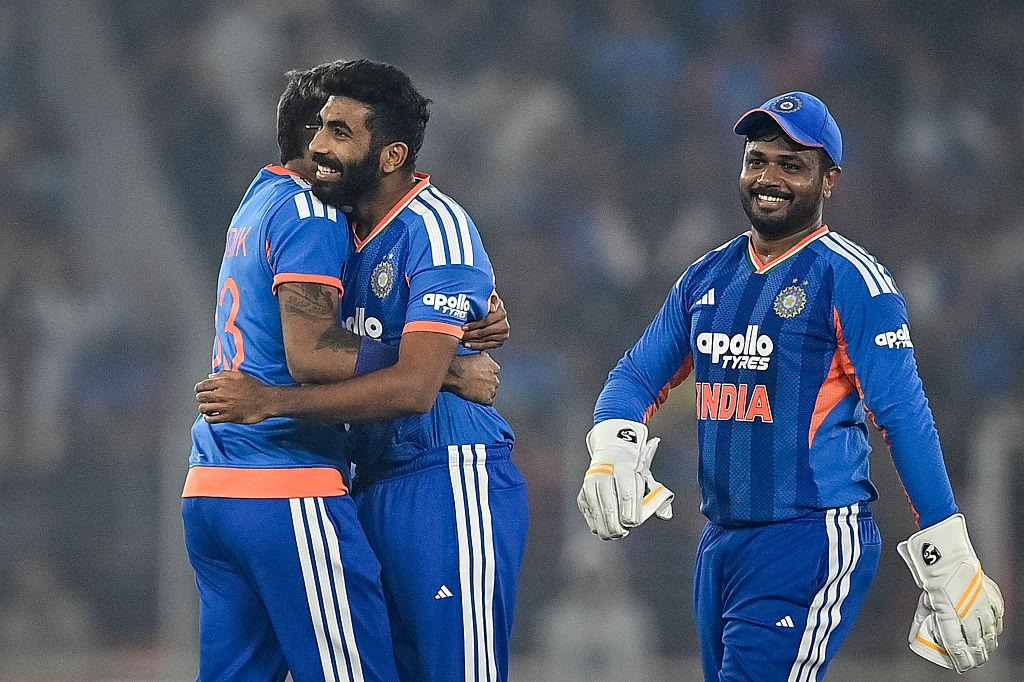
The t20 ind vs aus rivalry is an excellent example of how analytical planning and on-field instinct work together. A captain may enter the match with a detailed plan but still need to change it after seeing how the pitch behaves or how a batter approaches the innings. Successful teams are usually those that can adjust quickly without losing their overall structure.
What Makes the Rivalry Special for Fans
The attraction of India versus Australia extends beyond statistics. Both countries have passionate cricket audiences, and their matches frequently carry a strong competitive atmosphere. Supporters expect intensity, high-quality performances, and moments that can become memorable long after the final ball.
The t20 ind vs aus format makes this excitement even stronger because the result can change rapidly. A team requiring 50 runs from 30 balls may suddenly need only 20 from 12 after two big overs. Conversely, two quick wickets can completely reverse the situation. This constant uncertainty keeps spectators engaged from the opening delivery until the end.
Conclusion
The t20 ind vs aus rivalry combines elite talent, aggressive cricket, tactical experimentation, and intense pressure. India and Australia have the depth required to produce match-winning performances across every department, making their T20 encounters difficult to predict and highly entertaining. Batting momentum, powerplay wickets, middle-over control, death bowling, and fielding efficiency can all influence the final result. Ultimately, success in a T20 contest is about making better decisions under pressure. The strongest team is not always the one with the biggest names; it is the side that adapts most effectively to the conditions and executes its plans when important moments arrive. That combination of skill and uncertainty is what continues to make India versus Australia one of the most compelling matchups in international T20 cricket.