
The Indian Premier League once again delivered a highly competitive season in 2026, bringing together ten franchises, established international stars, emerging Indian talent, dramatic finishes and some remarkable individual performances. The tournament featured 74 matches during the main season before moving into the playoff stage, creating another extended period of high-intensity T20 cricket. For fans, the season offered everything from explosive batting displays and close run chases to disciplined bowling performances and unexpected results. The 2026 IPL matches also provided another opportunity for young players to make a major impression on one of the biggest stages in franchise cricket.
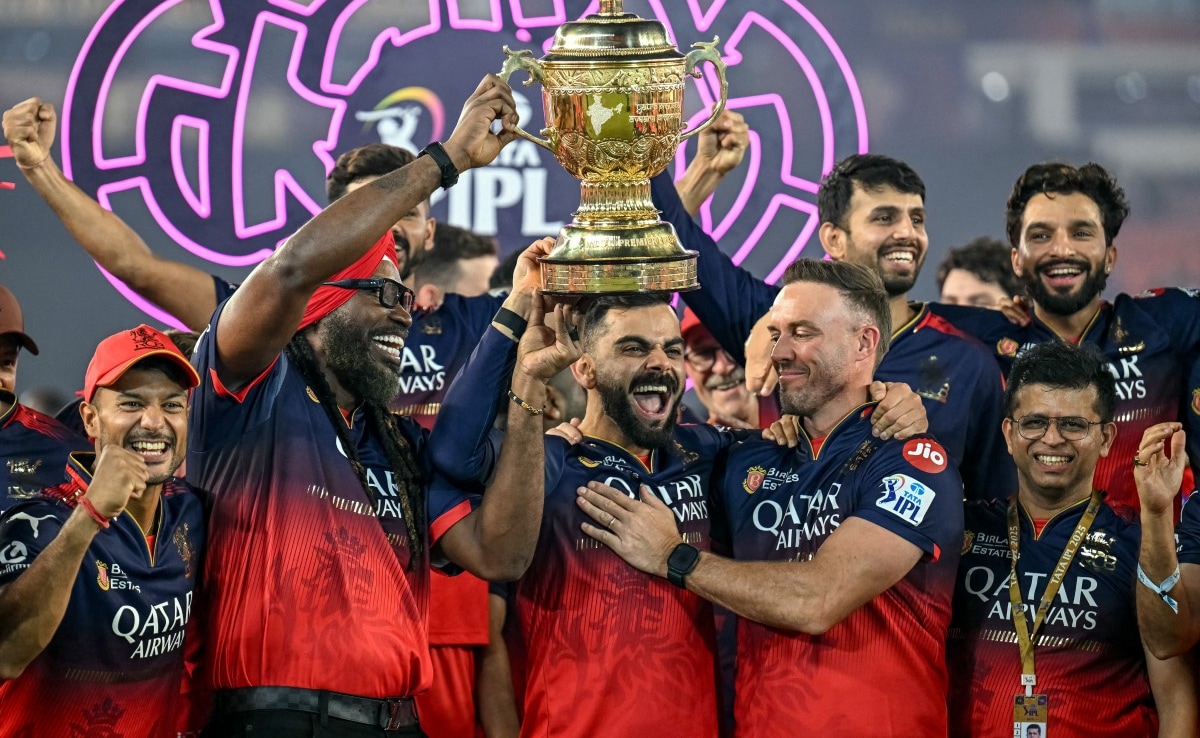
The 2026 competition began on March 28 and concluded with the final on May 31. Royal Challengers Bengaluru ultimately lifted the trophy after defeating Gujarat Titans by five wickets in the final at Narendra Modi Stadium in Ahmedabad. The campaign was particularly notable because RCB successfully defended its previous title, adding another important chapter to the franchise’s history. At the individual level, young batter Vaibhav Sooryavanshi emerged as one of the biggest stories of the tournament, while several experienced players also produced influential performances throughout the season.
How the 2026 IPL Season Was Structured
The 2026 tournament followed the familiar ten-team format, with the franchises competing through a 74-match league stage before the playoff phase determined the finalists. The large number of fixtures meant that teams had to manage form, player workload, injuries, travel and squad combinations over several weeks. Unlike a short knockout competition, the league format rewarded consistency while still allowing teams to recover from difficult starts.
The official schedule included matches across several major Indian cricket venues, with afternoon and evening fixtures creating different playing conditions. Evening games often brought dew into consideration, while afternoon matches could place greater emphasis on handling heat and pitch conditions. The schedule also included double-headers, which added variety to the viewing experience and allowed multiple fixtures to be played on the same day. The official schedule listed the league fixtures along with the playoff dates, with the final scheduled for May 31.
Ten Teams Competing for the Trophy
The tournament once again featured ten well-established franchises: Royal Challengers Bengaluru, Gujarat Titans, Sunrisers Hyderabad, Rajasthan Royals, Punjab Kings, Delhi Capitals, Kolkata Knight Riders, Chennai Super Kings, Mumbai Indians and Lucknow Super Giants. Each team entered the competition with a different squad balance and tactical approach.
Some sides relied heavily on experienced international players, while others placed significant emphasis on younger Indian cricketers. This mixture is one of the reasons the IPL continues to create opportunities for players who may not yet have extensive international experience. Across the season, several younger players demonstrated that they could perform under pressure against established names, while experienced stars remained important in decisive situations.
2026 IPL Matches and the League-Stage Competition
The league phase produced a number of memorable encounters because the points table remained competitive for much of the tournament. Royal Challengers Bengaluru finished the league stage with nine wins from fourteen matches and 18 points, while Gujarat Titans and Sunrisers Hyderabad also finished with nine victories. Rajasthan Royals and Punjab Kings were among the other sides involved in the qualification battle, showing how important every league-stage result could become.
The importance of net run rate was also visible as teams competed for playoff positions. In a tournament where several franchises can finish with similar numbers of victories, the margin of victory can become just as important as the result itself. A team that wins comfortably can strengthen its position, while a narrow defeat may be less damaging than a heavy loss. This creates additional strategic pressure during the final weeks of the league stage.
Several games also demonstrated how quickly momentum can change in T20 cricket. High totals were chased successfully on some occasions, while other matches saw batting collapses after promising starts. Bowlers who could deliver effective powerplay overs and controlled death bowling became particularly valuable, especially against teams with aggressive top orders.
Key Results That Defined the Season
The 2026 IPL matches produced a wide variety of results, including high-scoring contests, dominant bowling displays and close finishes. One particularly notable playoff performance came when Royal Challengers Bengaluru defeated Gujarat Titans by 92 runs in Qualifier 1. RCB posted 254/5 before dismissing Gujarat Titans for 162, securing a place in the final.
Gujarat Titans then earned another opportunity by defeating Rajasthan Royals by seven wickets in Qualifier 2. Gujarat successfully chased 215 after Rajasthan posted 214/6, demonstrating the team’s ability to respond after a major setback. Rajasthan had earlier defeated Sunrisers Hyderabad by 47 runs in the Eliminator, making the playoff stage especially competitive before Gujarat eventually reached the final.
The final provided a different type of contest. Gujarat Titans scored 155/8 in their 20 overs, setting RCB a target that required controlled batting rather than an uncontrolled attacking approach. Royal Challengers Bengaluru reached 161/5 in 18 overs and won by five wickets. Virat Kohli’s unbeaten 75 was central to the successful chase, giving RCB another championship moment after an impressive campaign.
| Stage | Match | Result | Key Detail |
|---|---|---|---|
| Qualifier 1 | RCB vs Gujarat Titans | RCB won by 92 runs | RCB scored 254/5 |
| Eliminator | Rajasthan Royals vs SRH | RR won by 47 runs | RR scored 243/8 |
| Qualifier 2 | Gujarat Titans vs RR | GT won by 7 wickets | GT chased 215 |
| Final | RCB vs Gujarat Titans | RCB won by 5 wickets | RCB chased 156 |
Royal Challengers Bengaluru’s Successful Title Defence
One of the biggest stories surrounding the 2026 season was Royal Challengers Bengaluru’s successful title defence. After reaching the final, the franchise maintained its composure against Gujarat Titans and completed the chase with two overs remaining. The result made RCB only the third team in IPL history to defend its title, adding considerable significance to the victory.
The achievement was not simply about the final itself. RCB’s league campaign included nine victories from fourteen matches, and the team also produced a commanding performance against Gujarat in Qualifier 1. The combination of league-stage consistency and playoff execution allowed the franchise to maintain momentum when the pressure increased.
Virat Kohli’s contribution in the final was particularly significant. His unbeaten 75 gave the chase stability while the rest of the batting group worked around him. In T20 cricket, chasing a target successfully often requires a balance between aggression and risk management, and RCB’s final performance showed the value of maintaining that balance during the most important match of the tournament.
Vaibhav Sooryavanshi Becomes a Major Talking Point
One of the most striking individual stories of the season was the performance of Vaibhav Sooryavanshi. The young batter finished the tournament with 776 runs and a remarkable strike rate of 237.3, according to the season statistics. He also hit 72 sixes and received the Orange Cap, Most Valuable Player and Emerging Player awards.
His performances highlighted the changing nature of modern T20 cricket. Young batters are increasingly entering professional competitions with greater exposure to high-pressure cricket, advanced training methods and aggressive batting techniques. Sooryavanshi’s season demonstrated how quickly a young player can become an important part of the tournament conversation when consistent performances accompany natural attacking ability.
His success also added another layer to the broader appeal of the IPL. The league is not only a competition between established franchises; it is also a platform where new players can introduce themselves to a huge audience. A breakout season can significantly increase a player’s profile and create opportunities for future domestic and international cricket.
Bowling Performances and the Purple Cap Race
Although batting naturally receives significant attention in T20 cricket, the 2026 season once again showed why strong bowling units remain essential. Kagiso Rabada finished as the leading wicket-taker with 29 wickets, earning the Purple Cap. His performance reflected the continuing importance of pace bowling in a format where batsmen are constantly searching for scoring opportunities.
Successful T20 bowlers need more than raw pace. Variation, accuracy, changes of length and the ability to execute under pressure are all crucial. Powerplay wickets can disrupt an opposition’s plans early, while death-over bowling can determine whether a batting side finishes with 180 or crosses the 200-run mark. The strongest bowling performances throughout the tournament often came from attacks that could adapt their plans according to the batter and match situation.
The season also reinforced the value of bowling depth. With so many matches being played in a short period, teams cannot rely on one or two bowlers for every important over. A balanced attack provides captains with more tactical options and helps reduce pressure on individual players.
Why the Schedule Matters to Fans
For followers of the league, understanding the schedule is about more than knowing when a particular team plays. The sequence of matches can influence momentum, recovery periods and the difficulty of a team’s campaign. A franchise facing several strong opponents within a short period may need to rotate its squad, while another side might benefit from favorable timing between important fixtures.
The official 2026 schedule showed a combination of evening matches and afternoon double-headers. Several major cricket cities hosted games, giving supporters across different regions the opportunity to watch their teams at home. The venue factor remained important because pitch characteristics, boundaries, weather and local conditions can influence tactical decisions.
For fans looking back at the season, the 2026 IPL matches are therefore best understood as part of a larger campaign rather than as isolated fixtures. A team’s final position was shaped by dozens of decisions, individual performances and small moments that accumulated throughout the tournament.
The Growing Importance of Young Indian Players
The 2026 season also illustrated the continuing development of India’s domestic cricket pathway. Young players were able to compete alongside experienced international cricketers, learn from established professionals and perform in front of large audiences. This exposure can be valuable because T20 cricket demands rapid decision-making and the ability to handle pressure from the first ball.
Young players can also change the tactical balance of a team. An aggressive batter can accelerate the scoring rate, while a young fast bowler with variations can offer a captain an unexpected option. However, consistency remains the biggest challenge. Performing once is difficult, but maintaining standards over a long league campaign requires physical preparation, mental discipline and tactical awareness.
The emergence of new talent ensures that every season feels different. Even when many franchises retain familiar core players, breakthrough performances can alter team combinations and create new rivalries.
What Made the 2026 Season Memorable
Several themes stood out when looking back at the tournament. The successful title defence by RCB, the outstanding season from Vaibhav Sooryavanshi, the strong bowling performance of Kagiso Rabada and the competitive playoff race all contributed to the narrative of the competition. The final itself brought the season to a decisive conclusion, with RCB successfully chasing Gujarat’s total.
A few factors particularly shaped the season:
- Strong performances from both experienced stars and emerging players.
- Several high-scoring league and playoff contests.
- A closely contested qualification race involving multiple teams.
- Tactical importance of bowling depth and finishing ability.
The variety of match situations was another major attraction. Some teams succeeded through explosive batting, while others relied on disciplined bowling and efficient run chases. This tactical diversity ensured that there was rarely one guaranteed formula for success.
What Fans Can Take Away From the Season
Looking at the tournament as a whole, the 2026 IPL matches provided another example of how unpredictable T20 cricket can be. A strong team can dominate one evening and struggle in another, while an individual player can transform a match within a few overs. This uncertainty is one of the central reasons the IPL remains such an engaging sporting competition.
The season also showed that successful campaigns require balance. Big hitters can win matches, but they need support from bowlers, fielders, middle-order batters and finishers. Similarly, a strong bowling attack cannot consistently defend poor totals. Championship-winning teams generally need contributions from multiple areas, particularly during the playoff stage when the margin for error becomes extremely small.
For younger cricketers, the season offered another reminder that opportunities can arrive unexpectedly. Players who take advantage of those opportunities can become central figures in the competition within a very short period.
Conclusion
The 2026 IPL season delivered a combination of established stars, emerging talent, dramatic results and memorable playoff cricket. The tournament began with ten teams competing across a 74-match league phase and eventually narrowed down to a high-pressure playoff battle. Royal Challengers Bengaluru completed the campaign by defeating Gujarat Titans in the final, successfully defending their title and adding another major achievement to their IPL history. Beyond the trophy, the season will also be remembered for individual performances and the emergence of new talent. Vaibhav Sooryavanshi’s extraordinary batting campaign became one of the defining stories, while Kagiso Rabada’s wicket-taking consistency demonstrated the continued importance of elite bowling. Taken together, the 2026 IPL matches showcased the speed, unpredictability and competitive depth that make T20 cricket so compelling.

