
The India vs South Africa T20 rivalry is one of the most exciting contests in international cricket. Both teams feature powerful batters, skilled bowlers, athletic fielders, and experienced players who can change a match within a few overs. India is known for its deep batting lineup, aggressive stroke play, and variety in spin bowling, while South Africa often combines explosive hitting with pace, bounce, and disciplined bowling. These strengths make encounters between the two sides entertaining for cricket fans.
T20 cricket demands quick decisions, adaptability, and the ability to perform under pressure. A team can dominate the first half of an innings and still lose momentum during the final overs. Similarly, a bowler who concedes runs early can return to take important wickets at the right time. When India and South Africa meet, individual brilliance and collective planning both become essential. Understanding team combinations, pitch conditions, player roles, and match situations helps fans appreciate the tactical side of this popular format.
History and Importance of the Rivalry
India and South Africa have developed a competitive relationship across international cricket formats, including T20 Internationals. Their encounters often feature close finishes, high scoring rates, and impressive individual performances. Both teams have produced match-winning innings and memorable bowling spells, contributing to the growing popularity of their contests among global cricket audiences.
India generally benefits from a strong pool of technically sound and aggressive batters, along with bowlers who offer different styles and variations. South Africa, meanwhile, has traditionally developed powerful top-order hitters, versatile all-rounders, and fast bowlers capable of exploiting extra bounce. These contrasting strengths create interesting tactical battles throughout a match.
The importance of the rivalry increases during major tournaments and bilateral series. Every game can influence team confidence, series momentum, or progress in a competition. For supporters following India vs South Africa T20 matches, the excitement comes not only from the result but also from the way captains respond to changing conditions and how players handle high-pressure moments.
Team Strengths and Playing Styles
India’s Batting Strength
India’s T20 batting approach often focuses on establishing a strong foundation before accelerating through the middle and death overs. Top-order players aim to rotate the strike, find boundaries, and prevent the bowling side from building sustained pressure. Once the innings develops, power hitters can increase the scoring rate with lofted shots, sweeps, and innovative stroke play.
The middle order is particularly important when early wickets fall. Batters must assess whether the team needs a steady partnership or immediate aggression. A flexible lineup allows India to adjust its strategy according to the required run rate, the number of wickets remaining, and the bowling options available. Finishing ability is equally important because the final five overs can determine whether a competitive total becomes a match-winning score.
South Africa’s Batting Strength
South Africa is capable of producing rapid scoring through powerful hitting and confident attacking play. Its batters often target boundary opportunities while using their strength against both pace and spin. A successful opening partnership can create the platform for a large total, but the middle order must also manage difficult phases when wickets fall or bowlers change their approach.
Against India, South African batters need to identify favorable matchups and avoid giving away wickets during periods of control. Running between the wickets, rotating strike, and selecting the right deliveries to attack can be just as important as hitting sixes. The ability to maintain scoring momentum without taking unnecessary risks often separates a competitive innings from an exceptional one.
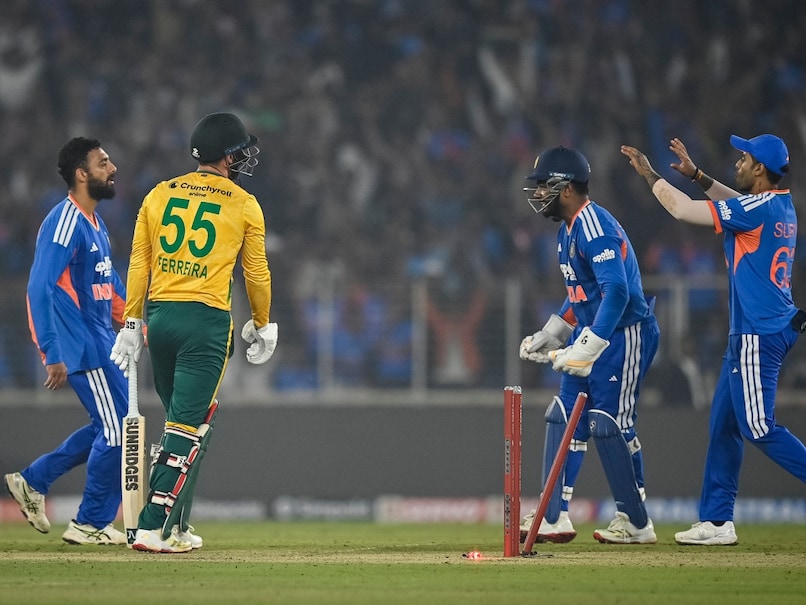
Bowling Comparison Between India and South Africa
Bowling can decide the outcome of a T20 match because teams have limited overs to restrict scoring and take wickets. India’s bowling resources may include fast bowlers, wrist spinners, finger spinners, and seam-bowling all-rounders. This variety allows the captain to create different matchups depending on the batter, pitch, and stage of the innings.
South Africa can counter with pace, seam movement, hard lengths, slower deliveries, and effective yorkers. Fast bowlers may be especially influential on surfaces offering bounce, while slower balls can become useful when batters attempt to attack every delivery. Both teams need to balance wicket-taking opportunities with the risk of conceding boundaries.
During the powerplay, bowlers generally focus on early breakthroughs and limiting easy scoring opportunities. In the middle overs, captains may use spin or variations to control the run rate. At the death, execution becomes crucial. Wide yorkers, accurate full deliveries, and well-disguised slower balls can make it difficult for batters to score freely.
Key Players Who Can Influence the Match
The exact impact players depend on the squads announced for a particular match. Fans should check the official playing elevens before making assumptions about availability or team combinations. Nevertheless, several established international stars illustrate the different strengths these sides can bring to T20 cricket.
For India, Suryakumar Yadav is known for inventive shot-making, while Hardik Pandya offers a combination of batting power and seam bowling when selected and available. Jasprit Bumrah brings control, pace variation, and experience in high-pressure overs. India’s wider talent pool also provides options for aggressive opening batting, spin bowling, and fielding flexibility.
South Africa has featured impactful players such as Aiden Markram, David Miller, Heinrich Klaasen, and Kagiso Rabada in its T20 setup. Markram can contribute as a top-order batter and part-time bowler, Miller is known for finishing innings, Klaasen offers powerful middle-order hitting, and Rabada brings pace and wicket-taking ability. Actual selection depends on form, fitness, squad rotation, and the match being played.
The most influential player is not always the one who scores the most runs or takes the most wickets. A quick cameo, a crucial partnership, an economical spell, or an outstanding catch can shift momentum. This is why evaluating a match requires attention to contributions across all phases rather than focusing exclusively on headline statistics.
Important Factors That Can Decide the Match
Several factors can shape the result of an India-South Africa T20 contest:
- Powerplay performance: Early wickets can disrupt the batting plan, while a strong start creates room for middle-order acceleration.
- Middle-over control: Teams that rotate strike and limit dot balls can maintain pressure without relying entirely on boundaries.
- Death-over execution: Accurate yorkers, slower deliveries, and smart batting choices influence the final score.
- Fielding standards: Direct hits, boundary saves, and difficult catches can make a significant difference in a close game.
- Captaincy decisions: Bowling changes, field placements, and batting promotions can influence key phases.
- Handling pressure: Players who remain composed during a tight chase or final over often provide a decisive advantage.
These factors are connected. For example, early wickets may force a team to rebuild, leaving fewer resources for the final overs. A strong powerplay bowling performance can therefore affect the entire innings rather than just the first six overs.
Pitch Conditions and Their Effect on T20 Cricket
Pitch conditions can influence the balance between bat and ball. A flat surface with consistent bounce may favor attacking batters, while a pitch offering seam movement can reward disciplined fast bowling. Slower surfaces may bring spinners and cutters into the contest, particularly when the ball grips or becomes difficult to hit cleanly.
Ground dimensions also matter. Short boundaries can encourage aggressive batting, but larger grounds reward precise placement and quick running. The weather, humidity, and possibility of dew may affect bowling grip and the ease of defending a total. These conditions should be assessed for the actual venue rather than assumed to be the same for every India vs South Africa T20 match.
Teams often consider the pitch report before finalizing their strategy. Captains may prefer to chase if conditions are expected to improve for batting later, or choose to bat first when the surface is likely to become slower. However, the toss alone does not determine the outcome. Adaptability during the game remains essential.
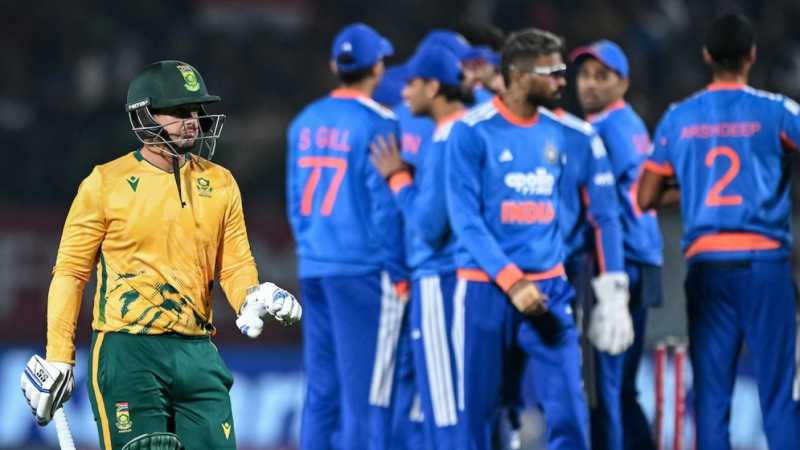
Head-to-Head Analysis and Match Statistics
Head-to-head records help fans understand how the teams have performed against each other over time. However, historical numbers should be interpreted carefully because player availability, venues, team combinations, and playing conditions change between series. A team that performed well several years ago may have a very different lineup today.
Useful statistics include total wins, batting averages, strike rates, economy rates, wickets taken, powerplay scoring, and death-over performance. Recent results can provide context about form, but they do not guarantee the outcome of the next encounter. It is also important to distinguish bilateral T20 Internationals from matches played in international tournaments or domestic franchise competitions.
The following table summarizes the main areas worth examining before a match.
| Match factor | India | South Africa |
|---|---|---|
| Batting approach | Flexible lineup with varied stroke play | Powerful hitting and aggressive scoring |
| Bowling resources | Pace, spin, and tactical variation | Pace, seam, and changes of speed |
| Middle overs | Strike rotation and spin options | Matchups and calculated aggression |
| Death overs | Execution under pressure | Power hitting and pace variations |
| Fielding priorities | Boundary prevention and sharp catching | Athletic fielding and direct-hit opportunities |
| Key tactical goal | Control momentum across innings | Exploit scoring opportunities and take wickets |
This comparison describes general team characteristics rather than guaranteed strengths in a specific fixture. Current form, selected players, and venue conditions can change the balance considerably.
Batting First Versus Chasing
Choosing whether to bat or bowl first requires an assessment of the surface, weather, and likely match conditions. When batting first, a team must build a total that applies pressure to the opposition. A steady start followed by acceleration can be effective, but a slow innings may leave the bowlers with too little margin for error.
During a chase, the required run rate becomes a constant reference point. Batters need to understand when to attack and when to preserve wickets. A team chasing a moderate target may benefit from a controlled start, while a demanding target might require early boundary scoring. Partnerships are vital because they reduce pressure and prevent repeated rebuilding.
In India vs South Africa T20 encounters, the toss can influence planning, but the quality of execution usually matters more. Teams must respond to the actual conditions rather than follow a rigid formula. A captain who recognizes a change in the pitch or identifies a favorable bowling matchup can gain an advantage even after losing the toss.
Conclusion
India and South Africa offer an exciting combination of attacking batting, varied bowling, strong fielding, and tactical competition in the shortest international format. Their contrasting styles make each encounter an opportunity to see how skill, preparation, and decision-making influence the final result. Powerplay wickets, middle-over partnerships, bowling changes, and death-over execution are all important elements of the contest.
For fans, following the India vs South Africa T20 rivalry becomes more rewarding when they look beyond the final score. Comparing recent performances, checking confirmed playing elevens, understanding pitch conditions, and studying individual contributions provides a clearer picture of the match. Although predictions can add excitement, T20 cricket remains unpredictable, and a single over can change everything. Ultimately, the team that adapts quickly, manages pressure, and executes its plans consistently has the best chance of winning.

