
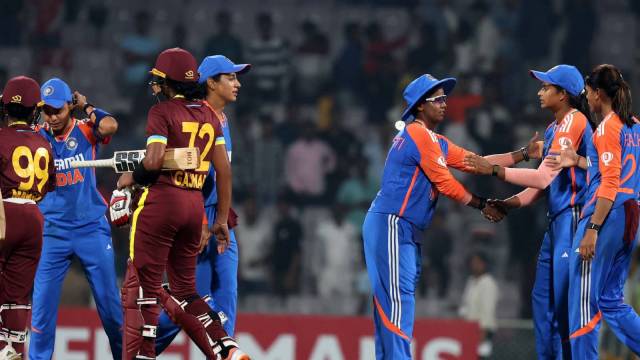
Women’s cricket has grown significantly in popularity, and matches between India Women and West Indies Women regularly attract attention from fans who enjoy competitive international cricket. Both teams have produced memorable performances across One Day Internationals (ODIs), Twenty20 Internationals (T20Is), and other major competitions. Supporters often search for the India women’s national cricket team vs West Indies women match scorecard to understand the result, compare individual performances, and review the important moments that shaped a game.
A cricket scorecard provides more than the final result. It records runs, balls faced, boundaries, wickets, bowling figures, extras, and fall-of-wicket details. These statistics help readers understand how a team built its innings and how the opposition responded. However, the precise scorecard depends on the match format and date. This article explains how to read the scorecard, evaluate player contributions, and understand the tactical factors that influence encounters between these two international women’s teams.
Overview of India Women vs West Indies Women
India Women and West Indies Women bring different strengths to international cricket. India’s team has traditionally been recognised for its technically skilled batters, varied bowling resources, and strong performances in major international tournaments. West Indies Women are known for their athletic fielding, powerful hitting, and ability to change a match through aggressive batting or effective bowling spells.
When these teams meet, the contest can develop in several ways. In an ODI, the ability to build partnerships and preserve wickets over a longer innings is important. In a T20I, quick scoring, effective death bowling, and sharp fielding can have a greater influence on the outcome. Conditions, pitch behaviour, weather, and the toss also affect team strategies.
The India women’s national cricket team vs West Indies women match scorecard allows readers to assess these differences through measurable statistics. By examining batting partnerships, bowling economy rates, strike rates, and wickets taken, fans can identify which team controlled the important stages of the contest.
Match Scorecard: Key Information to Check
A complete scorecard usually begins with the match details and the result. It identifies the competing teams, venue, date, format, toss winner, and innings totals. These details establish the context needed to interpret the figures correctly.
The following table provides a scorecard template for reviewing an India Women versus West Indies Women match. Because no specific fixture has been identified, the entries are descriptive rather than invented match statistics.
| Scorecard Detail | Information to Review |
|---|---|
| Match | India Women vs West Indies Women |
| Format | ODI or T20I |
| Venue | Match-specific stadium |
| Toss | Team winning the toss and decision |
| India Women innings | Total runs, wickets, and overs |
| West Indies Women innings | Total runs, wickets, and overs |
| Top scorer | Player with the highest individual score |
| Best bowling figures | Bowler with the strongest wicket-taking return |
| Result | Winning team and margin, or a tie/no result |
| Player of the Match | Officially recognised standout performer |
A completed scorecard should use verified figures from the particular fixture. The format matters because an ODI innings normally has a maximum of 50 overs per side, while a standard T20I innings has a maximum of 20 overs, subject to playing conditions and interruptions.
India Women Batting Performance
India Women’s batting performance can be assessed by looking beyond the total number of runs scored. The opening batters set the tone by handling the new ball, rotating the strike, and taking advantage of scoring opportunities. A strong start can create a platform for the middle order, while early wickets may force the team to rebuild rather than attack.
The middle order often determines whether a promising start becomes a competitive total. Batters need to combine controlled stroke play with intelligent running between the wickets. In ODIs, building partnerships and accelerating later in the innings are particularly important. In T20Is, batters must generally maintain a higher scoring rate while managing the risk of losing wickets.
When analysing the India women’s national cricket team vs West Indies women match scorecard, readers should examine each batter’s runs, balls faced, fours, sixes, and dismissal. A player scoring quickly may have made a major contribution even without reaching a half-century. Similarly, a patient innings may be valuable when wickets fall regularly at the other end.
Useful batting statistics include:
- Runs scored: The total contribution made by each batter.
- Strike rate: The number of runs scored per 100 balls faced.
- Boundaries: Fours and sixes that contribute to the scoring rate.
- Partnerships: Runs added by pairs of batters.
- Dismissals: The manner in which each batter was out.
West Indies Women Batting Performance
West Indies Women can bring considerable attacking intent to their batting, particularly when conditions favour stroke play. Their approach may involve taking calculated risks during the powerplay, targeting scoring areas, and using powerful shots to put pressure on the bowlers. However, successful batting also requires discipline and the ability to adapt when the pitch offers movement or turn.
The opening partnership is important because it can establish the pace of the innings. If the openers score consistently without losing wickets, the middle order can build on that foundation. If early dismissals occur, the remaining batters must balance recovery with the need to maintain the required run rate.
A useful analysis of the India women’s national cricket team vs West Indies women match scorecard compares West Indies’ scoring pattern with India’s bowling strategy. Readers can look for periods when the run rate increased or declined, whether wickets fell in clusters, and how the team performed against pace and spin. These details explain why an innings succeeded or struggled more clearly than the final total alone.
The highest scorer is not necessarily the only batter who deserves attention. A supporting batter who rotates the strike, maintains a partnership, or finishes strongly can be just as influential in determining the team’s final score.
India Women Bowling Analysis
India Women’s bowling unit can influence a match through accuracy, variation, and the ability to take wickets at critical moments. Fast bowlers may seek movement with the new ball, while spinners can use changes in pace and flight to challenge batters through the middle overs. The best approach depends on the pitch, the conditions, and the opposition’s batting strengths.
Bowling figures usually show overs, maidens, runs conceded, wickets taken, and sometimes economy rate. The economy rate measures the average runs conceded per over. It helps readers evaluate how effectively a bowler restricted scoring, although it should be considered alongside wickets and match circumstances.
For example, a bowler who takes two wickets while conceding relatively few runs may have interrupted a developing partnership and shifted momentum. Another bowler might take no wickets but maintain pressure through accurate deliveries, helping a teammate attack from the other end.
When reading the scorecard, also consider extras such as wides and no-balls. These deliveries provide additional runs and may allow the batting team to retain momentum. A disciplined bowling performance can therefore be just as important as the number of wickets taken.
West Indies Women Bowling Analysis
West Indies Women’s bowling performance should be evaluated through wicket-taking ability, control, and effectiveness at different stages of the innings. Fast bowlers may try to use pace and bounce, while spin options can restrict scoring and encourage batters to take risks. Field placement and changes in bowling combinations can also influence the outcome.
In a T20I, the final overs are often especially important. Bowlers must defend boundaries while limiting opportunities for easy singles. Yorkers, slower balls, and changes of length may be used to disrupt a batter’s rhythm. In an ODI, bowlers have more overs to work with, but maintaining pressure and breaking partnerships remain essential.
The India women’s national cricket team vs West Indies women match scorecard helps reveal whether West Indies controlled India’s scoring opportunities or struggled to contain a late acceleration. The figures alone do not always explain the whole story, so they should be considered alongside the match situation and batting order.
A good bowling analysis identifies the most economical spell, the bowler who took key wickets, and any period when the opposition scored freely. This approach creates a more balanced assessment than judging bowlers solely by the number of wickets they claimed.
Key Factors That Can Decide the Match
Several factors can determine the outcome when India Women face West Indies Women. The toss may influence the decision to bat or bowl first, particularly when dew, cloud cover, or changing pitch conditions are expected. Nevertheless, winning the toss does not guarantee success; teams must execute their plans effectively.
Partnerships are another major factor. A team that loses wickets regularly may find it difficult to maintain its scoring rate, even if individual batters produce promising starts. Conversely, a long partnership can stabilise an innings and create opportunities for a strong finish.
Fielding can make a substantial difference as well. Catches, run-outs, ground fielding, and the prevention of boundaries can change the balance of a close match. A dropped catch may allow a key batter to score more runs, while a direct-hit run-out can end a threatening partnership.
Important factors to consider include:
- Powerplay scoring and early wickets.
- Partnerships in the middle overs.
- Bowling economy and wicket-taking spells.
- Runs scored during the final overs.
- Catches taken, missed chances, and run-outs.
- Pitch conditions, weather, and the toss decision.
Together, these elements explain how the match developed from the opening delivery to the final result.
How to Read and Compare Match Statistics
Scorecards become more useful when readers compare statistics in context. A batter’s strike rate should be evaluated against the match format, while a bowler’s economy rate should be interpreted in light of the scoring conditions. In a high-scoring T20I, a moderate economy rate may be less impressive than it would be in a low-scoring contest.
The required run rate is another useful statistic when a team is chasing a target. It shows how many runs per over are needed to reach the target within the available overs. If the required rate rises sharply, the batting side may need to attack more aggressively, increasing the risk of losing wickets.
Readers reviewing the India women’s national cricket team vs West Indies women match scorecard should also distinguish between individual achievements and match-winning contributions. A half-century may provide a strong foundation, but a quick cameo, a crucial wicket, or a decisive fielding effort can ultimately determine the result.
Comparing several matches can reveal broader patterns, including consistency against particular bowling styles, the effectiveness of opening partnerships, and the ability to perform under pressure. These comparisons should use scorecards from verified fixtures rather than combining statistics from different matches.
Why This Matchup Matters in Women’s Cricket
India Women and West Indies Women contribute to the international women’s cricket landscape through their participation in bilateral series and major competitions. Their encounters give players opportunities to test their skills against different playing styles and help teams assess their strengths before future fixtures.
For supporters, scorecards provide a convenient way to follow performances when they cannot watch an entire match. Coaches and analysts can use the same figures to evaluate decision-making, identify weaknesses, and plan future strategies. Journalists and cricket writers can also use verified scorecard information to explain turning points and individual achievements.
Interest in this matchup reflects the wider growth of women’s cricket, including increased attention to international tournaments, emerging players, and competitive team performances. Accurate match information is important for maintaining that interest and ensuring readers receive a reliable account of what happened on the field.
Conclusion
The India women’s national cricket team vs West Indies women match scorecard is a valuable resource for understanding the result, individual performances, and tactical decisions behind an international women’s cricket contest. Batting figures reveal how runs were accumulated, bowling statistics show how teams applied pressure, and fielding details help explain important turning points.
To obtain an accurate match report, readers should identify the specific fixture and review its official scorecard, including the date, format, venue, innings totals, wickets, and final result. This prevents statistics from different matches being confused and ensures that individual achievements are correctly attributed.
Whether the contest is an ODI or a T20I, analysing the complete scorecard offers a clearer understanding of how India Women and West Indies Women compete, adapt, and respond to pressure. A combination of verified figures and match context provides the most informative picture of the game.

