
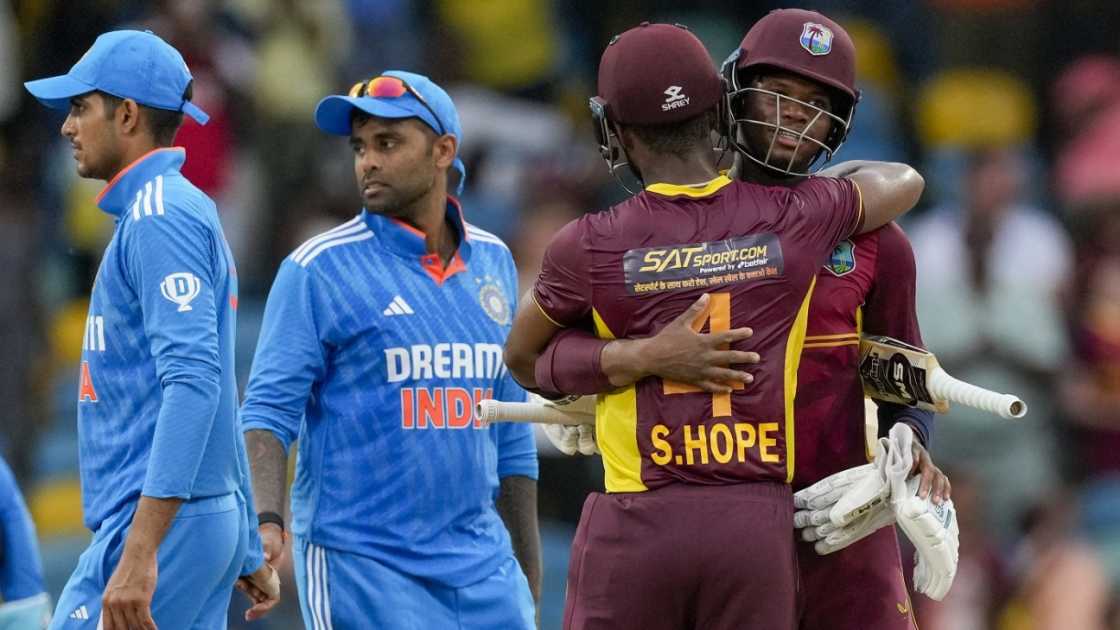
The rivalry between the India national cricket team and the West Indies cricket team is one of the most fascinating matchups in international cricket. Both teams have a rich cricketing history, legendary players, passionate supporters, and memorable performances across Test matches, One Day Internationals (ODIs), and Twenty20 Internationals (T20Is). From the West Indies’ dominance during the golden era of fast bowling to India’s rise as a global cricket powerhouse, their encounters have produced unforgettable moments for generations of fans.
The india national cricket team vs west indies cricket team matchup attracts attention because it combines contrasting playing styles, tactical battles, and individual brilliance. India has traditionally been associated with technically strong batters and a deep batting lineup, while the West Indies has earned a reputation for explosive stroke play, athletic fielding, and intimidating fast bowlers. In modern cricket, both sides continue to adapt to changing formats, emerging talent, and new strategies. Understanding their rivalry means looking beyond the final score to appreciate the history, players, statistics, and competitive spirit that make these contests special.
History of India vs West Indies Cricket
India and the West Indies began competing in Test cricket in 1948, establishing a rivalry that developed significantly over subsequent decades. The West Indies became one of the strongest teams in world cricket during the 1960s, 1970s, and 1980s. With outstanding batters and a formidable pace attack, the Caribbean side dominated many international opponents and established a reputation for fearless cricket.
India gradually strengthened its position through technically accomplished batters, talented spin bowlers, and a growing ability to compete overseas. Players such as Sunil Gavaskar, Kapil Dev, and later Sachin Tendulkar helped shape India’s cricketing identity. For the West Indies, legends including Sir Garfield Sobers, Viv Richards, Clive Lloyd, Malcolm Marshall, and Brian Lara contributed to an extraordinary legacy.
As the game evolved, the balance of competition changed across formats. India developed a powerful limited-overs structure, while West Indies players became particularly influential in T20 cricket through their aggressive batting and specialist bowling. The history of the india national cricket team vs west indies cricket team rivalry reflects the evolution of international cricket, from traditional five-day contests to fast-paced matches decided by a few deliveries.
Head-to-Head Rivalry Across Formats
India and the West Indies have faced each other in all three major international formats. Their overall head-to-head records differ according to the format, period, and matches included in a particular statistical database. Test cricket emphasizes endurance and technique, ODIs require balanced performances across a fixed number of overs, and T20Is reward adaptability and rapid scoring.
| Format | Main characteristics | Key factors influencing results |
|---|---|---|
| Test cricket | Multi-day competition | Technique, patience, bowling endurance |
| One Day Internationals | 50 overs per side | Partnerships, middle-over control, finishing |
| T20 Internationals | 20 overs per side | Power-hitting, variations, strike rotation |
| World Cup matches | High-pressure tournament cricket | Experience, execution, composure |
| Bilateral series | Multiple matches between two teams | Consistency, adaptation, squad depth |
A meaningful comparison should consider the number of matches played, victories, defeats, draws, ties, and no-results separately for each format. Historical dominance in Test cricket does not automatically translate into success in T20Is, where a single explosive innings can change the outcome.
For supporters following the india national cricket team vs west indies cricket team rivalry, the most useful statistics are those connected to the particular series or tournament being discussed. Match conditions, venue, team selection, and player availability can all influence the significance of a result.
Legendary Players Who Defined the Rivalry
Individual performances have played a major role in shaping India-West Indies cricket history. Sunil Gavaskar became famous for his exceptional technique against fast bowling, while Kapil Dev brought all-round excellence and leadership to Indian cricket. Sachin Tendulkar later represented a generation of Indian batters who could compete against the world’s strongest bowling attacks. In the modern era, Virat Kohli and Rohit Sharma have added their own memorable performances to the rivalry through consistency, attacking stroke play, and leadership.
The West Indies have produced equally influential cricketers. Sir Vivian Richards was renowned for his aggressive batting, Brian Lara for his extraordinary run-scoring ability, and Clive Lloyd for leading a dominant international side. Chris Gayle became a defining figure in limited-overs cricket, while players such as Kieron Pollard and Dwayne Bravo helped establish the Caribbean team’s reputation in T20 competitions. These players represent different eras, but their impact continues to influence how fans evaluate the rivalry.
Key Players to Remember
-
Sunil Gavaskar: Famous for his technical skill against fast bowling.
-
Kapil Dev: An influential all-rounder and India’s 1983 World Cup-winning captain.
-
Sachin Tendulkar: One of India’s most celebrated batters.
-
Brian Lara: A legendary West Indies batter known for monumental innings.
-
Viv Richards: An aggressive batter who helped define West Indies’ golden era.
-
Virat Kohli: Known for consistency, run chases, and competitive intensity.
-
Chris Gayle: A powerful batter whose hitting transformed T20 cricket.
The Importance of the 1983 World Cup Final
One of the most memorable chapters in the India national cricket team vs West Indies cricket team rivalry came during the 1983 Cricket World Cup final at Lord’s in England. West Indies entered the match as the established force in world cricket and had won the first two editions of the tournament. India, meanwhile, were attempting to establish themselves among the leading teams in international cricket.
India scored 183 runs before being dismissed. Although the total appeared modest, the Indian bowlers delivered an outstanding performance under pressure. West Indies were bowled out for 140, giving India a famous 43-run victory and their first Cricket World Cup title. The result changed the perception of Indian cricket and inspired future generations of players.
The final remains important because it demonstrated how discipline, teamwork, and belief could overcome a formidable opponent. It also became a turning point in India’s cricketing development, contributing to the growing popularity of the sport across the country. For many fans, this match is the defining moment in the history of the two teams.
Batting and Bowling Strategies
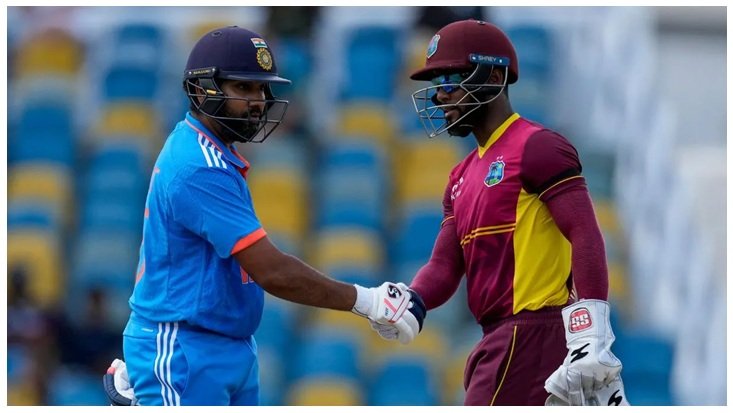
The tactical battle between India and West Indies changes according to the format, pitch conditions, and available players. In Test cricket, Indian batters often aim to build long partnerships and wear down the opposition’s bowling attack. West Indies can counter with pace, bounce, and aggressive bowling spells. On surfaces that assist spin, India’s bowling options may become particularly influential.
In ODI cricket, the middle overs are often decisive. Teams must rotate the strike, avoid unnecessary wickets, and preserve enough batting resources for the final overs. A strong finish can transform a competitive total into a challenging target. West Indies can use their power hitters to accelerate, while India often rely on a combination of technically accomplished batters and specialist finishers.
T20 cricket creates an even sharper tactical contest. Captains must manage bowling changes carefully, select matchups against specific batters, and decide when to attack or defend. Both sides need players capable of scoring quickly without losing control of the innings.
Important factors that can determine the result include:
-
Powerplay scoring and early wickets.
-
Partnerships during the middle overs.
-
Bowling variations at the death.
-
Fielding standards and boundary prevention.
-
Adaptation to pitch conditions and weather.
-
Effective use of all-rounders.
What Makes India vs West Indies Matches Exciting?
The rivalry attracts attention because both teams can produce match-changing performances. India frequently benefit from batting depth, disciplined bowling combinations, and a strong domestic cricket structure. West Indies bring a tradition of explosive batting, athletic fielding, and fast bowling that can trouble opponents when conditions are favourable.
Another attraction is the variety of possible match outcomes. A Test can turn through a long batting partnership, an ODI through a successful chase, and a T20I through a short burst of six-hitting. Fans therefore have different reasons to follow the contest, depending on their preferred format.
Team selection also adds interest. Experienced international players provide stability, while younger cricketers have opportunities to establish themselves. Emerging batters can become heroes with one important innings, and relatively inexperienced bowlers can change a match by taking wickets at critical moments. The combination of established reputations and new talent ensures that each series offers fresh storylines.
How to Read a Match Scorecard
A scorecard helps readers understand how a match developed instead of focusing only on the final result. The innings total shows the runs scored and wickets lost, while individual batting figures identify the leading contributors. Bowling figures reveal which players took wickets and how efficiently they restricted scoring.
| Scorecard detail | What it tells you |
|---|---|
| Total runs | The team’s overall scoring performance |
| Wickets lost | How frequently batters were dismissed |
| Overs faced | How quickly or slowly the innings progressed |
| Individual runs | Contributions from each batter |
| Bowling figures | Runs conceded and wickets taken |
| Extras | Runs awarded through wides, no-balls, and other extras |
| Target | Runs required by the chasing team |
| Result margin | The winning difference in runs or wickets |
When reviewing the india national cricket team vs west indies cricket team scorecard for a particular match, readers should also check the toss, venue, playing elevens, and innings sequence. These details help explain whether a team benefited from batting first, chased effectively, or recovered from an early setback.
It is important to distinguish between historical statistics and the scorecard of a specific fixture. Head-to-head totals cover multiple matches, whereas a scorecard records what happened in one game. Accurate reporting should use verified match figures rather than assuming that every meeting follows the same pattern.
Conclusion
The rivalry between India and West Indies represents decades of cricketing excellence, changing fortunes, and unforgettable sporting moments. From the Caribbean team’s dominance in earlier generations to India’s emergence as a leading international side, both teams have contributed significantly to cricket’s global appeal. The 1983 World Cup final remains a landmark encounter, while the achievements of players such as Gavaskar, Kapil Dev, Richards, Lara, Tendulkar, and Kohli continue to shape the rivalry’s legacy.
The india national cricket team vs west indies cricket team matchup remains compelling because every format brings different challenges and opportunities. Historical records provide context, legendary players offer inspiration, and emerging talent creates anticipation for future contests. Whether supporters follow Test cricket for its technical depth, ODIs for their balance, or T20Is for their explosive action, this matchup continues to deliver a rich cricketing story.
For readers researching this rivalry, the best approach is to combine historical context with verified scorecards, format-specific records, and individual performances. This provides a clearer understanding of how the teams have evolved and why their encounters remain important to cricket fans worldwide.

