
India vs New Zealand is one of the most interesting rivalries in international cricket, bringing together two teams known for their distinctive playing styles, talented players, and competitive spirit. India has traditionally relied on strong batting depth, quality spin bowling, and passionate support, while New Zealand has earned respect for its disciplined approach, intelligent tactics, and ability to perform under pressure. Whenever these teams meet, fans can expect an engaging contest in which individual performances and team strategies often determine the outcome.
The rivalry covers Test cricket, One Day Internationals (ODIs), and Twenty20 Internationals (T20Is). Each format creates different challenges for players and coaching staff. Test matches demand patience and endurance, ODIs require a balance between scoring quickly and preserving wickets, and T20Is reward innovation and aggressive execution. The history of India vs New Zealand includes memorable victories, dramatic finishes, important tournament encounters, and performances that have shaped the reputations of both teams.
History of India and New Zealand Cricket
India and New Zealand have competed against each other in international cricket for decades. Their encounters have developed into a rivalry respected by players and supporters around the world. Although India has often been associated with technically accomplished batters and a strong spin-bowling tradition, New Zealand has consistently demonstrated the value of teamwork, adaptability, and disciplined execution.
Over the years, both teams have experienced periods of dominance across different formats. India has produced generations of outstanding batters and bowlers, while New Zealand has developed several internationally recognised players capable of influencing major matches. Their contests have also demonstrated how conditions can affect results. Indian pitches frequently offer opportunities for spin bowlers, whereas New Zealand conditions can provide assistance to seamers through movement in the air and off the surface.
The rivalry has become particularly significant in ICC tournaments, where the pressure of knockout cricket makes every decision important. Performances in these matches often receive more attention than ordinary bilateral fixtures because a single result can determine whether a team advances or exits a competition.
India vs New Zealand Across Different Formats
The most exciting feature of India vs New Zealand is the way the contest changes according to the format. In Test cricket, teams must manage several sessions and adjust their tactics as the pitch changes. Batters need concentration, bowlers require patience, and captains must carefully manage field placements and bowling workloads.
In ODIs, the challenge is to build a competitive innings across 50 overs. Teams must establish partnerships, preserve wickets for the final overs, and select bowlers who can control scoring at different stages. The middle overs are especially important because a team must maintain momentum without losing too many wickets.
T20 cricket introduces a different level of intensity. Batters frequently attempt innovative shots, bowlers use variations to disrupt scoring, and captains make rapid tactical decisions. The powerplay, middle overs, and final overs each require a specific strategy.
| Format | Main Challenge | Important Factors |
|---|---|---|
| Test cricket | Sustaining performance over five days | Patience, technique, bowling endurance |
| One Day International | Balancing scoring and wickets | Partnerships, run rate, death bowling |
| T20 International | Maximising short periods of play | Powerplay scoring, variations, fielding |
| ICC knockout matches | Performing under exceptional pressure | Composure, adaptability, decision-making |
These differences explain why a team that performs exceptionally well in one format may encounter different challenges in another. Preparation must reflect the conditions, opposition, and demands of the competition.
Key Indian Players and Their Contributions
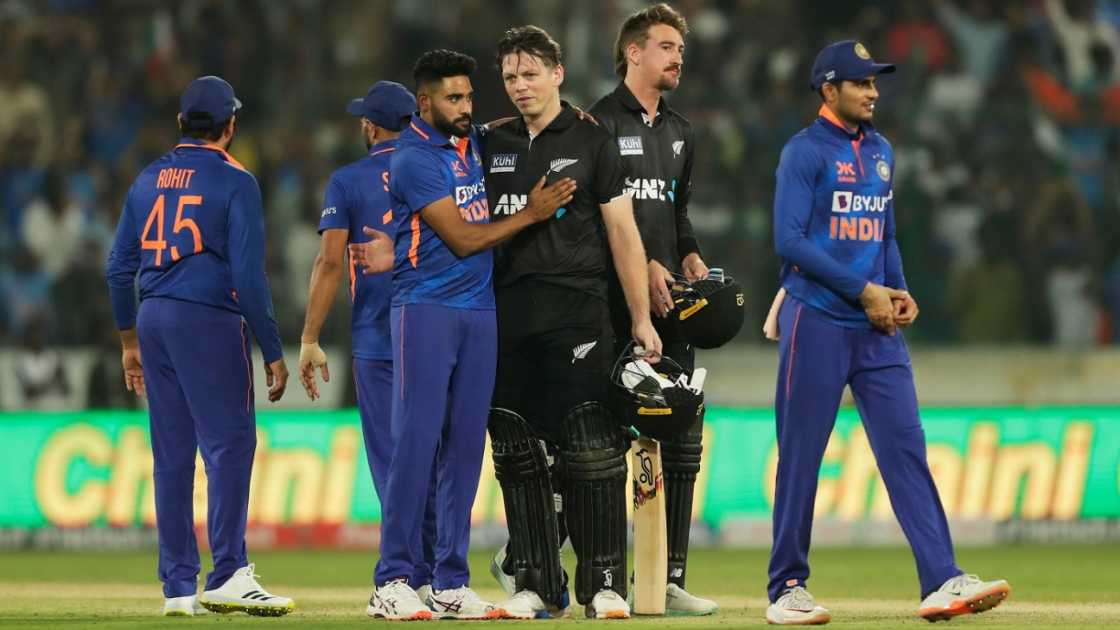
India’s strength has historically come from its ability to produce match-winning performers in every department. Batters who can build innings provide stability, while aggressive stroke-makers can change the direction of a match within a few overs. Experienced players also help younger teammates handle pressure and understand the tactical demands of international cricket.
Players such as Virat Kohli and Rohit Sharma have played important roles in India’s modern batting history. Kohli is widely recognised for his consistency, chase management, and ability to construct innings under pressure. Rohit Sharma has been known for his timing, powerful stroke play, and ability to accelerate scoring in limited-overs cricket. Their contributions have helped establish high expectations for India’s batting unit.
India’s bowling resources are equally important. Jasprit Bumrah has earned recognition for his accuracy, pace variations, and effectiveness in high-pressure situations. Quality spin bowlers can also influence matches, particularly on surfaces that provide grip and turn. The combination of pace, spin, and dependable fielding gives India several tactical options.
However, team selection and individual form can change between series. Supporters should consider the confirmed squad, current fitness, recent performances, and playing conditions before evaluating India’s likely strengths for a particular match.
New Zealand’s Strengths and Match-Winning Players
New Zealand has built a reputation for competitive cricket through preparation, teamwork, and the ability to perform effectively against stronger-ranked opponents. The team often approaches international matches with clear plans and a strong understanding of its resources. Rather than depending entirely on individual brilliance, New Zealand frequently benefits from contributions across the batting order and bowling attack.
Former captain Kane Williamson has been one of the team’s most influential batters. His composure, technique, and ability to build long innings have made him a significant figure in international cricket. Other notable players, including Devon Conway, have contributed through dependable batting and adaptability across formats. The availability and form of these players depend on the particular series and selected squad.
New Zealand’s bowling attack has also included effective seamers capable of exploiting movement and bounce. Bowlers such as Tim Southee and Trent Boult have played major roles in the team’s international success, although their participation depends on the format and current selection. In limited-overs cricket, disciplined bowling and sharp fielding can restrict India’s scoring opportunities.
One of New Zealand’s greatest strengths is its ability to remain competitive when circumstances become difficult. The team can benefit from building partnerships, maintaining pressure through consecutive overs, and taking advantage of small mistakes. These qualities make the contest challenging even when India appears to have momentum.
Memorable Encounters Between India and New Zealand
The history of India vs New Zealand contains several significant matches that remain important to cricket supporters. ICC tournament encounters have been particularly memorable because they have tested the technical ability, mental strength, and tactical discipline of both sides.
The 2019 ICC Cricket World Cup semi-final was a notable example. New Zealand defeated India in a rain-affected match completed over two days, reaching the final after defending a modest total through disciplined bowling and fielding. The result demonstrated how quickly a match can change when wickets fall at important moments.
Another defining contest was the inaugural ICC World Test Championship final in 2021. New Zealand defeated India to become the first World Test Championship winners. The match highlighted New Zealand’s ability to adapt to challenging conditions and perform consistently across the longer format.
These encounters illustrate why past results remain relevant when analysing the rivalry. They provide examples of successful strategies, pressure management, and the importance of partnerships. Nevertheless, historical results cannot guarantee future outcomes because team combinations, conditions, and player form continually evolve.
Pitch Conditions and Their Impact
Pitch conditions often influence the balance between India and New Zealand. Understanding the surface is essential when assessing team strategies, probable scores, and the relative effectiveness of different bowling styles.
In India, many grounds offer conditions that can assist spin bowlers as matches progress, particularly in longer formats. Batters who use their feet effectively and rotate the strike can reduce pressure against spin. Fast bowlers may also be important with the new ball and during the final overs of limited-overs matches.
New Zealand conditions can provide opportunities for seam bowling, especially when the surface offers bounce or the weather supports swing. Indian batters may need to adjust their footwork and shot selection to handle movement outside the off stump. New Zealand batters face a different challenge in India, where spin and slower surfaces can make aggressive scoring more difficult.
Important conditions to consider include:
- Pitch pace, bounce, and the amount of assistance offered to seamers or spinners.
- Weather conditions, including humidity, cloud cover, and the possibility of rain.
- Ground dimensions, which can influence boundary scoring and field placements.
- Dew during evening matches, which may affect the grip available to bowlers.
- The toss, which can influence decisions about batting or bowling first.
Conditions do not determine the result by themselves, but they help explain why teams may choose different combinations and tactics from one venue to another.
Tactical Battle: Batting, Bowling, and Fielding
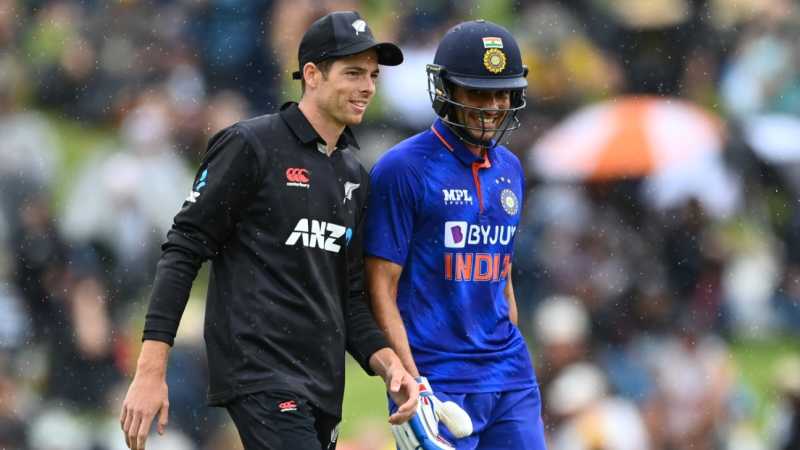
A successful performance requires more than a collection of talented players. Both teams must identify weaknesses in the opposition and adjust their plans throughout the match. India’s batting approach may focus on building partnerships before accelerating, while New Zealand may attempt to create pressure through disciplined lines, clever field placements, and consistent bowling.
During the powerplay in limited-overs cricket, the batting side must decide how aggressively to score without losing too many wickets. Bowlers seek early breakthroughs by using movement, variations, or changes in pace. The middle overs become a contest of strike rotation, boundary selection, and control over the run rate.
At the end of an innings, death bowling becomes crucial. Yorkers, slower deliveries, wide lines, and changes of pace can prevent batters from scoring freely. Batting sides, meanwhile, attempt to target specific bowlers and exploit gaps in the field.
Fielding can also make a decisive difference. A direct hit, a difficult catch, or the prevention of a boundary may change the momentum of a close match. Both India and New Zealand have produced excellent fielding performances, reinforcing the importance of teamwork in modern cricket.
How to Analyse an Upcoming Match
Fans interested in predicting a result should consider several factors rather than relying solely on reputation or historical head-to-head records. Recent form is important, but the quality of the opposition and the conditions in which performances occurred should also be evaluated.
The confirmed playing XI can reveal whether a team has selected additional pace, spin, batting depth, or all-round options. Player availability matters because an injury or an unexpected absence can change the balance of a team. In addition, recent performances against similar bowling attacks may offer useful clues about individual match-ups.
A practical checklist includes:
- Review recent results in the same format.
- Check the confirmed squads and playing XIs.
- Evaluate the pitch report and weather forecast.
- Compare batting depth and bowling options.
- Consider the performance of key players under pressure.
- Assess how effectively each team has fielded in recent matches.
This method produces a more balanced assessment than choosing a winner based on popularity. Cricket remains unpredictable, and a strong analysis should recognise uncertainty instead of presenting any outcome as guaranteed.
India vs New Zealand: Comparison at a Glance
| Factor | India | New Zealand |
|---|---|---|
| Traditional strength | Batting depth and spin options | Teamwork and disciplined execution |
| Batting approach | Can combine technical stability with aggressive scoring | Often values partnerships and controlled innings |
| Bowling resources | Variety across pace and spin | Historically strong seam-bowling options |
| Key consideration overseas | Adapting to movement and bounce | Handling spin and slower pitches |
| Important success factor | Converting individual performances into team results | Maintaining pressure and capitalising on opportunities |
This comparison describes broad historical tendencies rather than fixed rules. Both teams have evolved considerably, and modern cricket requires flexibility across every department. The strongest side on a particular day is usually the one that adapts more effectively to the conditions and executes its plans with fewer mistakes.
Conclusion
India vs New Zealand remains a compelling international cricket rivalry because it combines talented individuals, contrasting playing conditions, tactical depth, and memorable tournament history. India’s batting strength and range of bowling options provide significant opportunities, while New Zealand’s disciplined approach and ability to handle pressure make it a formidable opponent. Their contests demonstrate that preparation, partnerships, bowling accuracy, and fielding can matter as much as individual reputation.
For fans analysing an upcoming encounter, the most useful approach is to consider the format, venue, confirmed squad, pitch report, and recent performances together. Historic matches provide valuable lessons, but every new contest creates different challenges. Whether the teams meet in a Test series, an ODI, a T20I, or an ICC tournament, this rivalry continues to offer cricket supporters a combination of skill, strategy, and uncertainty.

