
The upcoming 2026 winter olympics ice hockey tournament is expected to be one of the most competitive and globally followed events in winter sports history. With top hockey nations preparing elite squads, fans are anticipating a high-intensity battle for Olympic gold. The tournament will bring together NHL stars, European professionals, and rising young talent under one international stage, creating a rare blend of skill and national pride.
This edition of the Olympics is especially significant because the global hockey landscape has evolved rapidly over the past few years. Teams have become more balanced, and the gap between traditional powerhouses and emerging nations has narrowed. As a result, the 2026 winter olympics ice hockey competition is expected to feature unpredictable outcomes, thrilling upsets, and memorable performances.
With advanced training methods, improved analytics, and stronger international cooperation, every participating nation is aiming for peak performance. Fans can expect fast-paced gameplay, strategic coaching decisions, and intense rivalries that define Olympic hockey history.
Tournament Format and Structure
The structure of the 2026 winter olympics ice hockey event follows a well-organized international format designed to ensure fairness and excitement. The competition begins with a group stage, where teams are divided into pools based on world rankings and qualification results. Each team plays round-robin matches within its group.
Points are awarded for wins, overtime wins, and shootout victories, making every match crucial. Even a single loss can significantly impact qualification chances, which adds pressure and excitement from the opening game.
After the group stage, the top teams advance to the knockout rounds, which include quarterfinals, semifinals, and the gold medal match. The knockout stage is single-elimination, meaning there is no second chance—one bad game can end a medal dream.
Key features of the format include:
- Balanced group distribution based on rankings
- Overtime and shootout rules for decisive results
- Single-elimination knockout stage
- Placement matches for ranking positions
This structure ensures that the 2026 winter olympics ice hockey tournament maintains high stakes from start to finish, keeping fans engaged throughout.
Qualified Teams and Top Contenders
The 2026 winter olympics ice hockey competition will feature a mix of traditional powerhouses and rising challengers. Countries like Canada, USA, Sweden, Finland, and Czechia are expected to be among the strongest contenders due to their deep talent pools and international experience.
Canada remains a dominant force with a balanced roster of elite forwards and strong defensive systems. The United States continues to rely on speed, youth development, and NHL depth. Meanwhile, European teams like Sweden and Finland bring tactical discipline and strong goaltending, which often becomes decisive in tight Olympic games.
Dark horse teams such as Switzerland, Germany, and Slovakia may also surprise stronger opponents with disciplined play and structured defense.
Key contenders:
- Canada: Offensive depth and championship experience
- USA: Fast-paced and physically strong lineup
- Sweden: Tactical structure and defensive strength
- Finland: Elite goaltending and teamwork
- Czechia: Skilled playmakers and balanced roster
The competitive balance ensures that the 2026 winter olympics ice hockey tournament will not be predictable, making every matchup crucial.
Key Players and Tournament Predictions
Star players are expected to play a major role in shaping the outcome of the 2026 winter olympics ice hockey competition. Many NHL stars are likely to represent their countries, bringing elite-level experience and leadership.
For Canada, elite forwards and two-way defensemen will be critical in breaking through tight defensive systems. The United States will depend on its young superstars who combine speed and scoring ability. European nations will rely heavily on experienced captains and world-class goaltenders.
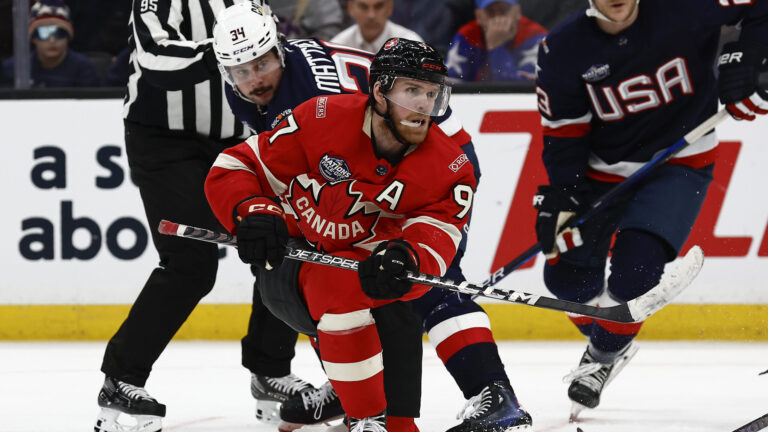
Prediction trends suggest that goaltending will be one of the most important factors. Olympic tournaments often feature low-scoring elimination games, where a single save can determine advancement.
Key performance factors:
- Goaltending consistency under pressure
- Power-play efficiency
- Defensive structure in knockout rounds
- Discipline and penalty control
- Depth scoring beyond top lines
Analysts believe the 2026 winter olympics ice hockey gold medal race will likely come down to Canada, USA, Sweden, and Finland, though surprises are always possible in Olympic competition.
Venue and Schedule Overview
The venues selected for the 2026 winter olympics ice hockey tournament are designed to meet international standards with high-capacity arenas, advanced ice technology, and fan-friendly infrastructure. The arenas will host multiple games daily during the group stage, followed by high-stakes knockout matches in premium venues.
The schedule is structured to allow rest between games while maintaining tournament intensity. Group stage matches will be spread over several days, followed by elimination rounds with increasing global attention.
General schedule breakdown:
- Early group stage: Opening round-robin matches
- Mid group stage: Qualification-deciding games
- Quarterfinals: Top 8 teams compete
- Semifinals: Medal contenders determined
- Final: Gold medal match
Time zone planning ensures global broadcast accessibility, allowing fans worldwide to follow the 2026 winter olympics ice hockey action live.
Group Stage Breakdown and Structure
Below is a simplified illustration of how groups may be structured in the 2026 winter olympics ice hockey tournament based on international rankings and seeding principles.
| Group | Top Seed | Strong Contender | Dark Horse | Emerging Team |
|---|---|---|---|---|
| A | Canada | Slovakia | Latvia | Italy |
| B | USA | Germany | Switzerland | Denmark |
| C | Sweden | Czechia | Norway | France |
| D | Finland | Russia* (if eligible) | Austria | Japan |
This structure ensures balanced competition and minimizes early-stage mismatches. Every group in the 2026 winter olympics ice hockey event is designed to produce competitive games and potential surprises, especially from mid-ranked teams capable of upsetting top seeds.
Group stage performance is critical, as it determines knockout positioning and potential matchups against other elite nations.
Global Impact and Fan Excitement
The 2026 winter olympics ice hockey tournament is expected to generate massive global interest, not just in traditional hockey markets but also in emerging regions. The Olympic platform brings unique visibility, allowing new fans to experience the sport at its highest level.
Broadcast networks, digital platforms, and fan communities will play a major role in spreading excitement. Social media discussions, highlights, and live reactions will amplify the tournament’s reach far beyond the arenas.
Several factors contribute to global excitement:
- Return of NHL-level Olympic participation
- High-profile national rivalries
- Dramatic knockout stage format
- Star player appearances
- Historic medal implications
The combination of national pride and elite competition ensures that the 2026 winter olympics ice hockey event will be one of the most watched winter sports tournaments worldwide.
Conclusion
The 2026 winter olympics ice hockey tournament promises to deliver an unforgettable blend of skill, strategy, and international competition. With top teams from around the world preparing for battle, the stakes could not be higher. Every pass, save, and goal will carry the weight of national pride and Olympic history. From the group stages to the final showdown, fans can expect dramatic twists, standout performances, and possibly unexpected champions. Whether it is a traditional powerhouse dominating or a surprise contender rising, the tournament is set to become a defining moment in Olympic hockey history.
Read more: Google Doodle Baseball Game: Fun, Gameplay & Complete Guide