
The javelin throw is one of the most exciting and technically demanding events in track and field athletics. It combines speed, strength, balance, flexibility, and precision to launch a spear-like implement as far as possible. Unlike many other athletic events that rely primarily on raw power, this sport requires athletes to master a combination of perfect timing, body coordination, and throwing mechanics. Every successful throw depends on a smooth run-up, an explosive release, and a controlled follow-through.
Today, the javelin throw has become one of the most popular field events in international athletics, attracting millions of viewers during major competitions such as the Olympics, World Championships, and continental games. With athletes constantly breaking records and improving techniques, the sport continues to evolve through better coaching methods and scientific training. Whether you are a beginner learning the basics or an athletics fan wanting to understand the sport better, this guide covers everything from history and rules to training methods and common mistakes.
History of Javelin Throw
The origins of the javelin date back thousands of years when early humans used spears for hunting and survival. Ancient civilizations later transformed spear throwing into a competitive activity, especially in Greece, where it became part of the ancient Olympic Games. The event tested both distance and accuracy, making it an important athletic skill.
Modern athletics introduced the javelin throw as an official competition during the late nineteenth century. Men’s javelin became part of the Olympic Games in 1908, while women’s competition was introduced in 1932. Since then, the event has witnessed significant changes in equipment design and competition rules to improve safety and maintain fairness. Today’s athletes use specially designed javelins that meet strict international standards, ensuring consistency in every competition.
Rules of Javelin Throw
Understanding the rules helps athletes compete fairly and safely. The competition is governed by international athletics regulations that specify equipment dimensions, throwing techniques, and measurement procedures.
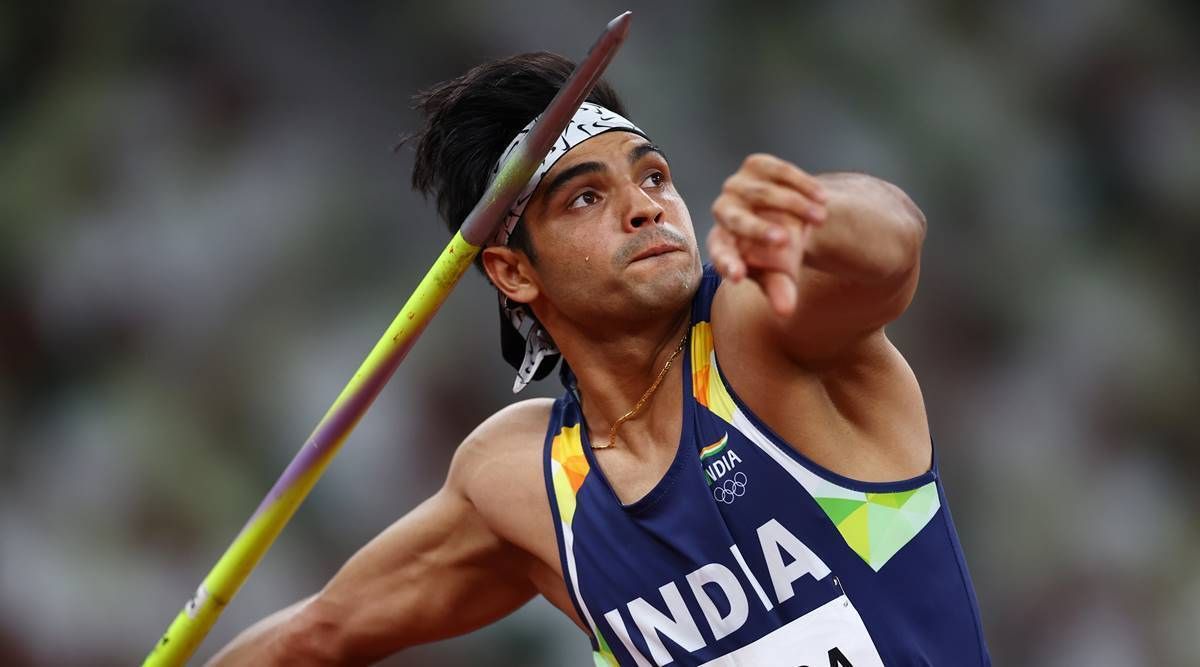
Some of the important rules include:
- The javelin must be held by its grip.
- Athletes throw from a designated runway.
- The throw must be made over the shoulder.
- Competitors cannot step beyond the foul line.
- The javelin must land tip-first to count as a valid throw.
- The longest legal throw determines the winner.
Officials carefully monitor every attempt to ensure athletes follow all regulations. Even a powerful throw becomes invalid if any rule is violated during the attempt.
Javelin Specifications
Different competitions use separate javelin weights for men and women. These specifications ensure fairness while matching the physical demands of each category.
| Category | Weight | Length |
|---|---|---|
| Men | 800 grams | 2.6–2.7 meters |
| Women | 600 grams | 2.2–2.3 meters |
| Youth Boys | 700 grams | Varies |
| Youth Girls | 500 grams | Varies |
Manufacturers carefully design each javelin to maintain proper balance, aerodynamic performance, and durability during competitions.
Basic Technique of Javelin Throw
Mastering technique is far more important than relying only on strength. Every phase of the throw contributes to achieving maximum distance.
Grip
Athletes usually choose one of three grips:
- American Grip
- Finnish Grip
- Fork Grip
The grip should provide comfort while allowing complete control throughout the throwing motion.
Run-Up
The approach begins with controlled acceleration. Athletes gradually increase speed while keeping the javelin stable above shoulder level. Maintaining rhythm during the run-up is essential because excessive speed often reduces throwing accuracy.
Withdrawal
During this phase, the athlete draws the javelin backward while continuing forward movement. Proper body alignment creates the tension needed for an explosive release later in the throw.
Delivery
This is the most powerful phase. The legs, hips, torso, shoulders, and throwing arm work together in a coordinated sequence to generate maximum force. A smooth release angle helps the javelin travel farther.
Follow-Through
After releasing the javelin, athletes continue moving forward to reduce injury risk while maintaining balance. Proper follow-through also prevents stepping beyond the foul line.
Training for Better Performance
Successful athletes dedicate years to developing strength, speed, flexibility, and technical precision. Training programs combine multiple elements that improve overall performance.
Strength training focuses on developing explosive power in the legs, core, shoulders, and upper body. Exercises such as squats, lunges, deadlifts, overhead presses, and medicine ball throws build the foundation needed for longer throws.
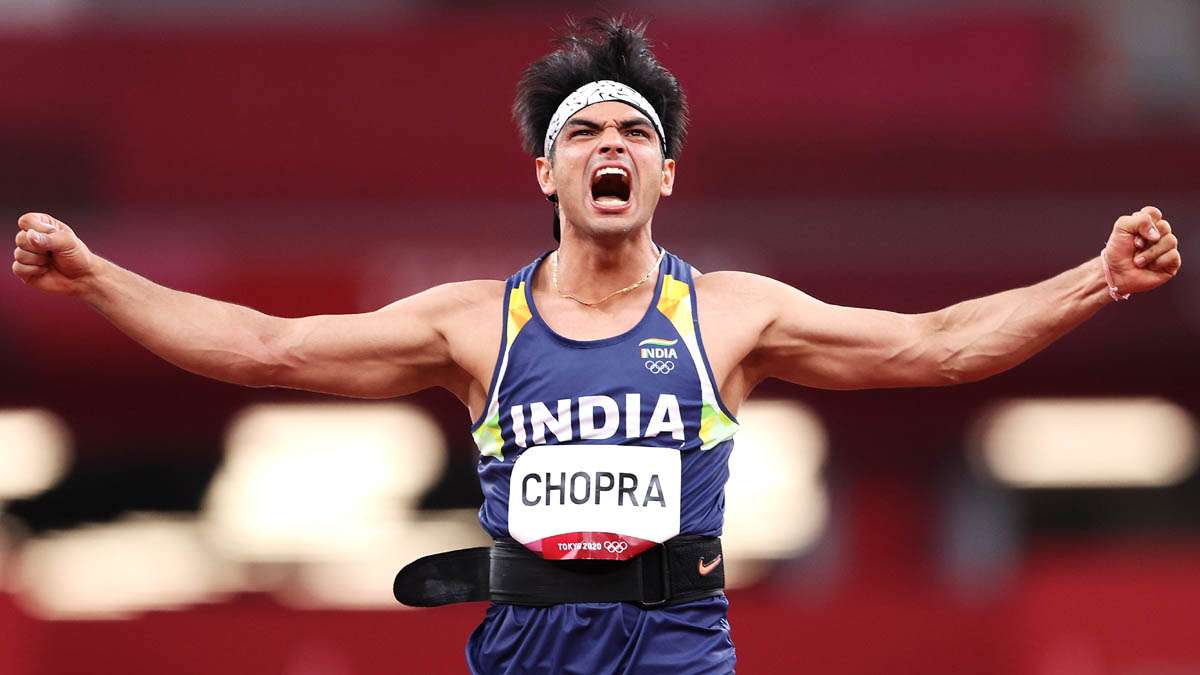
Speed training improves runway acceleration. Sprint drills, bounding exercises, and agility workouts help athletes generate greater momentum before releasing the javelin.
Flexibility is equally important because greater shoulder and hip mobility allows a larger range of motion. Stretching routines and mobility exercises reduce injury risks while improving throwing mechanics.
Technical practice remains the most valuable part of training. Coaches carefully analyze each movement, correcting body position, release angle, foot placement, and timing. Consistent repetition gradually builds muscle memory and confidence.
Essential Equipment
Apart from the javelin itself, athletes use specialized equipment to improve safety and performance during practice and competition.
Common equipment includes:
- Competition javelins
- Training javelins
- Throwing shoes
- Athletic clothing
- Measuring tape
- Cones for drills
- Resistance bands
- Medicine balls
Using high-quality equipment allows athletes to train consistently while reducing unnecessary wear and tear.
Common Mistakes Beginners Make
Learning proper technique takes patience. Many beginners struggle because they focus only on throwing hard instead of throwing correctly.
Some common mistakes include:
- Running too fast before the release.
- Holding the javelin incorrectly.
- Releasing at the wrong angle.
- Poor body coordination.
- Weak follow-through.
- Crossing the foul line.
- Ignoring flexibility training.
Correcting these issues early helps athletes improve faster and prevents unnecessary injuries.
Benefits of Javelin Throw
Participating in the javelin throw offers numerous physical and mental benefits beyond competition.
Physically, athletes develop explosive strength, speed, endurance, flexibility, coordination, and balance. The event strengthens multiple muscle groups while improving cardiovascular fitness during training sessions.
Mentally, the sport builds patience, concentration, confidence, discipline, and resilience. Athletes learn to analyze performances, adjust techniques, and remain calm under competitive pressure. These qualities often benefit other sports as well as everyday life.
Additionally, young athletes develop teamwork by working closely with coaches and training partners despite competing individually.
Major International Competitions
The world’s best throwers compete in prestigious athletics championships throughout the year. These competitions inspire future generations while showcasing remarkable performances.
Important competitions include:
- Olympic Games
- World Athletics Championships
- Diamond League
- Continental Championships
- Commonwealth Games
- Asian Games
- National Athletics Championships
Winning medals at these events requires years of disciplined training, exceptional technique, and mental toughness.
How Technology Has Improved the Sport
Modern technology has transformed athlete preparation. High-speed video analysis allows coaches to study every movement frame by frame, identifying even the smallest technical errors. Motion sensors and biomechanical analysis provide detailed information about release speed, body angles, and force production.
Strength monitoring systems help trainers design personalized workout plans that maximize performance while reducing fatigue. Sports science has also improved recovery through better nutrition, physiotherapy, sleep management, and injury prevention strategies.
Equipment manufacturers continuously refine javelin design using advanced materials that improve durability and aerodynamic consistency while remaining within official regulations. These innovations ensure athletes compete under fair and standardized conditions.
Tips to Improve Your Throw
Improvement comes from consistent practice rather than shortcuts. Athletes should focus on mastering the basics before attempting advanced techniques.
Helpful tips include:
- Practice throwing drills regularly.
- Build total-body strength.
- Improve shoulder mobility.
- Develop explosive leg power.
- Maintain proper running rhythm.
- Focus on technique over distance.
- Listen carefully to coaching feedback.
- Warm up thoroughly before training.
- Recover properly after intense sessions.
Small improvements in technique often produce larger gains than increasing physical strength alone.
Future of Javelin Throw
Athletics continues to evolve through improved coaching, sports science, and athlete development programs. Young talent from many countries is entering international competition, making the sport increasingly competitive. Advances in biomechanics, nutrition, injury prevention, and performance analysis are helping athletes throw farther while maintaining long careers.
Schools, universities, and athletics academies are also introducing better grassroots programs that identify talented athletes at an early age. With greater investment in coaching and infrastructure, the future of the javelin throw looks brighter than ever. Fans can expect more exciting competitions, rising stars, and record-breaking performances in the coming years.
Conclusion
The javelin throw remains one of athletics’ most fascinating events because it perfectly combines speed, power, technique, and precision. Success depends not only on physical strength but also on timing, coordination, discipline, and years of dedicated practice. From its ancient origins to its place on the modern Olympic stage, the sport has continually evolved while preserving its competitive spirit. Whether you are an aspiring athlete, a coach, or simply a sports enthusiast, understanding the history, rules, techniques, and training methods provides a deeper appreciation for this remarkable event. By focusing on proper fundamentals, maintaining consistent practice, and embracing scientific training methods, anyone can steadily improve their performance and enjoy the challenge that makes the javelin throw one of the most respected disciplines in track and field athletics.