
The rivalry between India and Australia is one of the most exciting matchups in international cricket. When these two teams meet in the shortest format, every over can change the direction of the game. India bring their aggressive batting, varied bowling attack and strong spin options, while Australia are known for their fearless approach, powerful hitters and ability to perform under pressure. These qualities make the contest appealing to cricket fans who enjoy fast scoring, tactical battles and dramatic finishes.
The excitement surrounding t20 ind vs aus goes beyond the final score. Supporters follow team combinations, player form, pitch conditions, toss decisions and individual performances to understand which side has the advantage. A batter who scores quickly during the powerplay can establish early control, while a bowler who takes two wickets in the middle overs can completely change the momentum. Because T20 cricket offers limited time for recovery, even a short period of poor execution can prove costly.
For the latest match analysis, it is important to distinguish confirmed information from predictions. Playing elevens, fixtures, injury updates and tournament standings can change, so these details should be verified for the particular match being discussed. Nevertheless, the strengths of both teams and the tactical principles that influence their performances provide a useful way to understand this highly competitive cricket rivalry.
Understanding the India vs Australia T20 Rivalry
India and Australia have built a reputation for producing competitive international cricket across Test matches, one-day internationals and T20 internationals. Their shortest-format encounters often combine technical batting with aggressive stroke play, making them unpredictable until the final overs. India have frequently benefited from their depth in batting and their ability to use different bowling styles, while Australia have demonstrated how power hitting and disciplined pace bowling can put opponents under pressure.
A major reason this rivalry remains interesting is that neither team depends on only one method of winning. India can build an innings through calculated partnerships before accelerating, or attack from the beginning when conditions are favourable. Australia can respond with aggressive opening batters, flexible middle-order options and bowlers capable of delivering pace variations. The outcome often depends on which team adapts more effectively to the conditions rather than which side appears stronger on paper.
Another important factor is the psychological pressure associated with playing a high-profile opponent. Players must make quick decisions while dealing with expectations from supporters and the importance of the occasion. A successful chase can demonstrate composure, while defending a total requires communication, tactical awareness and accurate execution. These elements help explain why meetings between India and Australia frequently attract attention from cricket followers.
Key Players Who Can Influence the Match
India’s Batting Strength
India’s batting approach in T20 cricket is built around finding the right balance between rapid scoring and maintaining wickets. Aggressive opening batters can exploit fielding restrictions during the first six overs, when only two fielders are permitted outside the inner circle. If the openers take advantage of this phase, India can establish a strong platform for the middle order. However, attacking every delivery is not always the best strategy. Recognising slower balls, choosing the right deliveries to hit and rotating the strike against accurate bowling are equally important.
The middle order plays a crucial role when early wickets fall or the required run rate increases. Players who can hit boundaries without losing their shape provide flexibility to the team. An experienced batter might steady the innings after two quick dismissals, while an aggressive finisher can target the final overs. In a close encounter, a partnership of 40 or 50 runs can be more valuable than an individual cameo because it keeps the scoreboard moving and prevents the bowling side from controlling the game.
Australia’s Power-Hitting Approach
Australia have traditionally placed considerable emphasis on attacking batting and the ability to score boundaries against both pace and spin. Their batters can use the depth of the crease, strong wrist work and powerful shots down the ground to put pressure on fielding captains. When Australian openers begin confidently, bowlers may be forced to change their lengths or move fielders away from preferred scoring areas. These adjustments can create opportunities elsewhere on the field.
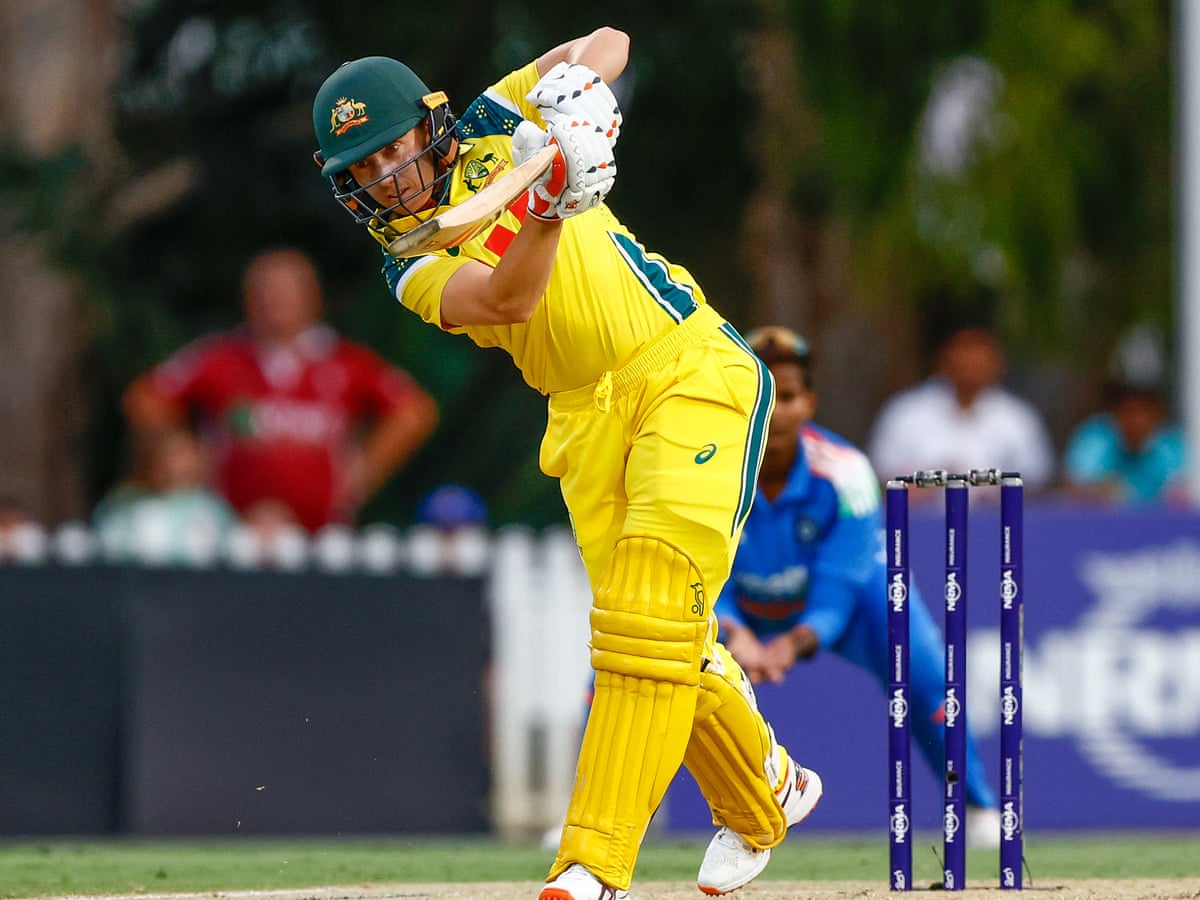
Nevertheless, power hitting requires discipline. A batter who attempts to clear the boundary against every delivery can expose weaknesses against slower balls, wide yorkers and well-disguised spin. Australia’s success depends on how effectively their players identify scoring opportunities while preserving wickets for the closing overs. The middle order must also be prepared to rebuild after a difficult powerplay instead of relying entirely on last-minute acceleration.
Bowling Matchups and Individual Battles
The bowling contest can be just as important as the batting performances. Indian bowlers can combine pace, swing, spin and changes of speed to challenge Australian batters. Australian bowlers, meanwhile, can use bounce, seam movement, cutters and accurate yorkers to limit India’s scoring options. The effectiveness of these tactics depends on the pitch, the dimensions of the ground and the individual batter facing the delivery.
In t20 ind vs aus, supporters should pay particular attention to the overs immediately after the powerplay. This period often determines whether a batting side can continue scoring freely or must temporarily prioritise rebuilding. A spinner who concedes only a handful of runs while taking a wicket can create enormous pressure, whereas a fast bowler who loses control may allow the batting side to recover quickly. These small differences often have a significant impact on the result.
Important Match Conditions and Tactical Factors
Pitch, Weather and Ground Dimensions
The playing surface can influence the strategy adopted by both teams. A flat pitch with consistent bounce generally favours aggressive stroke play, while a slower surface may reward batters who use placement and timing rather than relying exclusively on power. If the ball grips the pitch, spinners and slower bowlers can become more effective. On a ground with short boundaries, even a mistimed shot may travel far enough for a six, but larger boundaries can reward clever running and shots into gaps.
Weather conditions also deserve attention. Humidity, cloud cover and evening dew can affect the grip available to bowlers and the way the ball behaves. Dew sometimes makes it harder for spinners to control the ball, particularly in the second innings. However, its impact varies between venues and matches, so it should not be treated as a guarantee that the team batting second will win.
The Importance of the Toss
The toss can influence the initial plan, but it does not decide the match on its own. A captain might prefer to chase when conditions are expected to become easier for batting later, particularly if dew is likely. In other circumstances, batting first can be attractive because it allows the team to set a target and put scoreboard pressure on the opposition.
A sensible decision depends on the pitch report, the weather forecast, the strength of the bowling attack and the team’s comfort with either setting or chasing a total. For example, a team confident in its death bowling may be happy to defend a competitive score, while a side with an exceptionally deep batting lineup might prefer to chase. Understanding these details offers a more balanced perspective than assuming the toss winner automatically has the advantage.
India vs Australia T20 Match Overview
The following table summarises the main tactical areas that viewers can evaluate when analysing a contest between these teams. It is a general comparison rather than a confirmed match-day lineup or a prediction of the result.
| Match factor | India’s potential strength | Australia’s potential strength |
|---|---|---|
| Powerplay batting | Fast scoring and calculated aggression | Strong boundary hitting |
| Middle overs | Spin options and strike rotation | Flexible batting and attacking intent |
| Pace bowling | Variations and changes of speed | Bounce and disciplined hard lengths |
| Death overs | Yorkers, cutters and specialist options | Pace variations and wide yorkers |
| Chasing pressure | Batting depth and adaptable partnerships | Aggressive finishing and composure |
| Fielding | Athletic ground fielding and catching | Quick movement and strong throwing |
These comparisons are broad observations, not fixed rules. The actual advantage depends on the players selected, their recent performances and the conditions on the day. A team with an impressive reputation can struggle if its bowlers miss their lengths or its batters lose wickets in quick succession.
How to Analyse the Match Before It Begins
A useful match preview should consider more than star players and past results. Recent form, role clarity, fitness and team balance can all affect performance. A batter who has scored heavily in domestic competitions may be in excellent touch, but international bowling presents different challenges. Similarly, a bowler with impressive career statistics might need time to adapt to a particular surface. Looking at recent performances alongside established ability provides a clearer picture of each team’s preparation.
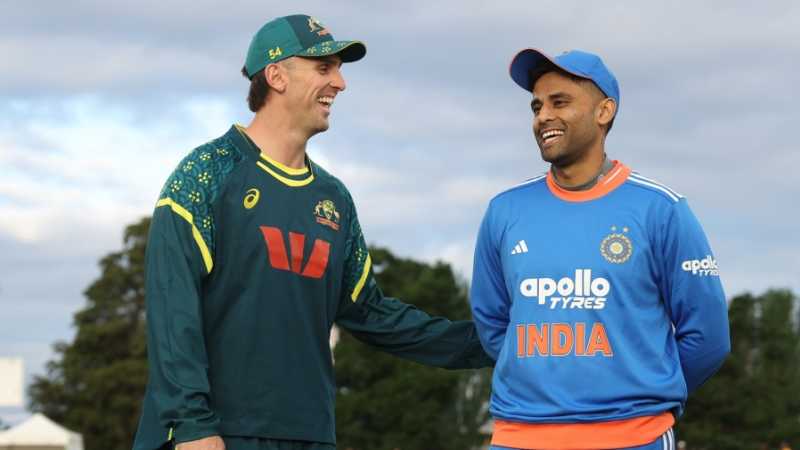
For anyone following t20 ind vs aus, these are the most useful factors to check before forming an opinion:
-
Confirmed playing elevens and any injury-related changes.
-
Recent batting and bowling performances in the T20 format.
-
Pitch behaviour, boundary dimensions and expected dew.
-
Each team’s record defending totals and chasing targets.
These details help viewers understand why a team might select an additional spinner, include another pace option or promote an aggressive batter in the order. They also reduce the risk of relying on outdated team news or assumptions about players who may not be available.
Powerplay Strategy and Middle-Over Control
The first six overs provide an opportunity to score quickly because of fielding restrictions. Teams often aim to make the most of this phase without sacrificing too many wickets. If the opening pair finds boundaries early, the captain of the bowling side may have to reconsider field placements and bowling changes. On the other hand, early dismissals can force the batting team to adopt a more cautious approach and rebuild its innings.
The middle overs require a different type of decision-making. Batters must continue scoring while identifying which bowlers they can attack safely. Singles and twos become especially valuable when boundaries are difficult to find. Bowling teams try to create pressure through tight lines, smart field placements and variations in pace. In a competitive T20 match, maintaining a steady scoring rate during this period can be just as important as a fast start.
Death Overs and the Final Result
The last four or five overs frequently produce the most dramatic moments. Batters look for opportunities to clear the boundary, while bowlers attempt to restrict scoring with yorkers, slower deliveries and wide lines. A successful finishing strategy requires anticipation and control. Batters must recognise which deliveries they can attack, while bowlers need to avoid predictable patterns that allow opponents to prepare their shots.
In t20 ind vs aus, the death overs can reveal which team handles pressure more effectively. Imagine India needing 48 runs from the final four overs. A well-established partnership may make the target achievable, but two quick wickets could dramatically change the situation. Australia would face the same challenge if chasing a similar target. Such scenarios demonstrate why cricket matches cannot be judged solely by the score at the halfway stage.
Fielding is equally important during this period. A direct hit, a boundary-saving dive or a difficult catch can change the result of a close contest. Conversely, a dropped catch or an unnecessary extra run can give the batting side a valuable advantage. In a format where the margins are often narrow, disciplined fielding can be the difference between winning and losing.
What Fans Should Expect From Future Encounters
Future matches between India and Australia will continue to test the adaptability of both sides. Changes in player availability, emerging talent and evolving T20 strategies can make each encounter different from the previous one. Young batters may bring new scoring options, while bowlers who develop reliable variations can become particularly valuable in high-pressure situations. Team management must continually assess whether its combination suits the opposition and the conditions.
The wider international calendar also matters when assessing the timing of a potential matchup. As of October 9, 2026, India’s announced 2026–27 home season includes a five-match Test series against Australia beginning on January 21, 2027. That announced series is a Test contest, not a T20 international, so readers should check the specific fixture schedule before assuming that an India-Australia T20 match is imminent.
Conclusion
India versus Australia remains an engaging contest because both teams possess the skills to change a match in a short period. India’s batting depth, range of bowling options and ability to adapt can create significant challenges for Australia. Australia’s power hitting, competitive mindset and pace-bowling resources can be equally difficult to handle. The final result depends on execution, conditions and the ability to respond when the pressure increases. For readers researching t20 ind vs aus, the most valuable approach is to examine the complete contest rather than focus on one player or a predicted score.

