
The IND vs AUS cricket rivalry has become one of the most closely followed contests in international cricket. Whenever India and Australia meet, the match carries significance beyond the ordinary battle for runs and wickets. Both teams have developed strong cricketing cultures, deep talent pools and a reputation for performing under pressure. Their encounters frequently produce tactical battles, individual brilliance and dramatic changes in momentum, making them particularly appealing to fans across different formats.
The rivalry has also evolved significantly over the years. Earlier contests were often defined by aggressive Test cricket and intense individual battles, while modern meetings have expanded into a multi-format competition involving Tests, ODIs and T20 internationals. The emergence of younger players has added another dimension, with both nations continually developing cricketers capable of handling international pressure. At the same time, established stars continue to influence important matches through experience and leadership.
As of October 2026, the rivalry remains active across different levels of the game. India A and Australia A are currently involved in a one-day series, while both senior teams are preparing for their respective international commitments. The latest developments show that the competition is not limited to senior international fixtures; A-team and developmental matches are increasingly important for identifying the next generation of players who could eventually shape major India-Australia contests.
Why the IND vs AUS Rivalry Is So Important
The importance of the IND vs AUS contest comes from the quality and depth of the two cricket systems. India possesses one of the world’s largest cricket ecosystems, producing technically skilled batters, versatile all-rounders and increasingly sophisticated fast bowlers. Australia, meanwhile, has a long-standing tradition of developing physically strong, competitive and adaptable cricketers. When these strengths meet, the result is usually a contest where small tactical decisions can have a major impact.
Another reason the rivalry attracts attention is the contrasting approaches of the two teams. Indian cricket has traditionally placed enormous emphasis on batting depth and spin bowling, although the country’s pace resources have become increasingly impressive. Australia has historically been associated with fast bowling, attacking batting and aggressive field settings. Modern cricket has blurred some of these distinctions, but the underlying competitive personalities remain visible whenever the sides meet.
The rivalry is also important because both countries regularly compete for major international honours. A victory against a strong opponent can provide confidence before a major tournament or series, while a defeat can expose weaknesses that selectors and coaches need to address. This makes every significant meeting useful not only for the result itself but also for understanding where each side stands within the broader international landscape.
Recent Competitive Picture
Recent meetings have demonstrated how quickly the balance can change between India and Australia. During the 2025 tour of Australia, India produced strong results in the white-ball portion of the trip, including a T20I series victory and a competitive ODI campaign. India entered the 2026 ODI series after taking a 4-2 lead in the broader multi-format contest, highlighting the country’s improved ability to challenge Australia across formats.
The recent history also shows that neither team can afford complacency. Australia remains particularly dangerous when playing pressure cricket, while India has increasingly demonstrated the ability to respond to difficult situations with both batting depth and bowling variety. Their recent head-to-head results have remained relatively balanced, reinforcing the idea that individual form, conditions and tactical execution often matter more than historical reputation.
At the developmental level, the competition is equally interesting. India A and Australia A have recently completed a two-match unofficial Test series, which India won 1-0 after the second match ended in a draw. The teams have now moved into a three-match one-day series, with Australia A winning the opening match by 125 runs. These fixtures provide an important platform for emerging players to experience conditions and opponents similar to senior international cricket.
Key Differences Between the Two Teams
One of the most interesting aspects of the rivalry is the way both teams build their squads. India can draw on a massive domestic structure, allowing selectors to monitor a wide range of players across different competitions. This depth means that injuries or loss of form do not necessarily create an immediate crisis. Young batters can emerge quickly, while bowlers from domestic cricket can be introduced when the team requires additional variety.
Australia’s system operates differently but remains highly effective. State cricket and domestic competitions provide a strong pathway for players who demonstrate consistency and maturity. Australian selections often place significant value on adaptability, technique and the ability to handle challenging conditions. The result is a team that can often find experienced replacements when established players are unavailable.
The two teams also approach conditions differently. Indian players are naturally accustomed to slower surfaces and spin-friendly conditions, while Australia’s domestic and international environment places greater emphasis on pace, bounce and movement. However, modern players increasingly travel around the world through international cricket and franchise competitions, meaning these traditional advantages are becoming less predictable.
IND vs AUS: Format-by-Format Importance
The rivalry takes on a different personality depending on the format. Test cricket traditionally provides the deepest examination of technique, patience and physical endurance. A five-day match can change direction several times, and the ability to maintain concentration becomes just as important as natural skill.

ODI cricket places greater emphasis on balance. Teams must manage wickets, scoring rates, bowling resources and field restrictions over a longer limited-overs innings. The middle overs often become particularly important because they can determine whether a team finishes with a competitive total or struggles to accelerate late in the innings.
T20 cricket creates a completely different environment. Batters are expected to score quickly, bowlers must execute under intense pressure and captains have very little time to react to changing circumstances. A single over can completely alter a match. The recent T20 history between India and Australia has demonstrated this unpredictability, with both teams capable of producing dominant performances.
| Format | Main Challenge | Important Skills | Typical Match Influence |
|---|---|---|---|
| Test | Sustaining performance over several days | Technique, patience, endurance | Sessions and partnerships |
| ODI | Managing a complete 50-over innings | Strike rotation, bowling balance, acceleration | Middle and final overs |
| T20 | Maximizing limited opportunities | Power hitting, variations, quick decisions | Individual overs and matchups |
Key Players and Emerging Talent
A major attraction of any India-Australia contest is the quality of players available to both sides. India continues to possess technically accomplished batters who can build innings as well as accelerate when required. Its bowling attack has also developed considerable depth, giving captains more options depending on pitch conditions and opposition combinations.
Australia similarly has a mixture of established international performers and younger players pushing for greater responsibility. The current development pathway is particularly important because the team is constantly preparing for future tours and major tournaments. Recent Australia A matches have shown how domestic performers can use high-level opportunities to make a case for senior selection.
The India A squad also provides an interesting window into India’s future. Players such as Devdutt Padikkal, Ruturaj Gaikwad and other emerging names are being tested in competitive environments against Australian opposition. The current A-team series therefore has significance beyond its immediate results because performances can influence future international selection decisions.
Tactical Battles That Can Decide Matches
Tactics often determine the result when two evenly matched teams meet. One of the most important areas is the battle between the opening batters and the new-ball bowlers. Early wickets can expose a middle order sooner than expected, while a strong opening partnership can allow the rest of the innings to develop with significantly less pressure.
Another crucial area is spin versus aggressive middle-order batting. Indian teams have frequently used spin as a way to control scoring during the middle overs, while Australian batters have developed several methods for disrupting that control. Conversely, Australia’s pace bowlers can create problems with bounce and changes of length, particularly when conditions provide movement.
Captaincy becomes even more important in close matches. Decisions involving bowling changes, field placements, batting order and review opportunities can alter momentum within minutes. This is one reason fans often regard an India-Australia contest as a strategic battle rather than simply a competition between individual players.
The Role of Conditions
Playing conditions can have a major effect on the balance between the teams. In India, pitches can provide assistance to spinners while also rewarding batters who are comfortable against slower bowling. In Australia, bounce and pace can become major factors, particularly during Test matches and certain white-ball fixtures.
Weather can also influence the tactical approach. Cloud cover may help seamers, while hot and dry conditions can change how pitches behave as matches progress. Captains therefore need to assess the surface carefully before deciding whether to bat or bowl first.
The ability to adapt has become one of the most important characteristics of modern international teams. Players who can adjust their technique rather than relying on a single method tend to perform more consistently. This adaptability is especially important when India and Australia meet outside their home environments.
Why Emerging Players Matter
The future of the rivalry depends heavily on emerging talent. Established stars eventually leave international cricket, creating opportunities for younger players to establish themselves. A-team matches are particularly useful because they allow selectors to observe how players respond to stronger opposition without immediately placing them into the full pressure of senior international cricket.
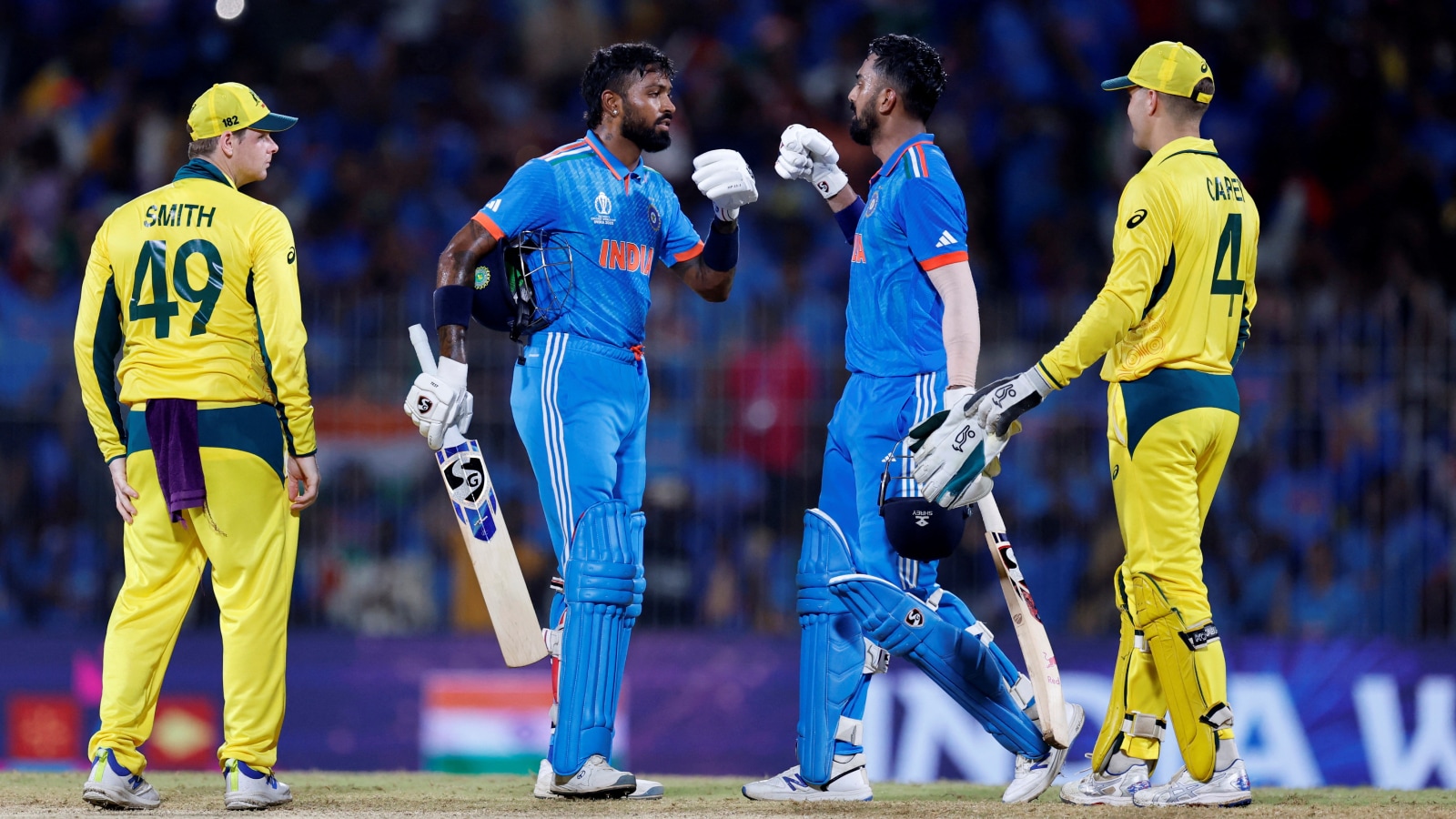
The current India A versus Australia A series is a good example. Australia A won the first unofficial ODI convincingly, while India A had previously secured the unofficial Test series. Such contrasting results demonstrate how quickly momentum can shift and why emerging players need consistency rather than relying on one exceptional performance.
Young cricketers also benefit from experiencing overseas conditions early in their careers. A player who learns how to deal with Australian bounce, larger boundaries and different tactical approaches at A-team level can be better prepared for a future senior tour. The same principle applies to Australian players developing their skills for challenging conditions in India.
What Fans Can Expect From Future Encounters
Future IND vs AUS contests are likely to remain highly competitive because both cricket systems continue to produce talented players. The senior men’s teams are scheduled to meet again during Australia’s 2027 tour of India, including an ODI fixture at Guwahati in February 2027. The wider schedule means fans can expect another significant chapter in the rivalry after the current 2026 calendar.
The next generation could make those matches particularly interesting. Players currently appearing for A teams may become international regulars by the time major bilateral series arrive. Their performances now can provide clues about which players are likely to carry responsibility in future contests.
Fans should also expect the tactical side of the rivalry to become increasingly sophisticated. T20 cricket, analytics, matchup-based selections and flexible batting orders have influenced how international teams prepare. India and Australia both have access to extensive data and coaching resources, meaning preparation will increasingly focus on specific player matchups and situational plans.
What Makes the Rivalry Different From Other Cricket Contests
Many international rivalries are driven by geography, history or tournament importance, but India and Australia combine several of these factors. The teams have competed in major ICC tournaments, bilateral series and high-pressure knockout matches, giving their rivalry a wide range of contexts.
The competition also benefits from the popularity of cricket in both countries. Indian cricket has an enormous domestic following, while Australian cricket has a deeply established sporting culture. Players from both nations also regularly encounter one another in franchise cricket, creating an unusual combination of international rivalry and professional familiarity.
That familiarity can sometimes make tactical preparation even more interesting. Players know the strengths and weaknesses of opponents they have faced repeatedly, so innovation becomes increasingly valuable. A batter may change his approach against a familiar bowler, while a captain may introduce an unexpected field or bowling combination to disrupt established patterns.
Conclusion
The IND vs AUS rivalry represents much more than a contest between two international cricket teams. It is a meeting of two powerful cricket systems with different traditions, playing styles and development pathways. From Test matches that demand patience and endurance to T20 games decided by a few deliveries, every format creates a different kind of challenge. The current cricket landscape shows that the rivalry is continuing to evolve. India and Australia are not only competing through their senior sides but are also developing the next generation through A-team cricket. Recent results involving India A and Australia A demonstrate the competitiveness of that pathway and underline how much talent exists behind both national teams.

