
The rivalry between India and Australia has become one of the defining stories of modern international cricket. Across different generations, their ODI contests have produced dramatic chases, pressure-filled finishes, outstanding individual performances and matches that remain memorable long after the final ball. The combination of India’s technically strong batting and Australia’s aggressive, adaptable cricketing approach makes every meeting highly competitive. For fans following the ind vs aus odi rivalry, the attraction goes beyond a simple battle between two major cricket nations.
The contest is particularly important because both teams regularly feature among the strongest sides in international cricket. India retained the top position in the ICC Men’s ODI Team Rankings after the May 2026 annual update, while Australia remained third. India had 118 rating points and Australia 109, underlining the quality of the two teams even when their recent results have differed.
At present, there is also a longer-term storyline developing around the rivalry. The 2027 ODI World Cup schedule has been announced, and India are scheduled to begin their campaign against Australia in Cape Town on October 7, 2027. That makes the next major chapter of this rivalry especially significant as both teams continue developing combinations for the tournament.
The History Behind India and Australia ODI Cricket
The history of the ind vs aus odi rivalry stretches back decades and includes some of the most important matches in international cricket. Australia traditionally built its ODI strength around aggressive batting, athletic fielding, fast bowling and a willingness to attack opponents. India, meanwhile, developed a reputation for technically gifted batters, quality spin options and an increasingly powerful pace attack.
Over time, the styles of both teams have evolved. India now possess a much more versatile bowling unit than previous generations, while Australia have continued to produce fast bowlers and powerful middle-order players capable of changing matches quickly. This evolution has made their encounters less predictable. A team that dominates the first half of an ODI can suddenly find itself under pressure because of one exceptional batting partnership or a short burst of wickets.
The rivalry has also grown because of the importance of their meetings in major tournaments. World Cup matches between the two nations have frequently carried enormous significance, meaning that players have had to perform under intense pressure. These games demonstrate why ODI cricket is not simply about accumulating runs or taking wickets. Managing momentum, choosing the right bowlers and understanding match conditions are equally important.
Recent India vs Australia ODI Results
The latest bilateral ODI series between India and Australia took place in Australia in October 2025. Australia won the first two matches before India responded strongly in the third ODI. The opening game at Perth was affected by the weather and Australia won by seven wickets under the DLS method. Australia then won the Adelaide match by two wickets after successfully chasing India’s total. India finished the series with an emphatic nine-wicket victory at Sydney.
That final match demonstrated how quickly the balance between these sides can change. Australia were bowled out for 236, while India reached 237 for one in only 38.3 overs. The nine-wicket victory provided India with an important confidence boost even though Australia had already secured the series.
| Recent ODI Match | Result | Margin |
|---|---|---|
| 1st ODI, Perth, 2025 | Australia won | 7 wickets, DLS |
| 2nd ODI, Adelaide, 2025 | Australia won | 2 wickets |
| 3rd ODI, Sydney, 2025 | India won | 9 wickets |
| Champions Trophy semifinal, 2025 | India won | 4 wickets |
| World Cup final, 2023 | Australia won | 6 wickets |
The recent results also show why historical records alone cannot determine the outcome of a future match. Australia may hold the stronger overall ODI head-to-head record, but India have demonstrated the ability to beat them in major tournament cricket and bilateral matches.
India vs Australia ODI Head-to-Head Record
The overall head-to-head record gives Australia an advantage. India and Australia have played 155 ODIs against each other, with Australia winning 86 and India winning 59. Ten matches have ended without a result, while there have been no ties in those recorded meetings.
This record is an important part of understanding the ind vs aus odi rivalry, but it needs to be viewed in context. Cricket has changed substantially over the decades. Pitch conditions, playing regulations, bowling strategies, technology, fielding standards and player workloads are all different from previous eras. A historical advantage therefore provides context rather than guaranteeing future success.
More recent matches offer a better indication of the current competitive balance. India defeated Australia in the 2025 Champions Trophy semifinal, winning by four wickets while chasing Australia’s total. Later that year, Australia won the first two ODIs of their home series against India before India responded with a dominant win in Sydney.
Why the ODI Format Makes This Rivalry Special
ODI cricket provides enough time for teams to recover from a poor start, but not enough time to make careless decisions repeatedly. This makes India-Australia matches particularly fascinating because both sides have the batting depth and bowling variety needed to exploit weaknesses.

The first 10 overs can establish the direction of an innings, but the middle overs often determine whether a team reaches a competitive total. Spinners and change bowlers become important during this period because controlling boundaries can be just as valuable as taking wickets. The final 10 overs then create another tactical phase in which powerful hitters attempt to maximize scoring while bowlers search for yorkers, slower deliveries and well-protected boundary options.
This creates several individual battles within one match. An opener might be trying to survive Australia’s new-ball attack, while India’s middle order could later be attempting to control Australia’s spin options. Similarly, Australia’s batters may need to manage India’s pace attack before targeting the fifth bowler during the middle overs.
Key Players Can Decide the Contest
In an ind vs aus odi match, individual performances frequently have a greater impact than statistics suggest. A batter who scores quickly during the final 15 overs can add 50 or 60 runs that completely change the required chase. Likewise, a bowler who takes two wickets during the middle overs can prevent a dangerous partnership from developing.
India’s current ODI setup is also being shaped with the 2027 World Cup in mind. Shubman Gill has emerged as an important figure in India’s ODI leadership structure, while the team management continues to assess young bowling options and the balance of the lower middle order. Recent comments from Gill have emphasized the need to develop a stable combination ahead of the next World Cup.
Australia have their own selection challenges and opportunities as they prepare for the next major ODI cycle. Their ability to develop a balanced squad around experienced players and emerging talent will be critical. Australia’s reputation for producing competitive cricketers means that even players entering the international setup without extensive experience can quickly become important contributors.
The Tactical Battle Between Bat and Ball
One of the most interesting aspects of India-Australia ODIs is the tactical battle during the powerplay. Australia have historically looked to attack with pace and bounce, while Indian batters often seek to establish control before accelerating. The quality of the opening partnership can therefore have a major effect on the rest of the innings.
The middle overs are a different challenge. Teams must decide when to attack spin, when to rotate the strike and when to protect wickets. Losing two wickets in quick succession can completely change a projected total. Conversely, a team that reaches the final 10 overs with seven or eight wickets remaining can potentially add a substantial number of runs.
Death bowling is equally important. In modern ODI cricket, totals can rise dramatically during the final overs. Bowlers must therefore combine accuracy with variation. A well-executed final five overs can save 30 or 40 runs, while a poor spell can turn a defendable total into a losing one.
What the 2027 World Cup Adds to the Rivalry
The next major scheduled chapter of the ind vs aus odi rivalry is particularly exciting because India and Australia are set to meet in the 2027 ODI World Cup. India are scheduled to face Australia in Cape Town on October 7, 2027, at the beginning of their World Cup campaign.
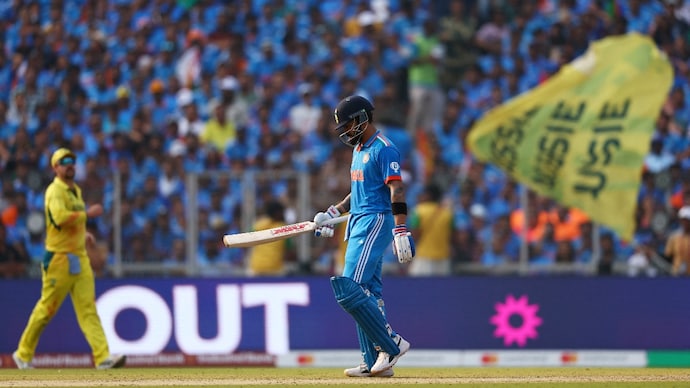
That fixture could carry significance beyond the points table. Both teams will be trying to establish momentum early in the tournament, and a victory over a major contender can provide considerable confidence. Since Australia are the reigning ODI World Cup champions and India currently occupy the top position in the men’s ODI rankings, the matchup could immediately become one of the tournament’s headline fixtures.
There is also plenty of time for circumstances to change before the World Cup. Players can emerge, established stars can experience changes in form, and injuries can alter squad combinations. The teams will therefore use bilateral ODIs and other international matches to identify the most reliable combinations.
Important Factors That Could Influence Future Matches
Several elements could determine the outcome when these two sides meet again:
- Playing conditions: Pitch pace, bounce and weather can significantly affect bowling and batting strategies.
- Powerplay performance: Early wickets or a fast opening partnership can establish control.
- Middle-over control: Strike rotation and spin bowling can determine the shape of the innings.
- Death overs: Finishing with the bat and defending totals at the end can decide close matches.
- Team balance: A strong number-eight option and multiple bowling choices can provide greater flexibility.
Another important factor is adaptability. ODI cricket increasingly rewards teams that can adjust their plans during a match instead of following a fixed strategy. A captain may need to change bowling combinations, alter field placements or promote a batter earlier than expected. India and Australia both have the resources to make those adjustments, which is one reason their matches are so difficult to predict.
Why Fans Continue to Follow India vs Australia ODIs
The popularity of the rivalry comes from more than national pride. Fans know that an India-Australia match can change direction within a few overs. A strong Australian start may be followed by a brilliant Indian bowling spell, or India’s batters may appear completely in control before Australia create pressure through wickets.
The rivalry also features contrasting cricket cultures. Indian cricket has traditionally produced enormous batting depth and increasingly sophisticated pace bowling, while Australia have built a reputation for competitive intensity, aggressive tactics and strong fast-bowling traditions. When these characteristics meet, the result is usually a contest filled with momentum swings.
For younger fans, the rivalry also provides an opportunity to compare different generations. Legendary players established the contest’s reputation, while current and emerging cricketers are creating their own chapters. The upcoming World Cup encounter could add another memorable chapter to that long history.
Conclusion
The ind vs aus odi rivalry remains one of the most compelling contests in international cricket. Australia’s 86 wins compared with India’s 59 from 155 meetings demonstrate the historical advantage held by Australia, but recent results show that India have repeatedly challenged that dominance. India won the 2025 Champions Trophy semifinal and also finished their 2025 bilateral ODI series in Australia with a commanding nine-wicket victory. The current ODI landscape makes the rivalry even more interesting. India remain the world’s top-ranked men’s ODI team, Australia are third, and both nations are building toward the 2027 World Cup.Their scheduled World Cup meeting in Cape Town on October 7, 2027, gives fans another major contest to anticipate.

.webp&description=Explore the India vs Australia ODI rivalry, recent results, head-to-head records, key players, tactical battles and what their next World Cup clash could mean.)