
The cricket rivalry between India and South Africa is known for its competitive matches, talented players, and exciting performances across international formats. Both teams have established themselves as major forces in world cricket, producing memorable contests in Test matches, One Day Internationals (ODIs), and Twenty20 Internationals (T20Is). India is widely recognised for its batting depth, spin bowling, and strong performances at home, while South Africa has traditionally been admired for its fast bowlers, athletic fielding, and powerful batting line-up.
An India vs South Africa contest offers much more than a comparison of two teams. It brings together different cricketing traditions, tactical approaches, and playing conditions. Indian pitches can favour spin and batting technique, whereas South African surfaces often provide pace and bounce. These differences influence team selection, batting strategies, and bowling combinations. Fans follow the rivalry to see established stars perform alongside emerging talents, while analysts examine statistics, partnerships, wickets, and match situations to understand what separates the winner from the losing side.
History of the India and South Africa Cricket Rivalry
India and South Africa have shared an important place in international cricket since South Africa returned to the international game in the early 1990s. Their encounters gradually developed into a compelling rivalry across formats, featuring challenging overseas tours, closely fought series, and performances that tested the abilities of both sides. Over time, both teams built competitive squads capable of winning in unfamiliar conditions.
India’s development as a successful international side has been supported by technically skilled batters, quality spin options, and an increasingly versatile pace attack. South Africa, meanwhile, has produced several generations of fast bowlers, dependable top-order batters, and accomplished all-rounders. Each team has experienced periods of dominance, but neither can take victory for granted when these sides meet.
The rivalry has also evolved alongside modern cricket. The introduction and growth of T20 cricket have increased the importance of power-hitting, innovative bowling, athletic fielding, and rapid decision-making. Test cricket continues to test patience and endurance, while ODIs require teams to balance stability with scoring momentum. These contrasting demands make the matchup interesting for supporters who enjoy different forms of the sport.
Team Strengths: India vs South Africa
India and South Africa approach cricket with different strengths, although modern teams are increasingly adaptable across conditions. India’s major advantage is its depth in batting, with players capable of building long innings, rotating the strike, and accelerating when the situation demands it. India also possesses a range of bowling options, including fast bowlers, wrist spinners, finger spinners, and all-rounders who can contribute in different phases of a match.
South Africa traditionally relies on pace, bounce, physical fitness, and aggressive cricket. Its fast bowlers can create problems through movement and sustained pressure, particularly on pitches that offer extra carry. The team can also produce explosive batting performances when its top and middle order settle into a rhythm. In recent years, South Africa has demonstrated that disciplined teamwork and smart tactical decisions can be just as important as individual brilliance.
When analysing India vs South Africa, it is useful to consider how each team’s strengths match the conditions. India may benefit from a balanced attack on turning surfaces, while South Africa can be particularly threatening when pace and bounce are available. Nevertheless, neither advantage guarantees a victory. Adaptability, execution, and composure under pressure frequently determine the final outcome.
Important Players to Watch
Individual performances often influence the result of a high-profile international cricket match. Experienced batters can absorb pressure, while aggressive stroke-makers can change the scoring rate within a few overs. Bowling leaders are equally important because early wickets can disrupt batting plans and create opportunities for the rest of the attack.
For India, players such as Virat Kohli, Rohit Sharma, Jasprit Bumrah, and Hardik Pandya have been associated with important performances across international formats. Kohli’s batting technique and ability to chase targets make him a significant figure in limited-overs cricket. Bumrah’s variations, control, and ability to bowl difficult overs provide India with a valuable option. Depending on the format and current squad, younger players may also influence the contest through aggressive batting or versatile bowling.
South Africa has also produced outstanding international performers, including Kagiso Rabada, Aiden Markram, David Miller, and Quinton de Kock. Rabada is known for his pace and wicket-taking ability, while Markram offers batting quality and leadership experience. Miller’s power-hitting can be particularly useful in the closing overs of limited-overs matches.
Player availability and current form should always be checked before assessing a specific fixture. Selection, injuries, workload management, and the conditions at the venue can change the likely impact of individual players.

Comparison of the Three Cricket Formats
India and South Africa compete across three principal international formats. Each format demands a different combination of patience, aggression, and tactical awareness.
|
Feature |
Test Cricket |
One Day Internationals |
T20 Internationals |
|---|---|---|---|
|
Match duration |
Up to five days |
Usually one day |
Usually around three hours |
|
Main batting priority |
Build substantial innings |
Balance stability and acceleration |
Score quickly while preserving wickets |
|
Bowling focus |
Patience, movement, and sustained pressure |
Control runs and take wickets |
Variations, matchups, and death-over execution |
|
Important skills |
Technique and endurance |
Adaptability and partnership building |
Power-hitting and rapid decisions |
|
Key tactical factor |
Pitch changes and session management |
Managing the innings across 50 overs |
Controlling momentum in short phases |
Test Cricket
Test matches provide the most demanding examination of technique and endurance. Batters must handle sustained spells from fast bowlers, adapt to changing pitch conditions, and remain patient over long periods. Bowlers need to maintain discipline while finding ways to dismiss well-set batters.
South Africa’s pace resources have often made overseas Test cricket challenging for visiting teams. India, however, has developed strong bowling combinations and experienced batters capable of competing in difficult conditions. The balance between batting resilience and bowling accuracy is central to this format.
One Day Internationals
ODI cricket requires a careful balance between preserving wickets and maintaining a competitive scoring rate. The opening partnership establishes the innings, the middle overs provide opportunities for consolidation, and the final overs often determine whether the total becomes difficult to chase.
Both teams need reliable middle-order batters and bowlers who can control the game when the opposition accelerates. Fielding also becomes crucial because a dropped catch or an unnecessary boundary can significantly influence a close match.
T20 Internationals
T20 cricket places a premium on rapid scoring, flexible batting positions, and tactical bowling changes. Teams must make decisions quickly because a single over can change the direction of the game.
India’s batting depth and experience in short-format cricket can make it dangerous, while South Africa’s power hitters and fast bowlers provide an effective counter. The team that controls the power play and executes its plans in the final overs often gains a decisive advantage.
Pitch and Weather Conditions
Pitch conditions play a major role in international cricket, particularly when teams travel between India and South Africa. Indian venues can offer good batting surfaces, slower pitches, and assistance for spin bowlers, depending on the ground and the stage of the match. South African grounds are often associated with pace and bounce, although conditions vary between venues and can change throughout a series.
Weather can influence swing, outfield speed, visibility, and the likelihood of interruptions. Cloud cover may help seam bowlers, while dry conditions can support batting and, in some circumstances, spin. In limited-overs cricket, dew may make it harder for bowlers to grip the ball during the second innings.
Before evaluating a match, supporters should consider these important factors:
-
Pitch report: Determine whether the surface is expected to favour batters, fast bowlers, or spinners.
-
Weather forecast: Check for rain, humidity, cloud cover, and potential delays.
-
Toss decision: Consider whether batting first or chasing is likely to offer an advantage.
-
Ground dimensions: Shorter boundaries may increase scoring opportunities for power hitters.
-
Team combination: Assess the balance between specialist batters, pace bowlers, spinners, and all-rounders.
These details provide a more reliable basis for match analysis than relying exclusively on a team’s reputation.
Batting Strategies and Key Matchups
A strong batting performance often begins with a clear plan for the opening overs. Batters must identify scoring opportunities without exposing themselves to unnecessary risks. Against high-quality fast bowling, leaving well outside the off stump, playing late, and maintaining balance can be essential. Against spin, footwork and strike rotation help prevent bowlers from building sustained pressure.
India may look to establish a strong foundation before accelerating, particularly in longer formats. South Africa can respond with aggressive seam bowling, attacking field placements, and changes of pace. The success of these approaches depends on how well players read the conditions.
Middle-order partnerships are especially important when early wickets fall. Experienced players can rebuild an innings by rotating the strike and targeting favourable matchups. In T20 cricket, batters must also identify which overs offer the best opportunities for boundaries. A well-timed acceleration can turn an average total into a challenging one.
The contest between a batter’s preferred scoring areas and the bowler’s line and length is one of the most interesting aspects of this rivalry. Successful teams study opponents carefully, adjust their plans during the match, and avoid repeating tactics that are not working.
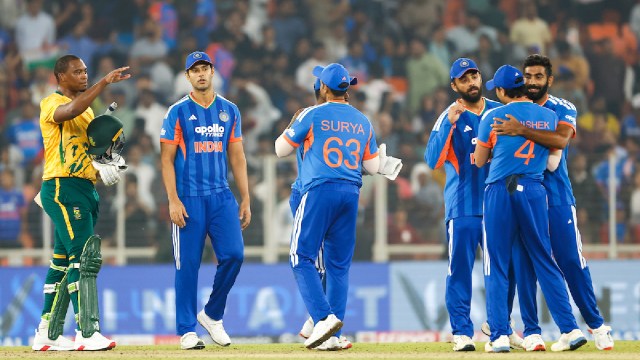
Bowling, Fielding, and All-Round Performance
Bowling attacks need different strategies for different stages of a match. In Tests, consistency and pressure can force mistakes over time. In ODIs, teams must protect boundaries while creating wicket-taking opportunities. In T20s, bowlers often rely on yorkers, slower balls, changes of length, and clever field placements to restrict aggressive batters.
India’s spin options can be influential on surfaces that offer turn, while its fast bowlers provide pace and control. South Africa’s seam attack can create difficulties through movement, bounce, and well-directed short deliveries. However, both teams need more than one effective bowler to remain competitive throughout a match.
Fielding is another important element. Quick movement, accurate throwing, reliable catching, and sharp ground fielding can prevent runs and generate wickets. All-rounders add flexibility by strengthening the batting order while offering additional bowling choices.
A complete team performance generally combines:
-
Early wickets without excessive boundary concessions.
-
Strong communication and reliable catching.
-
Batting partnerships that withstand periods of pressure.
-
Effective bowling changes based on the match situation.
-
Calm decision-making during the closing stages.
How to Analyse Match Statistics
Statistics help explain team performance, but individual numbers need context. A batter’s average can indicate consistency, while a strike rate shows how quickly runs are scored. Bowling economy measures runs conceded per over, and bowling strike rate indicates how frequently a bowler takes wickets.
The following table outlines useful indicators when reviewing an international contest.
|
Statistical measure |
What it reveals |
Why it matters |
|---|---|---|
|
Batting average |
Runs scored per dismissal |
Helps assess consistency |
|
Strike rate |
Speed of scoring |
Important in limited-overs cricket |
|
Bowling economy |
Runs conceded per over |
Measures control |
|
Bowling strike rate |
Balls bowled per wicket |
Indicates wicket-taking frequency |
|
Partnership runs |
Contribution of a batting pair |
Shows how innings are built |
|
Power-play score |
Runs scored in the opening phase |
Helps explain early momentum |
|
Fielding statistics |
Catches, run-outs, and other contributions |
Highlights defensive effectiveness |
When examining India vs South Africa statistics, compare performances in similar conditions and formats. A player’s Test average cannot be directly compared with a T20 strike rate, and a strong home record does not automatically predict success overseas. Recent form, opposition quality, and the match situation all influence the interpretation of statistics.
What Makes This Rivalry Exciting for Fans?
The appeal of these matches comes from the combination of contrasting styles and high-quality international competition. Indian supporters often look for technically strong batting, effective spin bowling, and successful run chases. South African supporters value disciplined fast bowling, aggressive stroke play, and athletic fielding. Both teams have the ability to produce performances that challenge expectations.
The rivalry also creates opportunities for emerging cricketers to establish themselves against experienced international opponents. A young batter who handles a difficult spell or a relatively inexperienced bowler who dismisses a leading player can become a major talking point. These individual achievements add fresh stories to a rivalry built over several decades.
For viewers, following the contest involves more than watching the scoreboard. Team selections, tactical adjustments, partnerships, bowling changes, and fielding decisions provide insight into the thinking behind each performance. Closely contested matches are particularly rewarding because small decisions can have a substantial effect on the result.
Conclusion
India and South Africa remain two formidable teams in international cricket, with strengths that can produce compelling contests across Tests, ODIs, and T20Is. India’s batting depth, spin options, and tactical flexibility combine with South Africa’s pace bowling, athletic fielding, and powerful batting to create a challenging matchup for both sides.
Understanding the conditions, player availability, team balance, and recent performances provides a stronger foundation for evaluating an upcoming match. Historical records offer useful context, but every contest presents a fresh challenge. Ultimately, the side that adapts more effectively, builds important partnerships, takes crucial wickets, and handles pressure is better positioned to succeed.
For cricket enthusiasts, india vs south africa represents a rivalry that continues to offer tactical battles, individual brilliance, and memorable sporting moments. Whether the match is a five-day Test or a fast-paced T20 international, the contest rewards skill, preparation, teamwork, and the ability to perform when it matters most.

