
The Indian Premier League continues to be one of the most closely followed cricket tournaments in the world, bringing together leading international players, emerging Indian talent and some of the strongest T20 franchises. The 2026 season once again delivered a packed calendar of high-intensity matches, with teams competing across different Indian venues before the tournament moved into its decisive playoff stage. For fans, understanding the IPL matches schedule 2026 is useful not only for knowing when teams played but also for following the progression from the opening fixture through the league stage and ultimately to the final.
The 2026 season began on March 28, with Royal Challengers Bengaluru facing Sunrisers Hyderabad in Bengaluru. The league stage consisted of 70 matches, giving every franchise a substantial opportunity to collect points and compete for a playoff position. The schedule was arranged in phases because of logistical considerations and state assembly elections, with the first phase running from March 28 to April 12 and the remaining league fixtures continuing from April 13 through May 24.
Looking at the IPL matches schedule 2026 also provides a useful picture of how the competition was structured. Matches were distributed among several major cricket cities, while double-headers created additional opportunities for fans to watch two games on the same day. Afternoon fixtures generally started at 3:30 PM IST, while evening games were scheduled for 7:30 PM IST. This combination helped maintain the traditional rhythm of the IPL while allowing teams to compete across a demanding league campaign.
Understanding the IPL Matches Schedule 2026
The IPL 2026 fixture list was divided into a league stage followed by the playoffs. Ten franchises competed during the league phase, with each team playing 14 matches. The objective was straightforward: accumulate enough points to finish among the top four and earn a place in the playoff race. Although every league fixture carried the same basic value in terms of points, the timing of matches became increasingly important as teams approached the final weeks of the competition.
The first phase contained 20 matches across 10 venues. Bengaluru, Mumbai, Guwahati, New Chandigarh, Lucknow, Kolkata, Chennai, Delhi, Ahmedabad and Hyderabad were among the locations involved during this opening section of the tournament. The second phase then expanded the schedule to 12 venues and included another 50 league matches. This created a demanding travel calendar while giving supporters in different parts of India the chance to watch IPL cricket in their home cities.
Another important feature of the schedule was the use of double-headers. These fixtures traditionally give supporters a full day of IPL action, with an afternoon game followed by an evening contest. The 2026 schedule included several such days, creating additional viewing opportunities during weekends and important stages of the league campaign.
IPL 2026 League Stage: Key Schedule Details
The league stage represented the largest portion of the tournament. Matches began in late March and continued until May 24, when the final two league fixtures were played. The schedule gradually became more significant as teams moved toward the final positions in the points table. A strong start could establish momentum, but teams also needed consistency because 14 league matches provided relatively little room for repeated setbacks.
| Schedule Phase | Period | Matches | Main Focus |
|---|---|---|---|
| Opening phase | March 28–April 12 | 20 | Tournament start and early points |
| Second league phase | April 13–May 24 | 50 | Playoff qualification race |
| Qualifier 1 | May 26 | 1 | Top two teams |
| Eliminator | May 27 | 1 | Third vs fourth |
| Qualifier 2 | May 29 | 1 | Second finalist |
| Final | May 31 | 1 | Championship |
The second phase was particularly important because it contained 50 league matches and took the competition into the decisive part of the season. Teams competed across Bengaluru, Mumbai, Chennai, Kolkata, Delhi, Ahmedabad, Hyderabad, Lucknow, Jaipur, Dharamshala, Raipur and New Chandigarh. The geographical spread meant that players and support staff had to manage travel, recovery and changing playing conditions throughout the campaign.
Major Venues Featured in the 2026 Season
The IPL has always benefited from its connection with India’s major cricket grounds, and the 2026 season continued that tradition. Bengaluru, Chennai, Mumbai, Kolkata, Delhi, Ahmedabad, Hyderabad and several other cities hosted league matches. Each venue brought a different atmosphere and often different tactical conditions, making home advantage an important factor during the competition.
For example, teams playing in Chennai generally had to consider slower conditions and how spinners could influence the middle overs, while venues such as Bengaluru could provide a different challenge for bowlers because of the nature of the ground and playing conditions. Mumbai and Kolkata also provided distinctive environments, while venues such as Jaipur and Lucknow added variety to the overall fixture list. The IPL matches schedule 2026 therefore was not simply a list of dates; it also shaped the tactical challenges teams faced from one game to another.
The schedule also included matches at New Chandigarh, Dharamshala and Raipur. These locations added geographical variety to the tournament and provided opportunities for franchises to build stronger regional connections with supporters. Punjab Kings, for instance, played home fixtures across New Chandigarh and Dharamshala during the second phase, while Rajasthan Royals had several home matches in Jaipur. Royal Challengers Bengaluru also played matches in Bengaluru and Raipur.
Match Timings and Double-Header Days
Match timing is one of the most searched aspects of an IPL fixture list because supporters often plan their viewing around work, school, travel and other commitments. In the 2026 season, evening matches generally began at 7:30 PM IST, while afternoon games on double-header days started at 3:30 PM IST. This familiar timing structure allowed fans to follow matches during the afternoon and then continue watching the evening contest.
Double-headers were especially valuable during weekends because they created a complete day of cricket entertainment. However, they also created additional physical demands for teams, particularly when travel schedules were involved. Players had to manage preparation, recovery and training carefully when fixtures were closely spaced.
The timing of a match can also influence tactical decisions. Evening games may bring dew into consideration, while afternoon contests can provide different conditions for batting and bowling. Captains therefore have to evaluate the pitch, weather and expected changes throughout the match rather than relying purely on historical results.
How the League Schedule Determines Playoff Qualification
The league schedule is directly connected to the IPL’s playoff system. Each franchise attempts to collect points throughout its 14 league matches, with wins becoming particularly valuable during the final weeks. A team can recover from a slow start, but dropping too many matches can make qualification increasingly difficult when the table becomes crowded.
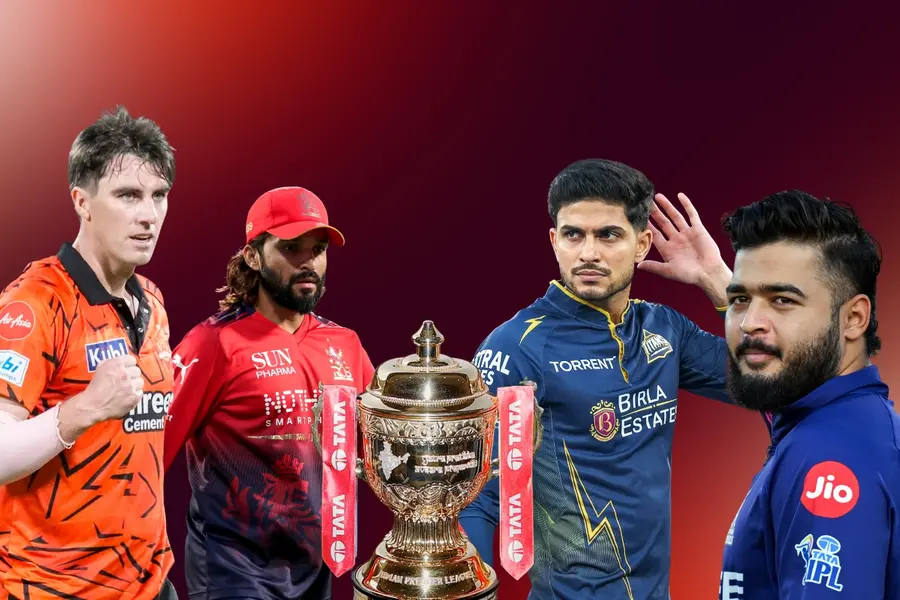
Net run rate can also become important when teams finish the league stage with similar points. This means that the result of an individual match can have consequences beyond the immediate two points. Winning comfortably can improve a team’s net run rate, while a heavy defeat can create additional pressure later in the campaign.
The 2026 points table ultimately showed how competitive the league was. Royal Challengers Bengaluru, Gujarat Titans and Sunrisers Hyderabad each finished on 18 points, while Rajasthan Royals reached 16 points and secured the fourth playoff position. The final league standings demonstrated how closely contested the race for the top four places had been.
Playoffs and the Road to the IPL 2026 Final
Once the 70-match league stage concluded on May 24, attention shifted toward the playoffs. The playoff structure gave the top two teams an important advantage because they received an opportunity to reach the final through Qualifier 1. The third- and fourth-placed teams met in the Eliminator, while the remaining route to the final was completed through Qualifier 2.
Qualifier 1 was scheduled for May 26 at the HPCA Stadium in Dharamshala. The Eliminator followed on May 27 at New Chandigarh, with Qualifier 2 also taking place at the same venue on May 29. The championship match was then scheduled for May 31 at the Narendra Modi Stadium in Ahmedabad.
The playoff structure made the final week particularly compelling because teams were no longer simply competing for league points. Every match had a direct impact on championship qualification. The team winning Qualifier 1 advanced directly to the final, while the other playoff teams had to navigate additional elimination pressure.
Important Matches and Rivalries to Watch
Every IPL season produces several fixtures that attract additional attention because of established rivalries, star players or previous encounters. Matches involving Mumbai Indians, Chennai Super Kings, Royal Challengers Bengaluru, Kolkata Knight Riders and other major franchises regularly generate significant interest among supporters.
The schedule also created opportunities for teams to meet opponents at different stages of the campaign. A match early in the season could have a completely different significance from a fixture in May. Injuries, player form, tactical changes and the points table can transform the context surrounding a repeat encounter.
One particularly notable feature of the 2026 competition was the strong performance of Royal Challengers Bengaluru. After finishing at the top of the league standings, the team progressed through the playoffs and eventually reached the final against Gujarat Titans. The season concluded with RCB defeating Gujarat Titans by five wickets at the Narendra Modi Stadium to successfully defend their title.
Why Fans Follow the Schedule So Closely
For supporters, a complete fixture list is useful for much more than knowing match dates. Fans use schedules to plan stadium visits, arrange viewing parties, follow their favourite franchise during away matches and keep track of important games during the playoff race. Fantasy cricket players and analysts also rely heavily on fixture information because opposition strength, venue and match timing can influence expectations.
The IPL matches schedule 2026 was particularly useful because the season covered multiple months and numerous cities. A supporter following one franchise needed to keep track of both home and away fixtures, while fans following the entire tournament had to pay attention to double-headers and changes in the standings.
Schedules are also important for understanding the broader rhythm of a season. A team may have a difficult sequence of away fixtures followed by several home matches, or it may face strong opponents within a short period. Such patterns can influence momentum and make certain stretches of the tournament more demanding than others.
What Made the 2026 Schedule Interesting
The 2026 schedule combined established IPL venues with several locations that added variety to the competition. It also spread the league across different phases instead of presenting all fixtures as one uninterrupted block. This approach allowed organizers to accommodate wider logistical requirements while maintaining the overall structure of a 70-match league season.
A few schedule features stood out for fans:
- A 70-match league stage involving 10 franchises.
- Afternoon and evening matches on selected double-header days.
- League fixtures across a wide selection of Indian cricket venues.
- A four-team playoff stage leading to the final.
The geographic distribution was another notable aspect. Teams were required to move between cities such as Ahmedabad, Chennai, Delhi, Jaipur, Lucknow, Mumbai and Hyderabad, while selected franchises also played in Raipur, Dharamshala and New Chandigarh. This gave the season a strong nationwide character.
How to Read an IPL Fixture Correctly
Understanding a fixture is relatively simple, but there are several details that fans should check. The first is the match number, which establishes where the game sits within the league sequence. The date and start time then indicate when the match is scheduled, while the home and away designations show which franchise is listed as the host.
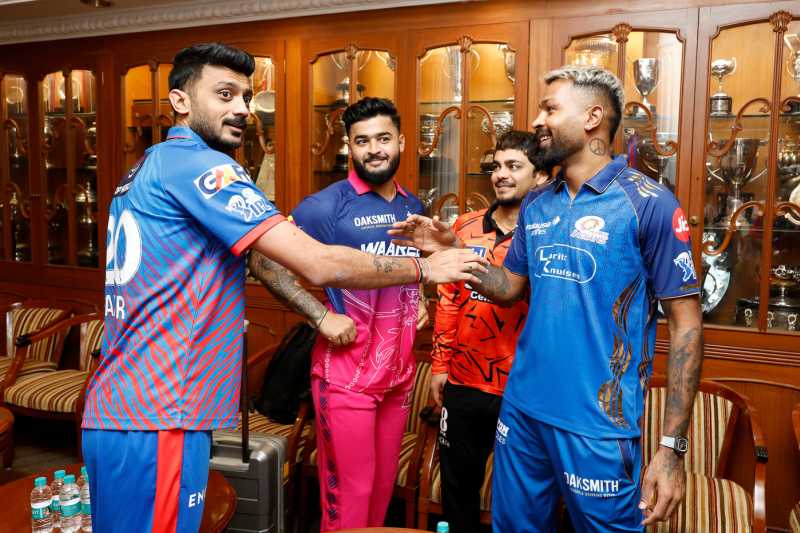
The venue is equally important because conditions can differ significantly from one ground to another. A supporter planning to attend a match should consider the venue, date and start time together rather than looking only at the teams involved.
It is also worth remembering that tournament schedules can occasionally be adjusted because of operational, logistical or other unavoidable circumstances. The official 2026 fixture document itself noted that the schedule could be subject to change when required.
The Significance of the IPL Matches Schedule 2026
The IPL matches schedule 2026 represented the framework around which the entire tournament was built. From the opening contest in Bengaluru to the final in Ahmedabad, every stage was connected through a carefully structured sequence of league fixtures and playoffs.
For teams, the schedule determined travel, preparation and recovery patterns. For fans, it provided the information needed to follow their favourite franchises throughout the season. For analysts, it offered context for evaluating team performance across different venues and periods of the campaign.
The completed season showed why scheduling is such an important part of professional T20 cricket. With 70 league matches followed by four playoff fixtures, the competition required consistency over a long period before the eventual champion could be crowned.
Conclusion
The IPL matches schedule 2026 delivered another complete season of high-level T20 cricket, combining 70 league-stage matches with a four-match playoff phase. The competition began on March 28 and the league stage concluded on May 24, followed by Qualifier 1, the Eliminator, Qualifier 2 and the Final. Matches were distributed across numerous Indian venues, giving supporters from different regions opportunities to experience IPL cricket in their own cities. The schedule ultimately built toward a dramatic finish in Ahmedabad, where Royal Challengers Bengaluru defeated Gujarat Titans in the final to retain the championship.

