
The javelin world athletics championships represent one of the most exciting events in international track and field, combining explosive power, technical precision, athletic discipline, and the pressure of competing against the world’s best throwers. Unlike many running events, where speed and endurance determine the outcome, javelin throwing requires athletes to coordinate a fast approach, controlled footwork, powerful body rotation, and a carefully timed release. A small technical mistake can reduce the distance of a throw, while a perfectly executed attempt can transform an athlete into a world champion.
Javelin throwing has also developed into a global sport that attracts attention from Europe, Asia, and other regions with strong athletics traditions. Finland, Germany, the Czech Republic, India, and several other countries have produced accomplished throwers who have helped raise the standard of international competition. Major championships give established champions an opportunity to defend their reputations while allowing emerging athletes to challenge the traditional hierarchy. Every round can bring a new surprise, particularly when weather conditions, competition pressure, and tactical decisions influence the results.
For athletics fans, the javelin world athletics championships offer more than a contest to determine who can throw the farthest. They provide a closer look at the science of movement, the importance of coaching, the development of sporting talent, and the mental strength required to deliver a major performance when it matters most. Understanding the event’s format, history, leading competitors, and technical demands makes each throw more meaningful and helps readers appreciate what separates a good performance from a championship-winning effort.
Understanding the Javelin Event at the World Championships
Javelin throwing is a field event contested at the World Athletics Championships, the international athletics competition that brings together elite athletes from different countries. Men and women compete in separate events, with each athlete attempting to throw a specially designed javelin as far as possible within the rules. The distance is measured from the throwing arc to the nearest point where the javelin first lands, provided the attempt is valid. The implement must land tip-first within the marked sector for the throw to count.
The championship format generally begins with a qualification round when the number of entries exceeds the available places in the final. Athletes aim to meet the qualification standard or secure a place among the leading performers under the applicable competition rules. Finalists then compete through a series of attempts, with the strongest performances determining the medals. In the final, athletes typically receive three initial throws, after which the leading eight competitors earn three additional attempts. This structure rewards consistency but also gives athletes opportunities to produce a decisive throw late in the competition.
Why Every Attempt Matters
A javelin competition can change dramatically from one round to another. An athlete might produce an excellent opening throw and establish an early lead, while a rival saves their best performance for the final attempts. Fouls, inconsistent release angles, and difficult wind conditions can also affect the standings. Because only valid throws count, athletes must balance aggression with control. Throwing too cautiously may limit their distance, but attempting to generate maximum power without maintaining proper technique can lead to a foul or a disappointing result.
The History and Growth of Javelin Throwing
Javelin throwing has roots in ancient hunting and warfare, when people used spear-like implements for survival and combat. Over time, throwing developed into a competitive athletic discipline, eventually becoming part of organized international sport. Men’s javelin throwing featured in the modern Olympic Games from 1908, while the women’s event was introduced in 1932. The World Athletics Championships later provided another major platform for the world’s leading throwers, allowing them to compete for global titles outside the Olympic cycle.
The sport has changed significantly through improvements in training methods, coaching knowledge, physical preparation, and equipment design. Modern javelins are engineered to follow strict specifications governing factors such as weight and dimensions. The men’s senior javelin weighs 800 grams, while the women’s senior javelin weighs 600 grams. Equipment design has also evolved over time, including a major redesign of the men’s javelin in 1986 to help address safety concerns associated with increasingly long throws and landing patterns. This change altered the performance landscape and means historical distances must be understood in the context of the equipment used.
The javelin world athletics championships have helped make the event more visible by bringing elite performances to an international audience. Each edition introduces new rivalries and gives athletes opportunities to establish themselves on the biggest stage. The competition also demonstrates how sporting excellence depends on long-term development rather than a single moment of inspiration.
Javelin World Athletics Championships: Latest Results from 2025
The 2025 World Athletics Championships in Tokyo delivered an exciting men’s javelin final, with athletes from several countries competing for the world title. Trinidad and Tobago’s Keshorn Walcott won the gold medal with a throw of 88.16 metres. Anderson Peters of Grenada secured silver with 87.38 metres, while American thrower Curtis Thompson earned bronze with 86.67 metres. The result highlighted the international depth of men’s javelin, where athletes from the Caribbean, North America, Europe, Africa, and Asia can all challenge for medals.
India also had a strong presence in the final. Sachin Yadav finished fourth with a personal best of 86.27 metres, narrowly missing the podium. Germany’s Julian Weber placed fifth with 86.11 metres, while Kenya’s Julius Yego finished sixth with 85.54 metres. India’s Neeraj Chopra, who entered the competition as one of the prominent contenders, finished eighth with 84.03 metres. These results demonstrated how competitive the event has become, with several athletes capable of reaching the medal positions when they produce their best performances.
Women’s Javelin Final in Tokyo
The women’s competition produced a memorable result as Ecuador’s Juleisy Angulo won gold with a national-record throw of 65.12 metres. Latvia’s Anete Sietiņa secured silver with 64.64 metres, setting a personal best, while Australia’s Mackenzie Little claimed bronze with 63.58 metres. The close competition demonstrated that international success depends on consistency and execution as much as reputation. Angulo’s victory was particularly significant because she converted her opportunity on the championship stage into a national record and a world title.
Leading Athletes Who Have Shaped the Competition
Javelin throwing has produced several outstanding athletes whose achievements have influenced the sport across generations. Jan Železný of the Czech Republic remains one of the most celebrated names in men’s javelin. His world record of 98.48 metres, set in 1996, remains the benchmark for modern men’s javelin. His success reflected exceptional throwing technique, speed, coordination, and the ability to deliver outstanding performances consistently. His championship record of 92.80 metres, established in 2001, further demonstrates his remarkable impact on international competition.
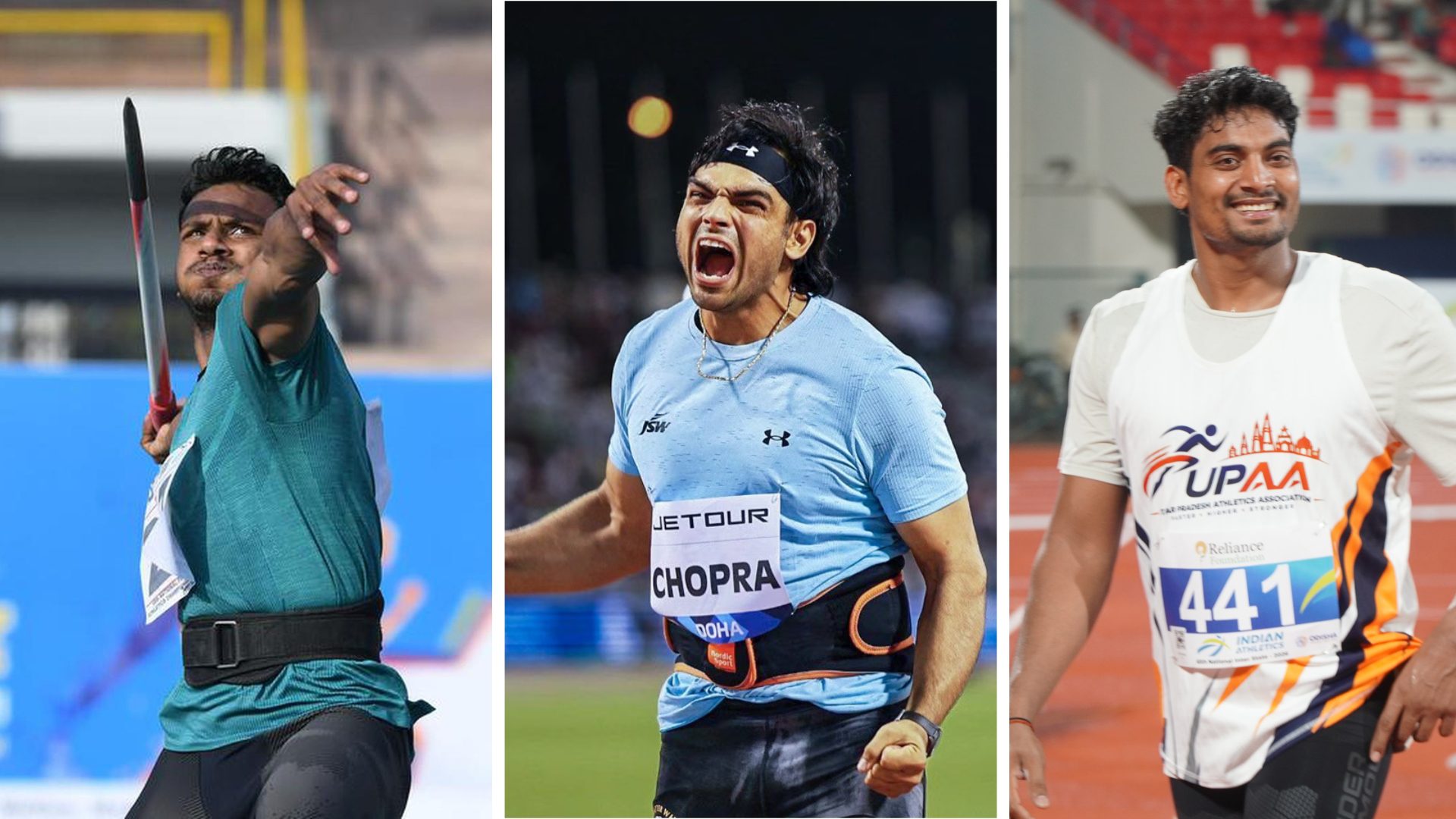
In women’s javelin, Czech athlete Barbora Špotáková holds the world record of 72.28 metres, set in 2008. Her achievement remains a major reference point for elite female throwers. Meanwhile, India’s Neeraj Chopra has helped attract enormous attention to javelin throwing in South Asia through his Olympic and world championship achievements. Pakistan’s Arshad Nadeem has also raised the profile of the event through his major international performances. Their rivalry and success have encouraged more young athletes to consider javelin as a serious competitive discipline.
Why International Rivalries Matter
Strong rivalries make championship events more engaging because athletes must adapt to the performances of their opponents. A thrower who leads early cannot assume the contest is settled, particularly when experienced competitors still have attempts remaining. Coaches and athletes monitor the standings, evaluate technical consistency, and decide how aggressively to approach subsequent rounds. These tactical decisions add another layer to the event and explain why the longest throw in qualification does not automatically predict the eventual champion.
Key Rules and Measurements Every Fan Should Know
Understanding the rules helps spectators follow the competition and recognize why a seemingly impressive throw may not count. Athletes must throw from behind the designated throwing arc, and the javelin must land within the marked sector. The tip must make the first contact with the ground for the attempt to be valid. A throw is also invalid if the athlete crosses the arc or leaves the throwing area improperly before the implement lands.
The following table summarizes several important measurements and championship details.
| Feature | Men’s javelin | Women’s javelin |
|---|---|---|
| Senior implement weight | 800 grams | 600 grams |
| Minimum implement length | 2.60 metres | 2.20 metres |
| Typical elite throwing distance | 80–90 metres | 60–70 metres |
| Current world record | 98.48 metres | 72.28 metres |
| Record holder | Jan Železný | Barbora Špotáková |
World records and equipment specifications reflect the modern javelin implement. Typical elite distances are approximate, not qualification standards.
These measurements provide a useful starting point for understanding the sport, but they do not fully explain an athlete’s performance. Throwing distance depends on the speed of the implement at release, its angle and orientation, the athlete’s technique, and environmental conditions. Even a small improvement in release speed can make a substantial difference at elite level, where competitors often finish within a few metres of one another.
The Technique Behind a Championship-Winning Throw
A successful javelin throw begins well before the implement leaves the athlete’s hand. During the approach run, the thrower builds controlled speed while preparing the body for the delivery phase. The javelin is carried in a stable position, and the athlete uses a series of crossover steps to prepare the throwing arm and align the body. The final steps are particularly important because they allow the athlete to transfer momentum into the throw without losing balance.
The delivery itself involves coordinated movement through the legs, hips, torso, shoulder, elbow, and hand. Rather than relying only on arm strength, elite athletes generate force through the entire kinetic chain. The front leg helps brace the body, the torso rotates, and the throwing arm accelerates the javelin toward release. After the throw, the athlete must maintain control and avoid crossing the throwing arc. Effective technique allows athletes to use their strength efficiently while reducing unnecessary stress on the shoulder and elbow.
What Separates Good Throwers from Great Ones?
Great throwers combine physical ability with technical repeatability. They can reproduce efficient movements under pressure, adjust their approach when conditions change, and remain composed after a foul or a disappointing attempt. Their training includes strength development, mobility, sprinting, throwing drills, and carefully managed recovery. Coaches also study the athlete’s release mechanics and approach rhythm to identify small changes that may improve performance.
How Athletes Prepare for Global Championships
Preparation for an international championship generally takes months or years rather than a few weeks. Athletes build strength and speed during structured training cycles, gradually increasing the intensity of technical work as major competitions approach. Training plans must balance throwing practice with recovery because repeated high-intensity throws place considerable stress on the shoulder, elbow, back, and lower body. Good preparation therefore involves monitoring workload, addressing minor injuries early, and maintaining physical freshness for competition day.
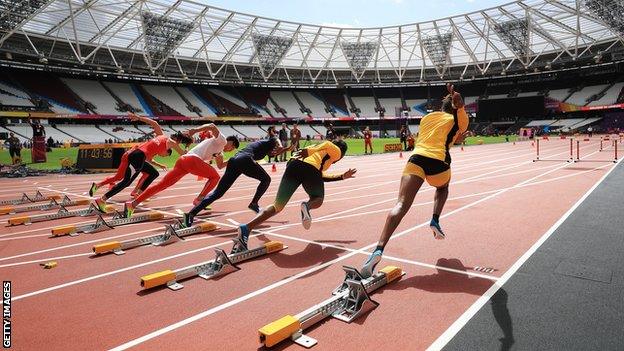
Mental preparation is equally important. Athletes may have only a few opportunities to produce their best performance, and the pressure increases when medals are at stake. Visualization, breathing exercises, consistent pre-throw routines, and realistic competition simulations can help athletes remain focused. A thrower who misses an early attempt must quickly reset rather than allowing frustration to affect the next round. Championship success often depends on responding effectively to setbacks instead of expecting every attempt to go perfectly.
What Makes Javelin Throwing Popular in India?
Javelin throwing has gained considerable visibility in India following Neeraj Chopra’s major international successes. His achievements helped introduce the event to audiences who traditionally focused more heavily on cricket and other popular sports. His performances also demonstrated that Indian athletes can compete for the highest honours in global athletics, encouraging young competitors to explore track and field disciplines.
Sachin Yadav’s fourth-place finish at the 2025 World Championships further illustrated the depth developing within Indian men’s javelin. Finishing just outside the medals with a personal best showed that the country has more than one athlete capable of challenging established international competitors. Continued progress will depend on access to qualified coaches, suitable training facilities, sports science, competition opportunities, and long-term support for developing athletes. The javelin world athletics championships can serve as an important benchmark for measuring that progress against the world’s best.
What to Expect from Future Championships
Future editions of the championship are likely to feature continued competition between established medal contenders and younger athletes seeking their first major international breakthroughs. Performance levels can change quickly as athletes improve their strength, refine their throwing mechanics, and gain experience in high-pressure finals. New national records and personal bests can also reshape expectations, making it difficult to predict medal outcomes based on previous results alone.
For spectators, following qualification performances, season-best marks, and head-to-head results can provide useful context before a final begins. However, past achievements do not guarantee future victories. Wind conditions, technical consistency, injury management, and the ability to perform under pressure all influence the outcome. The unpredictability of these factors is a major reason the event remains exciting for both dedicated athletics followers and casual viewers.
Conclusion
The javelin world athletics championships showcase a unique combination of explosive athleticism, precise technique, mental resilience, and international competition. From the event’s historical development to the latest results in Tokyo, javelin throwing continues to evolve as athletes push performance standards and challenge established champions. The 2025 men’s final, won by Keshorn Walcott, and the women’s victory by Juleisy Angulo demonstrated the global nature of the sport and the opportunities available to athletes from different countries. Understanding the competition rules, equipment specifications, training methods, and achievements of leading throwers makes the event more rewarding to follow. It also reveals why a championship medal requires more than raw strength: success depends on combining speed, coordination, discipline, and sound decision-making across every round.

