
The West Indies vs India Test rivalry is an important part of international cricket, bringing together two teams with rich histories, contrasting playing styles, and passionate supporters. From India’s technically skilled batters to the West Indies’ tradition of powerful fast bowling, these contests have delivered memorable performances, challenging conditions, and exciting five-day battles.
For Indian cricket fans, following a West Indies vs India Test match means looking beyond the scorecard. Pitch conditions, batting partnerships, bowling spells, team selection, and changing match situations all influence the outcome. Understanding these factors helps readers appreciate the tactical side of Test cricket and identify the performances that can make a difference.
This guide explores the history of the rivalry, the importance of individual performances, the strategies used by both teams, and the key factors fans should follow when watching a Test match. It also explains how to assess match conditions and understand the five-day format without relying only on runs and wickets.
Understanding the West Indies vs India Test Rivalry
India and the West Indies have a long history in Test cricket. Their encounters have featured different generations of outstanding players, memorable batting displays, and demanding bowling spells. The rivalry has evolved as cricket has changed, with modern players combining traditional Test-match patience with improved fitness, data analysis, and adaptable techniques.
Historically, the West Indies became famous for their formidable fast-bowling attacks and powerful batting line-ups. India developed a reputation for technically accomplished batters and, particularly over time, increasingly competitive pace and spin bowling. These traditions provide an interesting contrast whenever the teams meet in the longest format.
The conditions in which a match is played are also important. Indian pitches may offer assistance to spinners as a match progresses, while Caribbean conditions can vary considerably between venues. However, neither team should be judged by reputation alone. Current form, player availability, preparation, and the particular surface all affect the balance of a contest.
Why Test Cricket Is Different from Other Formats
Test cricket is played over a maximum of five days, with each team generally having two innings. Unlike limited-overs cricket, there is no fixed quota of overs for a team’s innings, although daily playing hours and other regulations apply.
The format rewards concentration, patience, adaptability, and the ability to perform under pressure for extended periods. A batter may need to defend carefully during a difficult morning session before taking advantage of a tiring bowling attack later in the day. Similarly, a bowler may spend several overs building pressure before creating an opportunity for a wicket.
A Test match can change direction multiple times. A team that loses early wickets may recover through a long partnership, while a side that dominates the first two days can find itself under pressure after a collapse. Draws are also possible when time runs out before a result is achieved.
For anyone following West Indies vs India Test cricket, understanding these characteristics makes the match more engaging. A quiet session without many runs may still be tactically important if the batting side is successfully defending against a dangerous bowling spell.
Key Factors That Can Decide a West Indies vs India Test Match
1. Batting Technique and Shot Selection
Successful Test batting requires a combination of sound technique, patience, and sensible decision-making. Players must judge which deliveries to defend, which to leave, and which to attack. Against fast bowlers, footwork and the ability to handle movement are especially important. Against spin, balance, reading the bowler’s variations, and using the crease effectively can determine how comfortably a batter scores.
India’s batting approach often receives attention for its technical discipline, while West Indies batters can bring their own blend of aggression and control. However, the most effective approach depends on the situation rather than nationality or reputation.
A batter facing a new ball may prioritise survival, whereas someone batting with the tail might need to score more quickly. Building a substantial first-innings total can provide a team with the time and scoreboard pressure needed to push for victory.
2. Fast Bowling and Swing
Fast bowlers can influence a Test match by combining pace, movement, accuracy, and stamina. The new ball may offer swing or seam movement, making the opening overs especially challenging. As the ball gets older, bowlers often adjust their lengths and use changes of pace or reverse swing when conditions permit.
West Indies cricket has a distinguished fast-bowling tradition, and its supporters often look for bowlers who can exploit bounce and movement. India, meanwhile, has developed pace attacks capable of competing in a range of conditions.
The key is consistency. A bowler who repeatedly targets the top of off stump can force batters into mistakes, while a bowler who sprays deliveries may allow the batting side to settle. Captains must also manage workloads carefully because a Test match can demand long spells across several days.
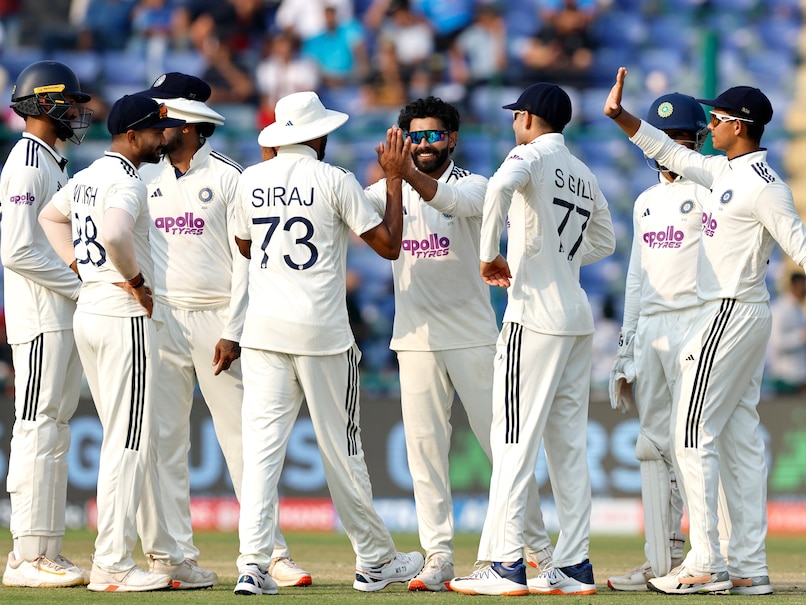
3. Spin Bowling and Pitch Behaviour
Spin bowling can become a major factor as a Test progresses, especially when the pitch develops rough areas or uneven bounce. Spinners try to create uncertainty through changes in flight, pace, angle, and turn. Their effectiveness depends not only on the surface but also on accuracy and the field placements used by the captain.
Indian conditions have traditionally provided opportunities for high-quality spin bowling, but it is inaccurate to assume every Indian pitch turns sharply. Similarly, Caribbean surfaces are not identical and may favour different bowling styles at different stages.
Batters need to identify the bowler’s variations and avoid playing every delivery in the same way. Teams that adapt quickly to the surface and select a balanced bowling attack often give themselves more options as the match develops.
4. Fielding and Catching
Fielding can have a significant impact on a close Test match. Dropped catches, missed run-out opportunities, and misfields can allow opponents to add valuable runs. A single missed chance against an established batter may cost a team an entire session or more.
Close catchers are particularly important when facing spin, while slips and gully fielders can play a major role against fast bowling. Outfielders must also stay alert because batters may take quick singles to rotate the strike and disrupt bowling plans.
Fitness and concentration matter throughout the match. Unlike shorter formats, Test cricket requires fielders to maintain their standards over many hours and several days. Strong fielding helps a team convert pressure into wickets and prevent the opposition from building momentum.
Team Selection and Playing Conditions
Team selection is one of the most important decisions before a Test begins. Coaches and captains must consider the pitch, weather forecast, player fitness, recent performances, and the likely length of the match.
A team playing on a surface expected to support spin may select additional specialist spinners. A pitch offering bounce and seam movement could encourage the selection of extra fast bowlers. All-rounders can provide flexibility by contributing with both bat and ball, although their selection depends on their ability to perform their roles effectively.
The wicketkeeper is another important part of the combination. Reliable glovework helps the bowling attack maintain pressure, particularly when spinners are operating or the ball is moving away from the bat.
|
Match factor |
Why it matters |
|---|---|
|
Pitch condition |
Influences bounce, seam movement, and spin |
|
Weather |
Can affect swing, visibility, and playing time |
|
Team balance |
Determines the available batting and bowling options |
|
Player fitness |
Influences workload and match readiness |
|
Recent form |
Helps assess current performance, without guaranteeing future results |
|
Toss decision |
May influence whether a team bats or bowls first |
The toss can provide an advantage, but it does not determine the result. Captains must weigh the benefits of batting first against the possibility of using favourable bowling conditions early in the game.
How to Follow a West Indies vs India Test Match
Fans who want to understand a match more deeply should follow its progress session by session instead of focusing exclusively on the current score.
Step 1: Check the Match Situation
Start by checking which team is batting, the number of wickets lost, the total score, and the overs completed. In Test cricket, the same score can mean very different things depending on the stage of the match. A team at 150 for two may be well placed to build a large total, while a team at 150 for seven could be approaching the end of its innings.
Step 2: Compare the First-Innings Totals
The first-innings score often provides the foundation for the remainder of a Test. A large total can put pressure on the opposition, but its significance depends on pitch conditions and the time available. A modest score may still be competitive on a difficult surface.
Step 3: Watch Partnerships
Partnerships reveal how effectively batters are managing pressure. A long partnership can stabilise an innings after early wickets, while a quick scoring stand can change the momentum. Pay attention to how the batters rotate the strike, respond to field changes, and handle different bowling styles.
Step 4: Evaluate Bowling Spells
Look beyond the wicket column. A bowler who concedes few runs and repeatedly beats the bat may be creating pressure even without taking wickets. Changes in line, length, field placement, and bowling speed can reveal a captain’s plan.
Step 5: Assess the Remaining Time
The number of sessions remaining affects how aggressively teams need to play. A side trying to force a result on the final day may attack more frequently, while a team protecting a draw may prioritise defence.

The Importance of Current Form and Player Performances
When analysing West Indies vs India Test cricket, recent performances provide useful context. A batter who has scored consistently in recent matches may be confident, while a bowler who has maintained accuracy can become particularly influential in a challenging contest.
However, past results should not be treated as a guarantee. Cricket conditions change, and a player who performs well on one surface may face different challenges on another. Injuries, workload, opposition tactics, and the quality of the bowling or batting attack can all influence individual performance.
Fans should consider several indicators:
-
Batting averages and recent scores, interpreted in context.
-
Wickets taken alongside economy rate and bowling consistency.
-
Performances against different types of bowling.
-
Fitness, workload, and confirmed team selection.
-
Contributions under pressure, including partnerships and lower-order resistance.
A balanced analysis considers the whole team rather than relying on one star player. Test victories commonly result from multiple contributions, including a substantial innings, a decisive bowling spell, and disciplined fielding.
Common Mistakes Fans Should Avoid When Analysing Test Cricket
One common mistake is judging a player entirely by the number of runs or wickets. A batter who scores 35 runs while facing a difficult new-ball spell may have made a valuable contribution. Likewise, a bowler who creates repeated chances without taking wickets may still be performing an important role.
Another mistake is assuming that the team winning the toss will necessarily win the match. Conditions can change, and a strong bowling performance may overcome an early advantage.
Fans should also avoid treating predictions as confirmed outcomes. Pre-match analysis can identify likely strengths and weaknesses, but it cannot account for every event on the field.
Finally, check the date and format of any cricket update. Test cricket, One Day Internationals, and T20 matches have different rules and tactical requirements. A report about a T20 fixture should not be mistaken for information about a Test series.
Why the Rivalry Matters to Indian Cricket Fans
The West Indies vs India Test rivalry offers a valuable way to appreciate cricket’s traditional format. It connects generations of supporters through historic performances while giving new players opportunities to establish themselves at the international level.
For Indian audiences, the contest also highlights the importance of adapting to overseas conditions. Success away from home requires more than technical skill; players must adjust to different pitches, weather, ball behaviour, and opposition strategies. The same challenge applies to West Indies players when competing in India.
Following a series also gives fans an opportunity to understand how teams develop their strategies over multiple matches. Captains may alter bowling combinations, batters may refine their approach, and coaches may respond to weaknesses exposed in earlier games.
The most rewarding way to follow the rivalry is to combine enthusiasm with informed observation. Looking at match conditions, partnerships, bowling plans, and the time remaining provides a more complete understanding of why a Test is moving in a particular direction.
Frequently Asked Questions
1. Why is the West Indies vs India Test rivalry important?
The rivalry brings together two teams with rich cricketing traditions. Their matches showcase different playing styles, competitive batting, varied bowling attacks, and the tactical challenges that make Test cricket distinctive.
2. How long does a West Indies vs India Test match last?
A Test match is scheduled for a maximum of five days. However, it can finish earlier if a result is achieved or the match concludes under the applicable playing conditions. Some matches end in a draw if neither side secures victory within the available time.
3. What factors are most important in a Test match?
Pitch conditions, batting technique, bowling consistency, partnerships, fielding, weather, and time remaining are all important. The relative influence of each factor changes throughout the match.
4. How can fans understand the live Test score?
Fans should look at the total runs, wickets lost, overs completed, innings number, and the opposition’s score. The current session, required runs, available wickets, and remaining time also help explain whether a team is positioned to win, defend, or pursue a draw.
5. How can I check the latest West Indies vs India Test team news?
Check the latest official team announcements and match updates before relying on predicted playing elevens. Confirmed squads, injuries, toss results, and pitch reports can affect the expected balance of the contest. Always verify the fixture date and format because schedules and selections may change.
Conclusion
The West Indies vs India Test rivalry continues to offer cricket fans an opportunity to appreciate skill, patience, tactical awareness, and competitive spirit. Understanding the importance of batting partnerships, fast bowling, spin, fielding, pitch conditions, and match timing makes every session more meaningful.
For Indian cricket followers, the best way to assess a Test match is to look at the bigger picture rather than concentrating on individual statistics alone. Team balance, current form, adaptability, and the ability to perform under pressure all contribute to the final result.
Whether following a five-day contest for its historical significance or analysing the tactical decisions that shape each session, a deeper understanding of Test cricket helps fans enjoy the game beyond the scoreboard.

