
The Indian Premier League continues to be one of the biggest cricket tournaments in the world, combining high-quality T20 cricket, international stars, emerging Indian talent and intense competition between established franchises. The 2026 season delivered another packed campaign, with teams competing across the league stage before the tournament moved into its decisive playoff phase. For fans looking back at the season, the 2026 IPL matches provide plenty of memorable moments, close contests and important performances.
The 2026 campaign began on March 28, with Royal Challengers Bengaluru facing Sunrisers Hyderabad in Bengaluru. The league stage featured 70 matches, with fixtures spread across several major cricket venues in India. The original schedule was released in phases because of state assembly elections, with the first 20 matches announced initially and the remaining league fixtures confirmed afterward.
By the time the league stage ended on May 24, the competition had produced a clear playoff group. Royal Challengers Bengaluru, Gujarat Titans and Sunrisers Hyderabad each finished with 18 points, while Rajasthan Royals secured the fourth playoff position with 16 points. The final standings demonstrated how competitive the league had been, particularly because several teams remained in contention until the closing fixtures.
2026 IPL Matches and the Overall Tournament Format
The 2026 season followed the familiar IPL structure, beginning with the league stage before moving into the playoffs. Each franchise played 14 league matches, creating a long campaign in which consistency was just as important as individual match-winning performances. Teams had to manage different pitches, weather conditions, travel schedules and opposition strategies throughout the competition.
The schedule was particularly interesting because matches were hosted in a wide range of Indian cities. Bengaluru, Mumbai, Chennai, Kolkata, Delhi, Ahmedabad, Hyderabad, Lucknow and Jaipur were among the major venues involved, while New Chandigarh, Dharamshala, Guwahati and Raipur also hosted matches. The official schedule listed afternoon fixtures at 3:30 PM IST and evening fixtures at 7:30 PM IST for the relevant double-header and regular match slots.
This variety added another layer to the tournament. A team that performed well on a batting-friendly surface could face a completely different challenge at a venue offering assistance to fast bowlers or spinners. As a result, the 2026 IPL matches were not simply about having powerful batting line-ups. Adaptability, bowling depth, fielding standards and the ability to handle pressure were equally important.
A Look at the 2026 IPL Schedule
The league campaign was divided into two major scheduling phases. The first phase covered 20 matches from March 28 to April 12, while the remaining 50 league matches were scheduled from April 13 through May 24. This approach allowed the tournament organizers to work around state assembly elections while maintaining the overall structure of the competition.
The opening fixture immediately attracted attention because defending champions Royal Challengers Bengaluru began their campaign against Sunrisers Hyderabad. Mumbai Indians then faced Kolkata Knight Riders in the second match, while Rajasthan Royals and Chennai Super Kings met in Guwahati in the third fixture. The opening weeks established the competitive tone that continued throughout the season.
| Stage | Period | Matches/Teams | Main Focus |
|---|---|---|---|
| League Phase 1 | March 28–April 12 | First 20 matches | Tournament opening and early momentum |
| League Phase 2 | April 13–May 24 | Remaining 50 matches | Playoff qualification race |
| Qualifier 1 | May 26 | Top playoff teams | Direct route toward final |
| Eliminator | May 27 | Lower playoff teams | Survival in playoff race |
| Qualifier 2 | May 29 | Remaining contenders | Final opportunity |
| Final | May 31 | Two finalists | Championship decision |
Teams Competing Throughout the Season
The tournament featured ten established IPL franchises: Royal Challengers Bengaluru, Gujarat Titans, Sunrisers Hyderabad, Rajasthan Royals, Punjab Kings, Delhi Capitals, Kolkata Knight Riders, Chennai Super Kings, Mumbai Indians and Lucknow Super Giants. Every team entered the season with different expectations, squad combinations and strategic priorities.
The league table showed how tightly contested the campaign became. RCB and GT finished on 18 points, while SRH also reached 18 points. Rajasthan Royals followed with 16 points. Punjab Kings finished fifth with 15 points, narrowly missing the playoff positions. Delhi Capitals collected 14 points, while Kolkata Knight Riders finished with 13. Chennai Super Kings recorded 12 points, and Mumbai Indians and Lucknow Super Giants ended the league stage with eight points each.
Such a points table highlights why every league fixture matters. A narrow defeat early in the season can become significant when teams are separated by only a few points at the end. Net run rate can also become important, particularly when several franchises finish with the same number of victories.
The Importance of Home and Away Conditions
One of the most interesting elements of the 2026 IPL matches was the geographical variety of the competition. Teams had to travel between venues with different pitch characteristics and environmental conditions. A successful franchise therefore needed more than a fixed playing strategy.
For example, teams playing in Bengaluru had to consider the characteristics of a venue known for producing high-scoring T20 contests, while matches in Chennai often encouraged teams to think carefully about spin and pace variation. Conditions in northern venues such as Dharamshala could provide a different challenge, especially for teams attempting to balance batting aggression with bowling control.
Home advantage also remained an important part of the IPL experience. Supporters bring considerable energy to matches, and teams often build tactical plans around their familiarity with particular surfaces. At the same time, successful sides need to collect points away from home because relying entirely on home fixtures can make qualification difficult.
Key League-Stage Storylines
The league stage of the 2026 season produced several important storylines. One of the biggest was the performance of the teams that ultimately occupied the top three positions. RCB, Gujarat Titans and Sunrisers Hyderabad all reached 18 points, showing remarkable consistency across 14 matches.

Rajasthan Royals also played an important role in shaping the playoff picture. Their victory over Mumbai Indians in Match 69 secured the final playoff position, with Rajasthan reaching 16 points. The result demonstrated the importance of performing under pressure during the closing days of the league stage.
At the other end of the table, several well-known franchises struggled to maintain consistency. Mumbai Indians finished with four wins and ten losses, while Lucknow Super Giants also recorded four victories. Chennai Super Kings finished with six wins, but that was not enough to push them into the playoff places.
These contrasting outcomes made the tournament especially engaging. A team can have world-class players and still struggle if performances do not come together consistently. Conversely, a well-balanced squad can remain competitive even without dominating every individual match.
Playoff Qualification and the Road to the Final
Once the league stage ended, the tournament moved into its most intense period. The playoff structure gave the top teams additional opportunities while keeping the competition alive for the other qualified franchises. The playoff venues included Dharamshala, New Chandigarh and Ahmedabad, creating a different atmosphere from the long league campaign.
The first qualifier was scheduled between the top two sides, while the eliminator gave the lower-ranked playoff teams a direct knockout challenge. Qualifier 2 then determined the second finalist. The final was ultimately held on May 31 at the Narendra Modi Stadium in Ahmedabad.
This structure is one reason IPL playoffs attract so much attention. A team can finish strongly in the league and receive a valuable advantage, while another franchise must survive a knockout match to continue. The pressure increases dramatically because one poor performance can bring an entire season to an end.
The 2026 IPL Final
The final provided a fitting conclusion to the tournament. Royal Challengers Bengaluru faced Gujarat Titans at the Narendra Modi Stadium in Ahmedabad on May 31. Gujarat Titans scored 155/8 from their 20 overs, setting RCB a target of 156. Royal Challengers Bengaluru successfully chased the total, reaching 161/5 in 18 overs to win by five wickets.
Virat Kohli played a major role in the final, scoring 75 from 42 deliveries and being named Player of the Match. The victory gave RCB their second IPL title and made them only the third franchise, after Chennai Super Kings and Mumbai Indians, to retain the IPL championship.
The final also demonstrated the importance of pressure management. Gujarat Titans had posted a competitive total, but RCB’s chase remained controlled enough to finish with 12 deliveries remaining. The result turned the final into another significant chapter in the franchise’s IPL history.
Why the 2026 Season Stood Out
The 2026 IPL matches were notable because the competition remained open for much of the league stage. The final points table showed three teams tied on 18 points and another finishing on 16, while Punjab Kings were only one point behind the fourth-placed side.
Another important feature was the balance between experienced international cricketers and younger players. IPL teams continue to use the tournament as a platform for emerging talent, while established players provide tactical knowledge and experience during pressure situations. This combination creates opportunities for unexpected match-winners to emerge.
The season also showed how modern T20 cricket increasingly depends on flexibility. Batters need to adapt their scoring methods according to match situations, while bowlers must change lengths and plans quickly. Captains are required to make decisions about bowling changes, field placements and batting orders within a very short period.
What Fans Can Learn from the 2026 IPL Campaign
For cricket followers, the 2026 IPL matches offer more than entertainment. The season provides a useful example of how T20 cricket has evolved into a game of rapid decision-making. Teams constantly evaluate match situations rather than following one fixed strategy from beginning to end.
A few lessons stand out from the campaign:
- Consistency across 14 league games remains essential.
- Net run rate can become valuable in a closely contested table.
- Squad depth matters during a long tournament.
- Adaptability is crucial when playing at different venues.
- Pressure handling becomes increasingly important during playoffs.
These lessons are useful for understanding why some teams remain competitive throughout the season while others experience significant swings in form.
The Role of Venues in IPL Matches
Cricket venues have always influenced the character of IPL games. Pitch conditions, ground dimensions, weather and crowd support can all affect tactical decisions. In a tournament involving numerous cities, teams cannot expect every match to follow the same pattern.
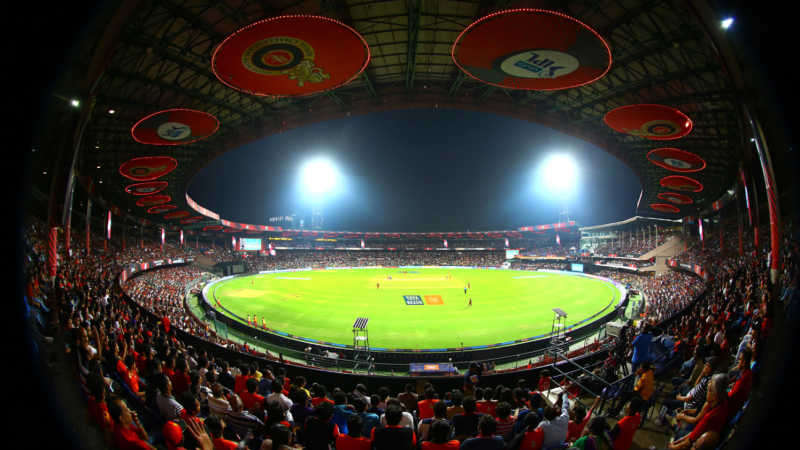
The 2026 schedule covered 12 venues during the second phase alone, according to the tournament organizers. This included Bengaluru, Mumbai, Chennai, Kolkata, Delhi, Ahmedabad, Hyderabad, Lucknow, Jaipur, Dharamshala, Raipur and New Chandigarh.
This geographical spread also helped bring IPL cricket to different audiences. Supporters in each city had the opportunity to watch their home franchise or visiting teams in a major professional cricket environment. For players, adapting to these venues became part of the challenge.
Looking Back at the Season
By the end of the campaign, the tournament had produced a clear champion and a memorable collection of league and playoff contests. RCB’s successful title defence became the defining achievement of the season, while Gujarat Titans and Sunrisers Hyderabad also demonstrated the consistency required to finish among the leading teams.
The league stage also reinforced the unpredictable nature of T20 cricket. A franchise can dominate one week and struggle the next because small moments frequently determine outcomes. A dropped catch, an economical spell, a late batting partnership or an aggressive powerplay can completely change the direction of a match.
For fans researching the 2026 IPL matches after the season, the campaign provides an excellent snapshot of modern franchise cricket. It combines long-term league consistency with the sudden pressure of knockout cricket, creating a format in which every stage has its own demands.
Conclusion
The 2026 IPL season delivered another compelling chapter in the history of Indian T20 cricket. From the opening match in Bengaluru to the final in Ahmedabad, the tournament combined packed schedules, competitive league fixtures, changing venue conditions and high-pressure playoff cricket. The final standings showed just how closely several teams competed, while the championship result gave Royal Challengers Bengaluru another landmark moment. The 2026 IPL matches will ultimately be remembered for RCB’s successful title defence, the three-way 18-point finish at the top of the league table and Rajasthan Royals’ late qualification for the playoffs. The season also highlighted the importance of consistency, tactical flexibility and composure under pressure.

