
West Indies vs India is one of the most fascinating matchups in international cricket, bringing together two teams with rich histories, passionate supporters, and different cricketing traditions. From the dominance of the West Indies during the golden era of Test cricket to India’s rise as a powerful force across all formats, this rivalry has produced memorable performances, exciting contests, and outstanding individual achievements.
For Indian cricket fans, an India-West Indies match offers an opportunity to follow experienced international players, emerging talents, tactical battles, and the evolution of modern cricket. Whether the contest takes place in India or the Caribbean, conditions often play an important role in determining how the game unfolds.
This article explores the history of West Indies vs India, the importance of Test cricket, key players, playing conditions, team strategies, and the factors fans should consider when analysing an upcoming match.
History of West Indies vs India
India and the West Indies have shared a competitive international cricket relationship for decades. Their early encounters helped establish a rivalry that grew alongside the development of Indian cricket and the emergence of the West Indies as a dominant international side.
During the 1970s and 1980s, West Indies cricket became famous for its powerful batting, exceptional fast bowlers, and remarkable consistency. Players such as Viv Richards, Clive Lloyd, Malcolm Marshall, and Gordon Greenidge helped establish the Caribbean team’s reputation as one of the strongest sides in the world.
India gradually developed its own identity through technically gifted batters, skilled spinners, and disciplined bowling attacks. The team became particularly competitive at home, where its knowledge of local pitches and ability to use spin bowling often provided an advantage.
Over time, India’s international success expanded across overseas tours and major tournaments. The West Indies also continued producing exciting cricketers, including influential batters and powerful all-rounders. Although the balance of power has changed across different periods, matches between these teams remain an important part of international cricket.
West Indies vs India in Test Cricket
Test cricket is the longest format of the game and offers a different challenge from One Day Internationals and T20 cricket. Each team generally has two innings, and a match can last up to five days. Patience, technique, fitness, and tactical decision-making are essential.
In a West Indies vs India Test match, the contest often depends on how effectively each side adapts to the pitch, weather, and changing conditions. Batters must balance defensive discipline with opportunities to score, while bowlers need to create pressure over extended periods.
India traditionally benefits from its depth in spin bowling and its familiarity with home conditions. In the Caribbean, however, the nature of the surface, humidity, and movement available to fast bowlers can create different challenges.
Why Test cricket remains important
Test cricket examines a player’s ability to perform under sustained pressure. A batter might need to defend for several sessions, while a bowler must maintain accuracy even when wickets are difficult to obtain.
The format also rewards strategic thinking. Captains must decide when to attack, when to protect runs, how to rotate bowlers, and when to declare an innings. These decisions can influence the outcome as much as individual brilliance.
For supporters following India vs West Indies Test cricket, understanding these tactical elements makes the game more engaging. A slow-scoring partnership, a spell of accurate bowling, or a carefully timed declaration can become a defining moment.
Key Players and Match-Winning Contributions
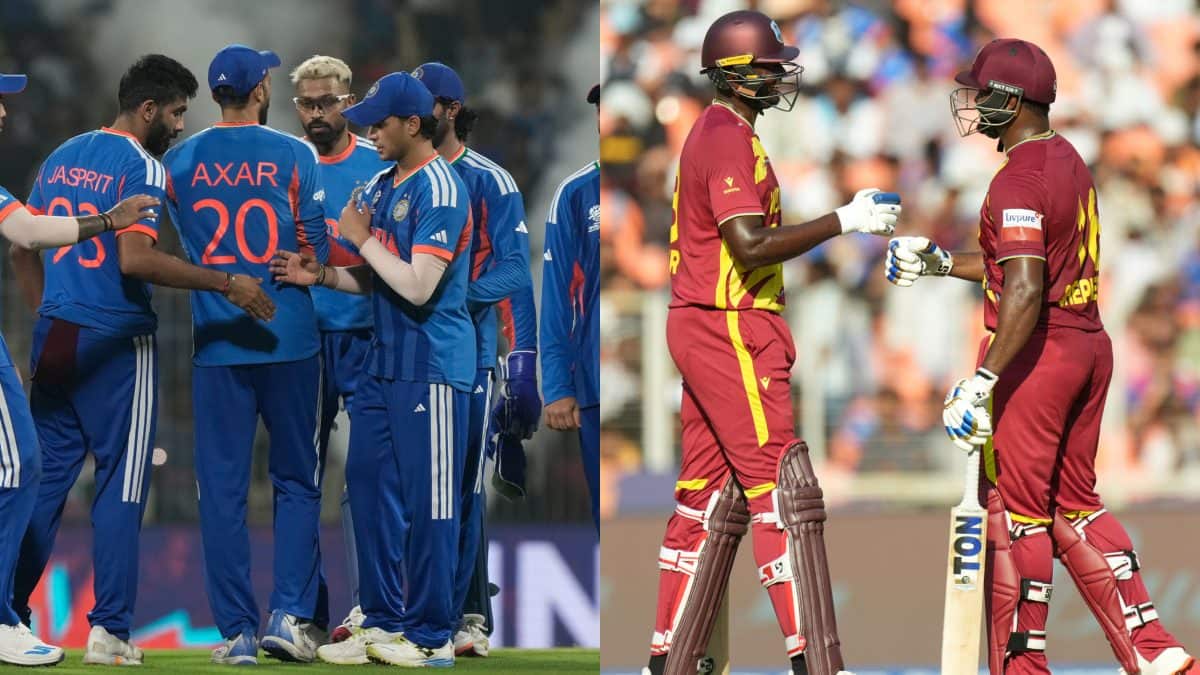
Individual performances have always played an important role in this rivalry. While team balance and preparation matter, exceptional players can change a match through their batting, bowling, fielding, or leadership.
India’s batting strength
Indian cricket has produced technically accomplished batters who can adapt to different conditions. In Test matches, top-order players are expected to handle the new ball, build partnerships, and protect the team from early wickets.
Middle-order batters often provide stability when the opposition has gained momentum. Their ability to counter-attack without taking unnecessary risks can help India recover from difficult situations.
When evaluating India’s batting lineup, fans should consider recent form, performance against pace and spin, experience overseas, and the team’s ability to build long partnerships. These factors are often more useful than relying solely on a player’s reputation.
West Indies’ batting approach
West Indies cricket has historically been associated with aggressive stroke play and physically powerful batters. Modern Caribbean players continue to bring different strengths, including attacking intent, adaptability, and the ability to accelerate scoring when conditions allow.
In Test cricket, however, aggression must be supported by sound technique and judgment. Batters who leave the ball well, select scoring opportunities carefully, and maintain concentration can put pressure on the Indian bowling attack.
A strong West Indies batting performance may depend on the top order establishing a solid foundation before the middle order looks to increase the scoring rate.
The importance of bowling attacks
Bowling is often decisive in Test cricket because a team must dismiss the opposition twice to secure an outright victory, unless other match conditions determine the result.
India’s bowling resources can include fast bowlers who exploit movement and bounce, along with spinners who challenge batters through changes in flight, pace, and turn. West Indies can counter with pace, seam movement, and disciplined lines.
The most effective bowling unit is not necessarily the one with the fastest deliveries. Consistent accuracy, intelligent field placement, sustained pressure, and timely breakthroughs are equally important.
Pitch Conditions and Their Impact
Pitch conditions influence almost every tactical decision in a Test match. Before analysing West Indies vs India, supporters should understand the differences between Indian and Caribbean playing surfaces.
Playing in India
Indian pitches vary considerably between venues. Some surfaces offer assistance to spinners as a match progresses, while others provide early movement for seamers or remain relatively balanced for batting.
Teams playing in India must prepare for changing conditions. Batters need to handle spin, use their feet effectively, and avoid playing too far away from their bodies. Bowlers must understand when to attack the stumps and when to create pressure through defensive fields.
The toss may influence early decisions, but its importance depends on the surface, weather, and expected match progression.
Playing in the Caribbean
Caribbean conditions are not identical across every venue. Some pitches offer bounce and pace, while others may be slower or provide less movement than expected. Weather conditions can also influence the amount of swing available to fast bowlers.
Indian players touring the Caribbean need to adjust their techniques and avoid assuming that every pitch will behave the same way. West Indies players must similarly adapt when playing on Indian surfaces that offer different challenges.
For fans, checking the venue and understanding its characteristics can provide useful context when assessing team selections and likely match strategies.
Team Strategies in a Test Match
A successful Test strategy involves more than selecting talented players. Teams must develop a plan for each innings and adapt when the match situation changes.
Building a strong first innings
A substantial first-innings total can provide a team with greater control over the match. Openers need to negotiate the new ball, while the middle order must convert starts into meaningful contributions.
Batting collapses can quickly reverse a team’s position. Therefore, maintaining partnerships and avoiding unnecessary risks are important priorities.
Creating pressure with the ball
Bowlers can build pressure by targeting consistent areas, limiting easy scoring opportunities, and forcing batters to play deliveries outside their preferred scoring zones.
Captains must also rotate bowlers carefully. Long spells may help maintain rhythm, but fresh bowlers can create new challenges when conditions change.
Managing declarations and match time
Declarations are an important part of Test strategy. A captain must balance the desire to establish a commanding lead with the need to leave enough time to dismiss the opposition.
Weather forecasts, the remaining match time, pitch deterioration, and the current run rate can all influence this decision. Good captaincy requires flexibility rather than following a fixed plan regardless of circumstances.
How to Analyse West Indies vs India Before a Match
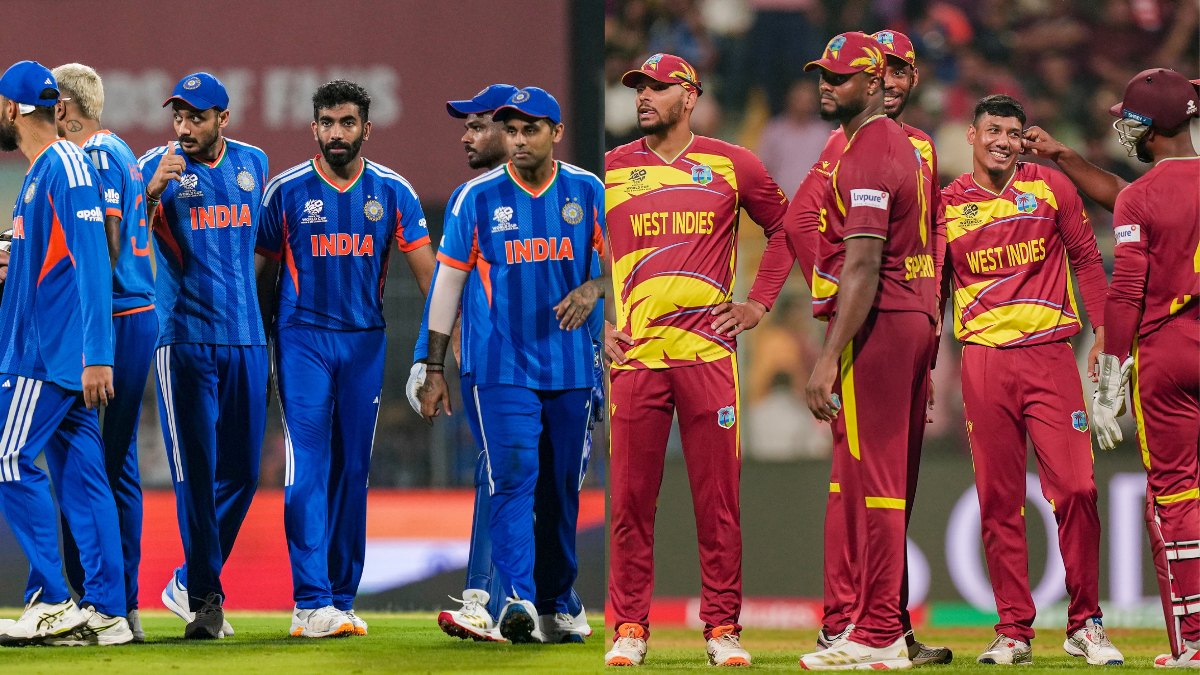
Fans who want to understand an upcoming contest should examine several factors instead of relying on predictions alone.
- Recent team form: Review performances in recent matches and identify whether the teams have been consistent with the bat and ball.
- Squad selection: Check which players are available and whether the team has a balanced combination of batters, pace bowlers, spinners, and all-rounders.
- Venue conditions: Consider the pitch report, weather forecast, and historical characteristics of the ground.
- Player matchups: Examine how individual batters have handled particular bowling styles and whether bowlers can exploit weaknesses.
- Fitness and workload: Consider whether key players are fully fit and prepared for the demands of a multi-day contest.
- Match situation: Once play begins, reassess the contest using the score, wickets remaining, overs bowled, and time left.
These points provide a practical framework for understanding the game. They also help fans distinguish informed analysis from unsupported predictions.
Following the Match and Understanding the Scorecard
For Indian audiences, following a Test match can involve live television coverage, radio commentary, digital scorecards, and match summaries. The most useful source depends on whether a fan wants ball-by-ball information, expert analysis, or a broader overview.
A Test scorecard generally includes runs scored, balls faced, boundaries, dismissals, bowling figures, extras, and innings totals. It may also display the current run rate, partnership details, and the number of overs completed.
Understanding these figures helps fans assess whether a team is scoring quickly, losing wickets too frequently, or building a stable innings. Bowling figures can reveal which players are creating pressure, even when they have not taken many wickets.
Fans should distinguish between a live score, a completed result, and a preview of a future match. Team selections, start times, venues, and playing conditions can change, so match-specific details should be checked against current official announcements.
Common Mistakes Fans Should Avoid
One common mistake is judging a Test match solely by the number of runs scored. A batter making a patient contribution on a difficult surface may provide considerable value even without reaching a century.
Another mistake is assuming that the team winning the toss will automatically win the match. The toss can influence strategy, but execution across multiple sessions is usually more important.
Fans should also avoid treating historical records as a guarantee of future results. Past performances provide context, but current form, player availability, conditions, and team combinations all matter.
Finally, it is important not to confuse Test cricket with limited-overs formats. A strategy that works in a T20 match may be unsuitable for a five-day contest. Test cricket rewards patience, discipline, and the ability to adapt over time.
Frequently Asked Questions
1. Why is West Indies vs India an important cricket rivalry?
The rivalry brings together two teams with rich cricketing traditions. Their encounters have featured legendary players, competitive Test matches, memorable batting performances, and contrasting bowling styles.
2. What makes India vs West Indies Test cricket different from T20 cricket?
Test cricket can last up to five days and gives each team two innings under standard playing conditions. It rewards patience, technique, tactical planning, and sustained bowling, whereas T20 cricket prioritises scoring quickly within a limited number of overs.
3. Which factors influence a West Indies vs India match result?
Important factors include player form, team selection, pitch conditions, bowling quality, batting partnerships, fielding, fitness, and captaincy. Weather and the remaining match time can also influence the result of a Test.
4. How can fans follow West Indies vs India live scores?
Fans can follow live scores through television coverage, official cricket scorecards, radio commentary, and recognised sports news platforms. For accurate match details, they should check the latest information from official cricket authorities and broadcasters.
5. Where can fans find the latest West Indies vs India team news?
Fans should check official team announcements, match previews, squad updates, and playing XI confirmations. These sources can help them verify player availability, match timings, venues, and other important details before the game.
Conclusion
West Indies vs India remains an engaging international cricket rivalry because of its history, talented players, tactical variety, and the different challenges presented by Indian and Caribbean conditions. Test matches between these teams offer a particularly interesting examination of batting technique, bowling discipline, captaincy, and the ability to perform under sustained pressure.
For Indian cricket fans, understanding pitch conditions, recent team form, player matchups, and match situations makes following the contest more rewarding. Rather than focusing only on star players or historical records, supporters should consider the complete team performance and the circumstances in which the match is played.
Whether watching a Test match, following live scores, or reading a match preview, informed analysis helps fans appreciate the finer details of the game. Every West Indies vs India contest provides another opportunity to experience the skill, strategy, and excitement that make international cricket special.

