
Indian athletics has developed into an increasingly important part of the country’s sporting landscape. For decades, track and field represented one of India’s largest pools of sporting talent, with athletes competing across running, jumping, throwing, race walking, and combined events. While cricket has traditionally received enormous public attention, athletics continues to provide a different pathway for athletes who rely primarily on speed, endurance, strength, technique, and physical conditioning. From school-level competitions to international championships, the sport has created opportunities for competitors from a wide range of backgrounds.
The modern story of indian athletics is particularly interesting because the sport has experienced a gradual transformation in training, competition exposure, sports science, and professional support. Indian athletes now compete more frequently at major international meetings and championships, giving them valuable experience against competitors from established athletics nations. Improved coaching systems, access to specialist facilities, better understanding of recovery, and greater attention to nutrition have also contributed to the changing environment.
The progress has not been limited to one discipline. Indian competitors have produced notable performances in javelin throw, long jump, race walking, middle-distance running, sprinting, and other events. The emergence of athletes capable of competing successfully at the highest level has also encouraged younger competitors to view athletics as a serious career rather than simply a school or university activity.
The Evolution of Indian Athletics
The development of indian athletics can be understood through several different phases. Earlier generations often had to compete with limited access to sophisticated training facilities, international competition, sports medicine, and specialized equipment. Many athletes depended heavily on determination and traditional coaching methods. Although talented competitors achieved important results, the overall system lacked some of the professional structures that are common in leading athletics nations.
Over time, athletics in India began benefiting from improved sporting infrastructure and stronger institutional support. National championships, university competitions, military sporting programs, railway teams, state-level academies, and government-supported training centers became important parts of the competitive pathway. These systems gave promising athletes opportunities to train and compete while developing the discipline required for high-level sport.
International exposure has been another major factor. Competing abroad allows athletes to experience different track conditions, climates, competition formats, and tactical approaches. It also helps coaches identify areas that require improvement. A promising performance at a domestic competition can therefore become the beginning of a much longer development process rather than an isolated achievement.
Major Disciplines Within Indian Athletics
Athletics is much broader than running alone. The sport includes track events, field events, and combined disciplines, each requiring different physical and technical characteristics. A 100-meter sprinter needs explosive acceleration and refined running mechanics, while a marathon runner requires exceptional endurance and efficient energy management. Similarly, a javelin thrower needs speed, strength, coordination, and highly developed throwing technique.
India has developed athletes across several of these categories. Field events have attracted considerable attention because individual competitors can build specialized training programs around technique and strength. Throwing events, in particular, require athletes to combine physical power with precise movement patterns. Jumping events involve speed, coordination, body control, and the ability to generate maximum force during a very short phase of movement.
Track events present their own challenges. Sprinters must optimize acceleration, stride mechanics, reaction time, and top speed. Middle-distance athletes have to balance pace with endurance and tactical awareness. Long-distance competitors require careful management of training volume, recovery, nutrition, and race strategy. This diversity makes indian athletics a broad sporting ecosystem rather than a single competitive category.
The Rise of Javelin and Field Events
Javelin throw has become one of the most recognizable areas of Indian athletics. The event combines speed, explosive power, flexibility, balance, and technical precision. A successful throw is not simply a demonstration of strength. The athlete must generate momentum through the run-up, transfer that momentum efficiently through the body, and release the javelin at an effective angle and speed.
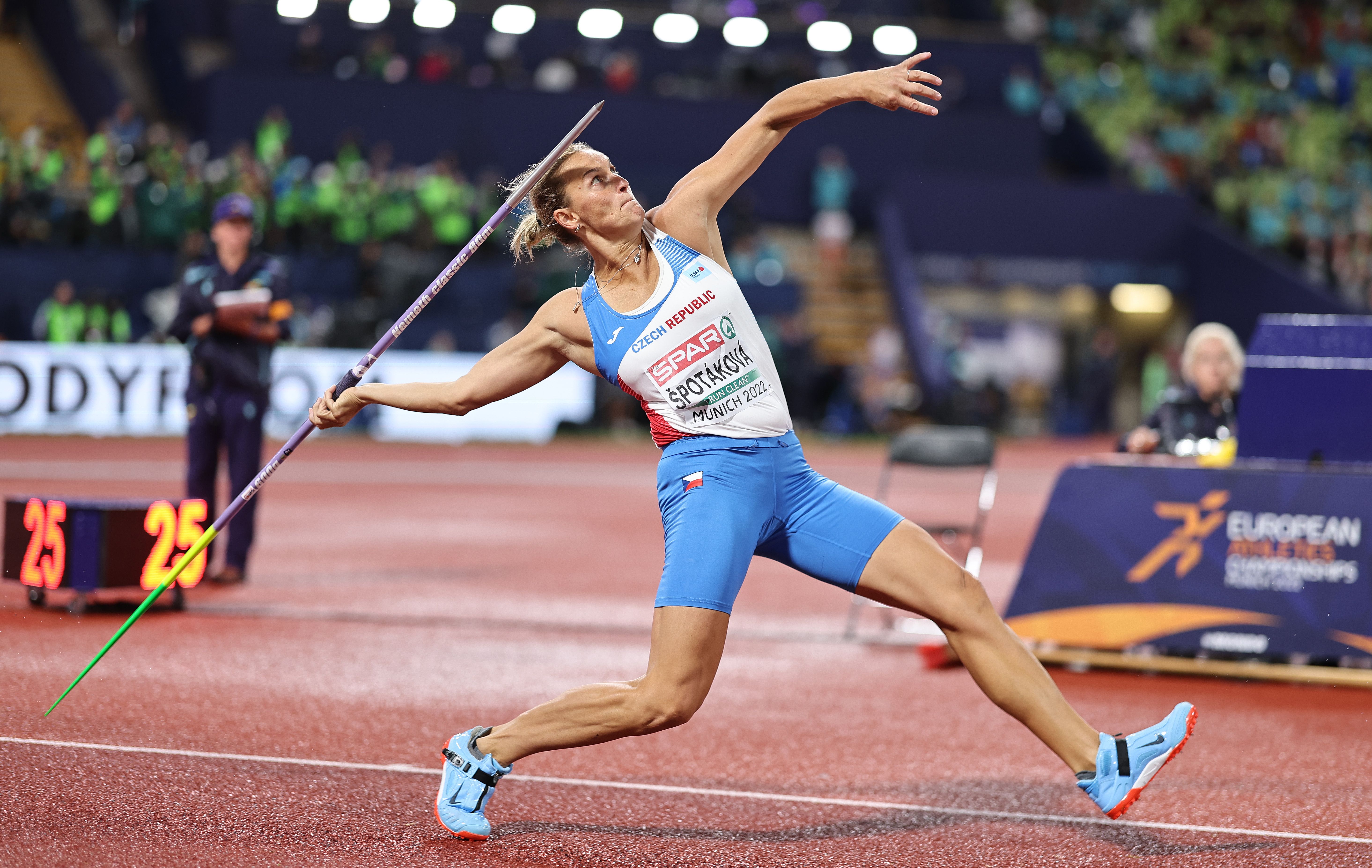
The international success of Indian javelin competitors has increased public interest in other field events as well. Young athletes who may previously have focused exclusively on popular team sports now have visible examples of competitors building professional careers through athletics. This can have a broader effect because sporting success often influences participation at grassroots level.
The growing profile of field events also demonstrates why specialized coaching matters. Throwing technique, biomechanics, strength development, injury prevention, and recovery all need to be managed carefully. A talented young athlete cannot simply increase training intensity indefinitely. Long-term development requires a structured approach that allows physical capabilities to grow without placing unnecessary stress on the body.
Women in Indian Athletics
Women’s participation has become an important part of the country’s athletics story. Female athletes have competed successfully across sprinting, middle-distance running, long-distance events, race walking, jumping, and throwing disciplines. Their achievements have helped challenge the idea that athletics is primarily a male sporting field.
The growth of women’s athletics also depends on factors beyond competition results. Access to safe training environments, qualified coaching, appropriate nutrition, education, medical support, and opportunities to participate in competitions can significantly affect an athlete’s development. When these conditions are available consistently, young women are more likely to continue participating as they move from school competition toward elite sport.
Another important development is visibility. When successful women athletes receive recognition, they provide younger competitors with realistic examples of sporting careers. This creates a cycle in which achievement encourages participation, participation expands the talent pool, and a larger talent pool increases the possibility of future international success.
Grassroots Development and Young Athletes
The future of indian athletics depends heavily on grassroots development. Schools are often the first place where children encounter organized athletics. Simple competitions involving running, jumping, and throwing can reveal natural ability at an early age. However, identifying talent is only the first step. Young athletes need appropriate coaching and progressive training to turn potential into performance.
Grassroots programs are most effective when they focus on long-term athletic development rather than demanding elite-level results from children too early. Young competitors should gradually learn running mechanics, coordination, mobility, strength, recovery habits, and competition skills. Excessive training loads at an early age can create physical and psychological problems, so development must be carefully managed.
Several factors are especially important when building a strong pathway for young athletes:
- Qualified coaches who understand age-appropriate development.
- Regular competitions that provide meaningful experience.
- Access to suitable tracks, fields, equipment, and recovery facilities.
- Basic education about nutrition, sleep, injury prevention, and training.
- Long-term progression rather than pressure for immediate results.
A strong grassroots system can also help identify athletes from smaller towns and rural areas. Talent is not restricted to major metropolitan centers, and athletics has historically provided opportunities for competitors from diverse regions. Better scouting and competition networks can therefore expand the country’s overall talent base.
Training and Sports Science
Modern athletics increasingly depends on sports science. Elite performance is influenced not only by natural ability but also by how effectively training is planned and monitored. Coaches and support teams can analyze running mechanics, strength levels, workload, recovery, nutrition, sleep, and competition schedules to create more individualized programs.
Strength and conditioning has become particularly important. Sprinters, jumpers, and throwers require explosive strength, while endurance athletes need carefully structured conditioning. Mobility and stability exercises can help athletes maintain movement quality, while recovery strategies help them handle demanding training cycles.
Sports science also contributes to injury prevention. Athletics involves repetitive movements and high physical loads, so athletes may experience problems involving muscles, tendons, joints, or bones. Monitoring training intensity and responding early to warning signs can reduce the risk of a minor issue becoming a serious interruption to an athlete’s season.
Key Areas Shaping Modern Athletics
| Area | Importance for Athletes | Long-Term Impact |
|---|---|---|
| Coaching | Improves technique and training structure | More consistent athlete development |
| Sports science | Helps measure performance and workload | Better preparation and recovery |
| Nutrition | Supports energy, strength, and recovery | Improved training capacity |
| Infrastructure | Provides suitable environments for practice | Wider access to quality training |
| Competition exposure | Builds experience under pressure | Greater international readiness |
International Competition and Exposure
International competition plays a major role in developing elite athletes. Domestic success provides confidence, but athletes eventually need to compete against competitors with different styles, training backgrounds, and levels of experience. Major championships can also teach lessons that cannot be replicated during ordinary training sessions.
An athlete may perform exceptionally well at home but encounter different challenges abroad. Weather, travel, time-zone changes, track conditions, competition schedules, and unfamiliar opponents can all influence performance. Learning to manage these factors is part of becoming an experienced international competitor.
For indian athletics, regular international participation can therefore be viewed as an important component of long-term development. Athletes gain competitive knowledge while coaches receive opportunities to observe global standards. Over time, this exchange can contribute to better preparation and more realistic performance targets.
Challenges Facing the Sport
Despite its progress, athletics continues to face challenges. One issue is the uneven availability of high-quality infrastructure. Some athletes have access to specialist facilities and experienced support teams, while others may train with limited resources. This difference can influence how quickly promising competitors progress.
Financial stability is another consideration. Elite athletics involves expenses related to coaching, travel, equipment, nutrition, medical care, and competition participation. Athletes need sustainable support to maintain a high-performance lifestyle over several years. A single successful season does not necessarily guarantee long-term stability.
There is also the challenge of maintaining depth across disciplines. Producing one internationally successful athlete can attract attention, but a strong national system needs multiple competitors capable of progressing through each age group. Consistent development requires patience because elite performance often takes years of structured training.
The Role of Major Competitions
National and international championships provide important milestones for athletes. Domestic competitions allow competitors to measure themselves against the country’s strongest field, while international events provide a much broader benchmark. Asian competitions are particularly significant because they place Indian athletes in regular competition with strong programs from across the continent.
Global championships and multi-sport events carry additional importance because athletes must perform under intense pressure. Qualification standards, competition schedules, and the presence of experienced international opponents can make these events very different from ordinary meets. An athlete’s ability to remain focused and execute technique under pressure can become just as important as their physical preparation.
These competitions also influence the popularity of indian athletics. When audiences see Indian athletes competing for medals or producing strong performances on major stages, awareness of less-publicized disciplines can increase. Young spectators may become interested in events they had previously known very little about.
The Future of Indian Athletics
The next phase of development is likely to depend on consistency rather than isolated breakthroughs. India has already demonstrated that athletes can reach the highest levels in particular disciplines. The broader challenge is creating a system that can repeatedly produce competitors across a larger range of events.
Technology is expected to play a growing role. Performance tracking, video analysis, wearable devices, recovery monitoring, and data-driven training can help coaches make more informed decisions. However, technology works best when combined with experienced coaching rather than replacing human judgment. Athletes still need individualized guidance because two competitors with similar performance numbers may respond differently to the same training program.
Another promising area is the connection between schools, universities, academies, clubs, and elite training centers. A clear pathway can reduce the likelihood of talented athletes disappearing from competitive sport during important transition periods. Better communication between these stages can help athletes move from promising beginners to experienced competitors.
Building a Stronger Athletics Culture
A stronger athletics culture requires more than producing medal winners. It involves making running, jumping, throwing, and fitness activities accessible to a wider population. Community competitions, school meets, university events, and local athletics clubs can all contribute to participation.
Media coverage also has an important role. Athletics can be technically complex, so explaining events in an accessible way can help new audiences understand why certain performances are remarkable. Stories about preparation, technique, setbacks, and progression can make the sport more relatable and encourage greater interest.
Ultimately, the long-term strength of indian athletics will depend on creating opportunities at every stage. Children need opportunities to discover sport, teenagers need structured development, emerging athletes need quality competitions, and elite competitors need professional support. A connected system gives talent a better chance of reaching its potential.
Conclusion
Indian athletics has moved through a significant period of development, with greater international exposure, improved training practices, stronger specialist coaching, and increased recognition for successful competitors. The growth of events such as javelin throw, along with continued participation in running, jumping, race walking, and other disciplines, demonstrates the breadth of talent available across the country. The future will depend on how effectively that talent is identified and developed. Better grassroots programs, modern infrastructure, sports science, qualified coaches, international competition, athlete welfare, and sustainable financial support can all contribute to continued progress. At the same time, development should remain focused on long-term athlete health and performance rather than short-term results.

