
The Indian Premier League remains one of the biggest spectacles in T20 cricket, combining world-class players, emerging talent, intense rivalries and high-pressure finishes. Every season brings a different storyline, and the 2026 campaign delivered plenty of memorable moments across the league stage and playoffs. With ten teams competing in a 74-match tournament, supporters followed the action from the opening game through the championship match, with the standings changing repeatedly as teams fought for playoff positions.
The 2026 season also showed why IPL matches are so difficult to predict. Strong batting performances, aggressive powerplay cricket, variations in bowling plans and changing pitch conditions all influenced results. Some games were dominated by huge totals, while others were decided by disciplined bowling or successful chases. By the end of the campaign, Royal Challengers Bengaluru emerged as champions after defeating Gujarat Titans in the final, completing another memorable season of T20 cricket.
What Made IPL Matches 2026 Special?
The 2026 tournament featured 10 franchises and 74 matches, beginning in late March and concluding on May 31. The competition travelled across multiple Indian venues, giving teams different challenges depending on pitch characteristics, boundaries, weather and home conditions. The schedule included regular league fixtures followed by the playoff stage, creating a gradual increase in pressure as the tournament approached its decisive matches. IPL
One of the biggest attractions was the balance between experienced international stars and younger Indian players. The season produced several high-scoring contests, close finishes and dominant bowling displays. Rather than relying entirely on established names, teams increasingly benefited from young players capable of changing the direction of a match within a few overs. That mixture of experience and youth helped make the competition unpredictable and entertaining.
How the 2026 IPL Season Developed
The league stage began with Royal Challengers Bengaluru facing Sunrisers Hyderabad on March 28. RCB won the opening match by six wickets after chasing 202 runs, immediately setting the tone for a season in which aggressive batting remained a major feature. The following fixture saw Mumbai Indians defeat Kolkata Knight Riders in another high-scoring contest, showing how quickly momentum could shift between teams.
As the competition progressed, the standings became increasingly competitive. Several franchises remained within reach of the playoff positions for long periods, meaning that individual wins became extremely valuable. Teams had to manage injuries, form, bowling combinations and batting depth while adapting to different venues. The ability to recover after defeats became just as important as starting the tournament strongly.
The middle phase of IPL matches produced several particularly high-scoring encounters. Sunrisers Hyderabad defeated Mumbai Indians after chasing 244, while other matches involved totals above 220. These contests demonstrated the importance of maintaining scoring momentum throughout the innings rather than depending only on the final few overs.
Key Teams and Their Performances
The 2026 season featured ten franchises, each bringing a different combination of batting styles, bowling resources and tactical approaches. RCB ultimately finished the league phase with nine wins from 14 matches and 18 points, while Gujarat Titans and Sunrisers Hyderabad also recorded nine victories. The close nature of the standings meant net run rate and late-season form became important factors in determining playoff positions.
Royal Challengers Bengaluru were particularly impressive when the pressure increased. After reaching the playoffs, they produced a commanding performance against Gujarat Titans in Qualifier 1, scoring 254/5 and dismissing their opponents for 162. The 92-run victory sent RCB directly into the final and gave them considerable momentum heading into the championship match.
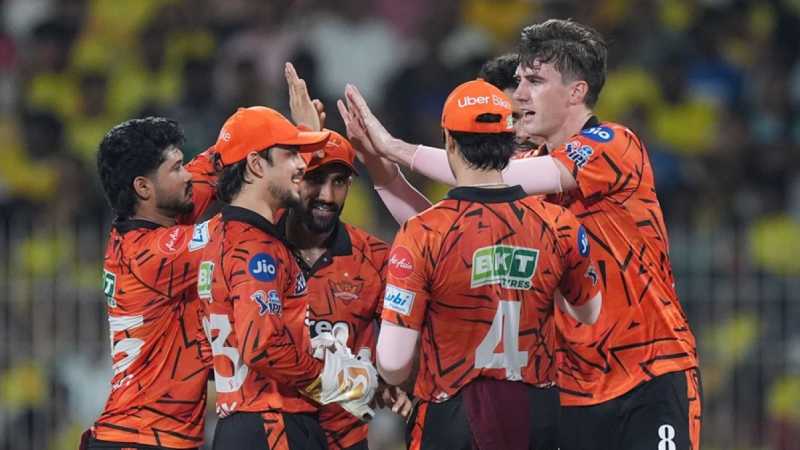
Gujarat Titans also enjoyed an excellent campaign and demonstrated their ability to bounce back. After losing Qualifier 1, they defeated Rajasthan Royals in Qualifier 2 to earn another opportunity in the final. Rajasthan, meanwhile, produced an impressive Eliminator performance against Sunrisers Hyderabad, scoring 243/8 before winning by 47 runs. These playoff contests illustrated how quickly the tournament could change once the margin for error disappeared.
The Importance of Batting Depth
Modern T20 cricket increasingly rewards teams that possess batting depth beyond the traditional top three or four players. During the 2026 campaign, several teams demonstrated that lower-order contributions could dramatically influence results. A strong middle order allows a side to recover after early wickets and accelerate during the final overs.
Batting depth is particularly valuable when chasing a challenging total. Instead of requiring one batter to play an almost perfect innings, a team can distribute responsibility across several players. This approach also allows aggressive top-order batters to attack without being overly concerned about preserving wickets for the entire innings.
Bowling Strategy in High-Pressure Games
Although T20 cricket is often associated with sixes and rapid scoring, successful teams still need a versatile bowling attack. Fast bowlers must be capable of using variations at the death, while spinners need to control the middle overs and prevent batters from building uninterrupted momentum.
The best IPL matches frequently demonstrate how a bowling unit can change a result even after conceding a substantial total. Yorkers, slower deliveries, wide lines, hard lengths and well-disguised variations can force batters into mistakes. Captaincy also becomes important because the timing of bowling changes can influence the outcome of an entire innings.
Major Results from the 2026 Season
The following table highlights several important results from the latter stages of the tournament and shows how the playoff race developed.
| Match | Result | Winning Margin |
|---|---|---|
| RCB vs GT, Qualifier 1 | RCB won | 92 runs |
| RR vs SRH, Eliminator | RR won | 47 runs |
| GT vs RR, Qualifier 2 | GT won | 7 wickets |
| RCB vs GT, Final | RCB won | 5 wickets |
These results demonstrate the contrasting ways teams won important games. RCB dominated Qualifier 1 with both bat and ball, Rajasthan relied on a powerful total to eliminate Hyderabad, Gujarat successfully chased Rajasthan’s target in Qualifier 2, and RCB completed the championship chase against Gujarat in the final.
Standout Individual Performances
One of the most remarkable stories of the season was the emergence of Vaibhav Sooryavanshi. The teenage batter produced an extraordinary campaign, finishing with 776 runs and earning the Orange Cap, along with the tournament’s Most Valuable Player and Emerging Player recognition. His performances added another dimension to the season and highlighted the growing influence of young Indian talent in the competition.
The season also produced an impressive bowling performance from Kagiso Rabada, who finished as the Purple Cap winner with 29 wickets according to the season summary. His success underlined the importance of having a reliable strike bowler capable of taking wickets consistently rather than simply restricting runs.
Individual awards are important, but T20 cricket rarely depends on one player alone. Successful campaigns usually involve contributions from openers, middle-order batters, all-rounders, wicketkeepers and specialist bowlers. The strongest teams were able to find match-winners in different situations.
Why Fans Follow IPL Matches So Closely
The popularity of the league comes partly from its unpredictability. A team can appear to be comfortably ahead after 15 overs and still lose because of a dramatic final phase. Similarly, a side chasing a large total can transform a difficult situation with a short burst of boundaries. These rapid changes keep spectators engaged until the final ball.

Another major attraction is the mixture of domestic and international cricketing talent. Supporters get to watch players with different styles compete together, learn from one another and face unfamiliar opponents. Young players can also gain experience alongside established international stars, making the tournament an important platform for player development.
For viewers, the appeal extends beyond the result. Team rivalries, tactical battles, captaincy decisions, individual milestones and breakout performances all contribute to the overall story of the season. This combination ensures that even a league match can carry enormous attention.
The Playoff Race and Final Stage
The final stage of the 2026 tournament provided some of the most decisive IPL matches of the campaign. RCB’s 254/5 against Gujarat in Qualifier 1 was one of the clearest examples of a team producing its best performance at exactly the right moment. Gujarat then recovered by defeating Rajasthan in Qualifier 2, setting up a final against RCB.
The final took place in Ahmedabad on May 31. Gujarat Titans made 155/8 from their 20 overs, giving RCB a competitive but manageable target. RCB reached 161/5 in 18 overs to win by five wickets and secure the championship. The victory made RCB the winners of the 2026 tournament after another demanding campaign.
The final was a good example of how pressure changes the character of T20 cricket. A target that looks modest on paper can become challenging in a final because every wicket carries additional psychological pressure. RCB’s successful chase showed the value of remaining composed while maintaining a controlled scoring rate.
What Fans Can Learn from the 2026 Season
Following IPL matches is not only about watching big hits or celebrating a favourite team. The tournament also provides an excellent opportunity to understand modern T20 strategy. Field placements, bowling matchups, batting partnerships, powerplay tactics and death-over planning can all determine the result of a game.
Some important lessons from the season include:
- Strong starts can create pressure, but teams still need depth for the middle and final overs.
- Bowling variations become especially important when defending totals in the final overs.
- Net run rate can become significant when multiple teams finish with similar points.
- Young players can have a major impact when given responsibility in high-pressure situations.
These factors help explain why two teams with similar talent can produce very different results. Execution, adaptability and decision-making often matter more than reputation.
The Future of IPL Matches
The continued development of T20 cricket suggests that future seasons will become even more tactically sophisticated. Teams are increasingly using detailed data, matchup analysis and specialized players for particular phases of an innings. Batters are developing more scoring options, while bowlers are constantly creating new variations to counter aggressive stroke play.
The emergence of young players is another important trend. The 2026 season showed that teenagers and relatively inexperienced cricketers can make a substantial impact when they possess the skill and confidence required for elite T20 cricket. This creates an exciting pathway between domestic cricket and the international level.
At the same time, established stars remain crucial because their experience can become particularly valuable during playoff situations. The combination of youth, experience, tactical innovation and international exposure is likely to remain one of the defining characteristics of the league.
Conclusion
The 2026 season provided another strong demonstration of why IPL matches have become such an important part of the global cricket calendar. Across 74 games, teams competed through changing conditions, high-scoring encounters, tactical battles and pressure-filled playoff contests. The campaign featured standout individual performances, emerging young talent and several dramatic results before Royal Challengers Bengaluru ultimately lifted the trophy.

