
Indian athletics has entered an important phase of development, with athletes increasingly competing at major international events and challenging established names across track, field, road racing and combined disciplines. What was once viewed primarily through the achievements of a handful of celebrated athletes is now becoming a broader sporting movement. Sprinters, distance runners, jumpers, throwers, race walkers and hurdlers are all receiving greater attention as India looks to strengthen its presence in international athletics.
The 2026 season has provided another important indication of this progress. The Asian Games in Aichi-Nagoya brought a large Indian athletics contingent together, featuring established performers as well as athletes looking to establish themselves at the senior international level. The Athletics Federation of India selected a 77-member squad for the Games, showing the depth of India’s participation across different disciplines.
The changing landscape is particularly interesting because success in athletics cannot be measured only by medals. Improvements in national records, qualification standards, younger athletes reaching international finals and stronger competition at domestic meets are equally important. The continued growth of Indian athletics therefore represents a combination of individual excellence, improved preparation and a developing competitive ecosystem.
The Changing Landscape of Indian Athletics
For many years, Indian athletics was strongly associated with a relatively small group of successful competitors. Today, the picture is more diverse. Athletes are emerging from different states and sporting backgrounds, while established competitors are pushing themselves to remain competitive at the highest level. This broader participation is important because athletics contains dozens of individual events, each requiring a completely different combination of physical ability, technique and preparation.
Track events demand speed, endurance, rhythm and tactical awareness, while field events depend heavily on explosive power and technical precision. A javelin thrower, for example, needs a very different training programme from a 5,000-metre runner. Similarly, race walking requires extraordinary technical discipline, whereas the decathlon combines multiple events and demands versatility. This diversity makes the development of athletics particularly challenging but also creates numerous opportunities for Indian athletes.
The current generation is also benefiting from greater exposure to international competition. Competing against world-class athletes helps competitors understand the pace, tactical demands and technical standards required beyond domestic championships. International experience can be particularly valuable for younger athletes who may possess outstanding ability but need time to become comfortable performing under major-event pressure.
Major Athletes Shaping India’s Athletics Story
Several Indian athletes have become important figures in the country’s modern sporting identity. Neeraj Chopra has played an especially significant role in popularising athletics among mainstream audiences through his achievements in javelin. His success demonstrated that an individual athletics event could attract enormous public attention in India and inspire younger competitors to consider athletics as a serious sporting career.
Other athletes have helped broaden that story. Avinash Sable has become closely associated with the 3,000-metre steeplechase, while Murali Sreeshankar has represented India’s ambitions in long jump. Gulveer Singh has emerged as an important distance-running name, and athletes in hurdles, relays, race walking and combined events continue to create opportunities for the country.
The importance of these athletes extends beyond their personal records. Their careers demonstrate the value of specialised coaching, structured training, competition planning and long-term athletic development. They also give younger athletes visible examples of what can be achieved through years of disciplined preparation.
Performance at the 2026 Asian Games
The 2026 Asian Games became an important test for India’s athletics programme. The athletics competition in Nagoya featured Indian competitors across a wide range of events, including sprints, middle-distance running, long-distance races, hurdles, jumps, throws, race walking and relays. The official Indian squad included established names and athletes representing the next generation.
India’s athletics campaign produced a mixture of podium performances and near misses. Gulveer Singh was among the standout performers, winning a bronze medal in the men’s 5,000 metres. Murali Sreeshankar also secured silver in the men’s long jump, while Avinash Sable narrowly missed the podium in the steeplechase after finishing fourth. Vithya Ramraj produced one of the notable performances by breaking the long-standing national 400m hurdles record while taking bronze.
The results demonstrate why the development of Indian athletics should not be judged only by gold medals. A strong fourth-place finish, a national record or an athlete reaching a major final can provide valuable evidence of progress. At the same time, the inability to convert several strong performances into gold medals highlights areas where preparation, competition strategy and finishing performance can still improve.
| Area | Current Importance | Development Focus |
|---|---|---|
| Sprints | Growing depth among younger athletes | Speed development and relay coordination |
| Distance Running | Increasing international competitiveness | Endurance, pacing and race strategy |
| Jumps | Strong individual performers | Technique and international exposure |
| Throws | High medal potential | Strength, biomechanics and consistency |
| Hurdles | Emerging national-level talent | Rhythm, speed and technical precision |
| Relays | Opportunity for collective success | Team selection and baton efficiency |
Why Grassroots Development Matters
The long-term future of Indian athletics depends heavily on what happens before athletes reach the senior international stage. Talent identification needs to begin at schools, colleges, academies and local competitions. A child who shows unusual speed, coordination or endurance may not immediately know which event suits them. Proper testing and coaching can help identify whether that athlete has greater potential in sprinting, distance running, jumping, throwing or another discipline.
Grassroots development also requires patience. Athletics is not a sport where every talented teenager will become an international medal winner within a year or two. Physical development, technical learning and competition experience take time. Young athletes need environments where they can improve without being placed under unrealistic pressure to produce immediate results.
Two areas are particularly important for strengthening the talent pipeline:
- Better access to qualified coaches and modern training facilities at the district and state levels.
- More regular opportunities for young athletes to compete against strong opposition.
- Scientific support covering nutrition, recovery, biomechanics and performance analysis.
- Long-term athlete development plans instead of focusing only on short-term results.
The purpose of grassroots investment should therefore be to create a sustainable pathway from school-level competition to national championships and eventually international events.
The Role of Coaching and Sports Science
Modern athletics has become increasingly scientific. At elite level, small improvements in technique, recovery or race strategy can make the difference between winning a medal and finishing outside the podium. Indian athletes therefore need access to specialists who understand strength and conditioning, biomechanics, nutrition, injury prevention, psychology and performance analysis.
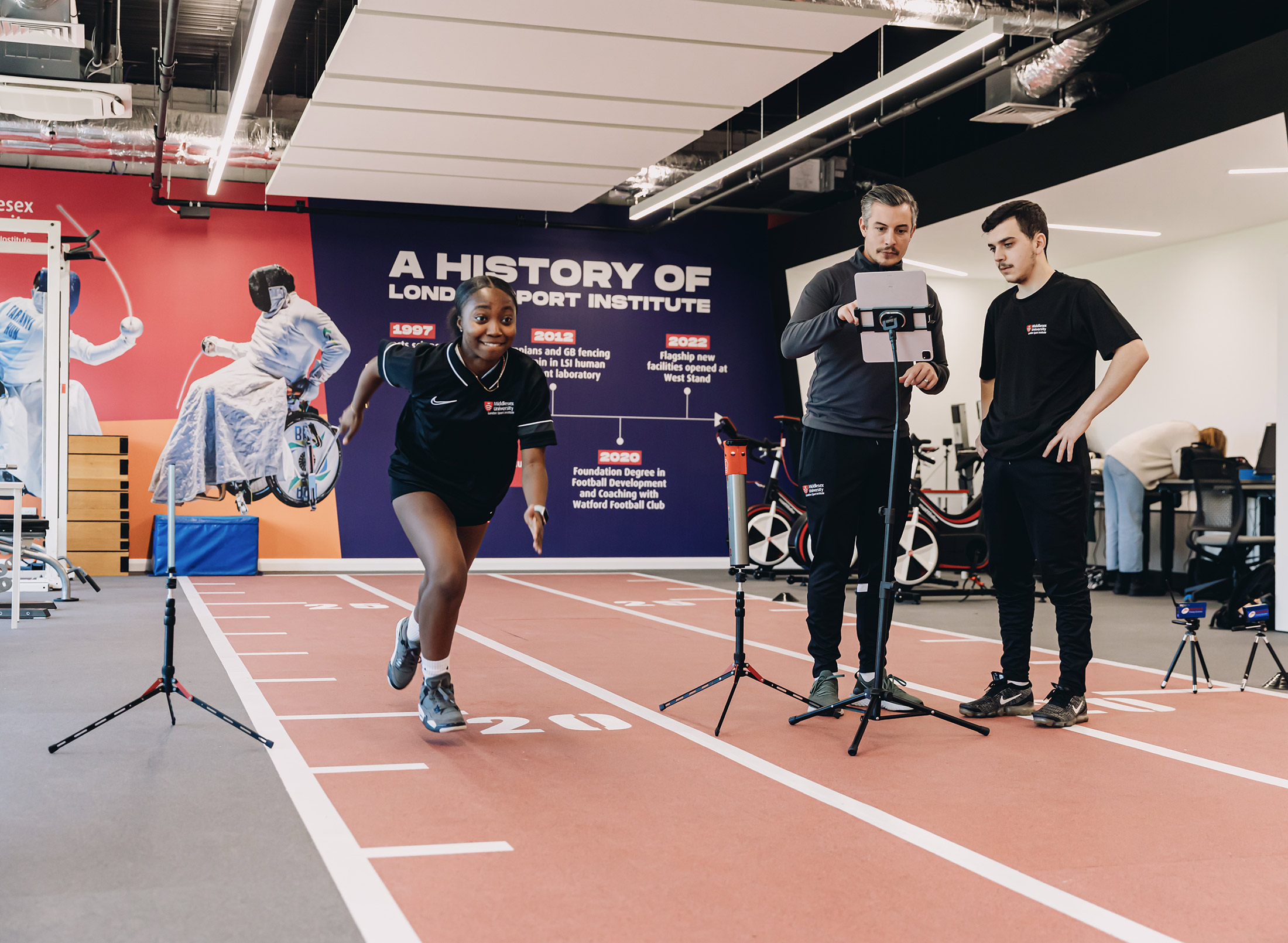
Coaching also needs to become more event-specific. A sprinter cannot be trained using the same approach as a marathon runner, just as a shot putter requires a completely different programme from a high jumper. The best systems combine technical coaching with carefully measured physical development.
Recovery is another increasingly important factor. Athletes who compete throughout a long season need carefully managed workloads. Excessive training without sufficient recovery can lead to fatigue, injuries and declining performance. A modern approach should therefore focus not simply on training harder, but on training intelligently.
Technology Is Changing Athletic Preparation
Technology is becoming an increasingly important part of competitive sport. High-speed cameras can help coaches examine running mechanics and jumping techniques, while wearable devices can provide information about workload and recovery. Video analysis can reveal small technical problems that may be difficult to identify during ordinary training sessions.
Data can also help athletes understand competition patterns. A distance runner can analyse pacing and split times, while a sprinter can study acceleration and maximum velocity. Throwers can examine release angles, approach speed and movement sequences. These insights allow coaches to make training more precise rather than relying entirely on observation and experience.
However, technology should support coaching rather than replace it. Numbers are useful only when interpreted correctly. The best performance systems combine data with an understanding of an athlete’s physical condition, technical history, competition schedule and individual response to training.
Women Are Playing a Larger Role
The development of women’s athletics is another major part of India’s sporting future. Indian women are competing across sprints, hurdles, distance events, jumps, throws, race walking and relays. Their increasing visibility can encourage more young girls to view athletics as a realistic competitive pathway.
Vithya Ramraj’s performance at the 2026 Asian Games was particularly significant because her 400m hurdles result demonstrated how national records can continue to fall even in events with a long history. Her achievement also illustrates the importance of providing women athletes with opportunities to compete consistently at high levels.
Greater participation also requires supportive sporting environments. Access to coaching, safe training facilities, competition opportunities and professional support should be available to female athletes throughout their development. When these conditions exist, talent has a much better chance of turning into international performance.
The Importance of Domestic Competitions
International medals attract attention, but domestic competitions form the foundation of athletic development. National championships give athletes the opportunity to test themselves against the country’s strongest competitors and provide selectors with valuable performance information.
The domestic calendar remains active after the Asian Games. The 65th National Open Athletics Championships are scheduled for October 2026, followed by the Indian Open U23 Athletics Championships in Jaipur and the National Junior Athletics Championships in Chennai. These competitions create an important bridge between senior, U23 and junior athletes.
Domestic meets are also essential for discovering athletes who have not yet gained international recognition. A young competitor may not receive widespread attention until producing an outstanding result at a national championship. A healthy domestic circuit ensures that these athletes have somewhere to demonstrate their ability.
Challenges That India Still Needs to Address
Despite clear progress, Indian athletics still faces several challenges. Access to high-quality facilities remains uneven across regions, and athletes from smaller cities may not have the same training opportunities as competitors based in major sporting centres. Coaching quality can also vary considerably between institutions.
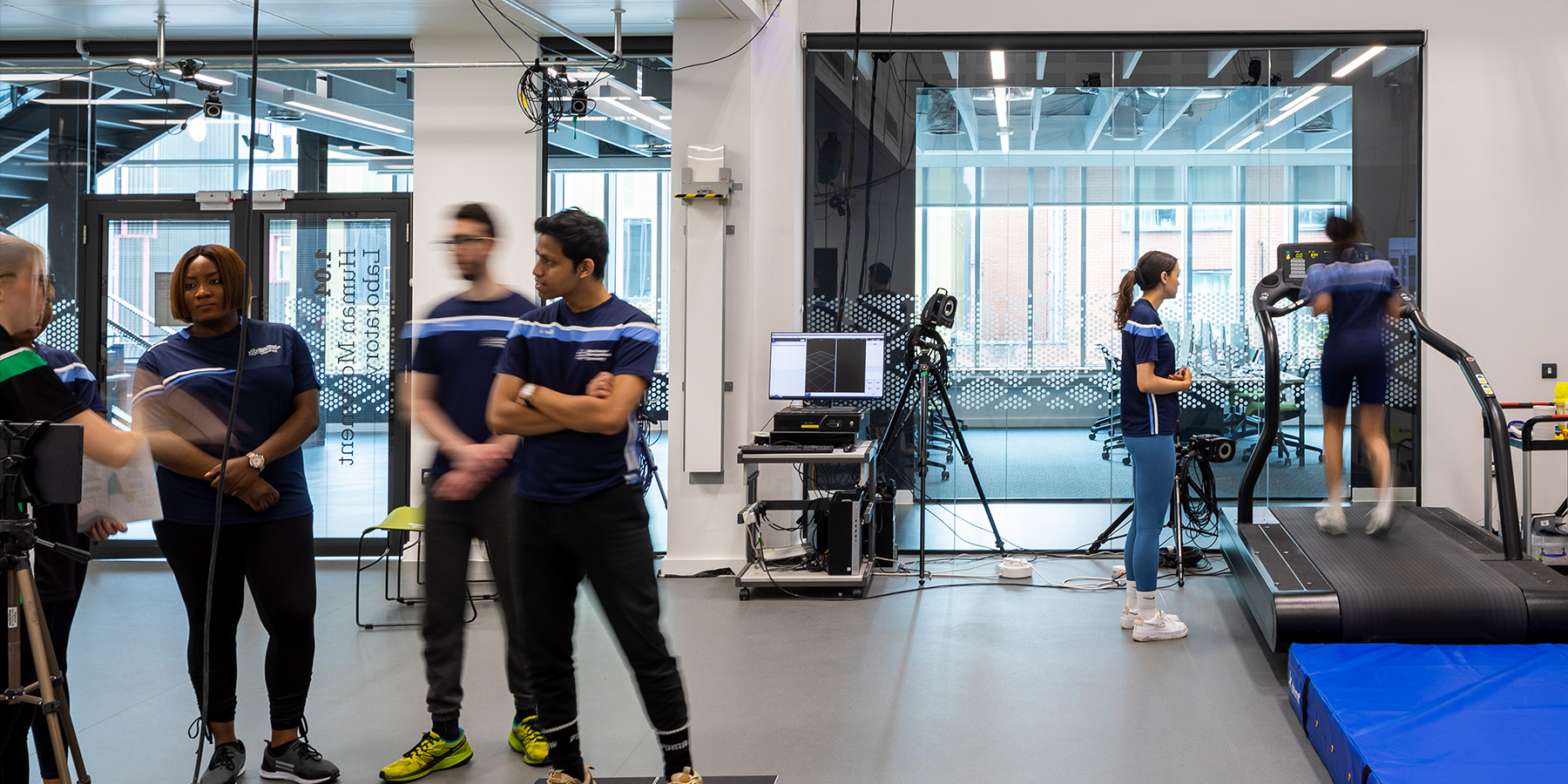
Another challenge is maintaining performance over several years. Producing one outstanding season is difficult, but remaining competitive through multiple Olympic and Asian cycles is even harder. Athletes need consistent support during periods when they are injured, out of form or transitioning between age categories.
Key areas that deserve continued attention include:
- Greater access to specialist coaches across different events.
- More international competition experience for developing athletes.
- Stronger sports-science and recovery support.
- Better transition programmes from junior to senior competition.
- Long-term planning for Olympic and world-level performance.
The aim should not simply be to produce one superstar every few years. A mature athletics system should continuously produce competitive athletes across a wide range of events.
What the Future Could Look Like
The future of Indian athletics is closely connected with the development of younger competitors. The current generation has created higher expectations, while younger athletes are entering an environment where athletics receives more recognition than it did in previous decades.
The next major objective is consistency. India needs more athletes capable of reaching finals at world championships and Olympic Games, rather than relying heavily on a few medal contenders. Greater depth would make the national programme more resilient and increase the chances of success across multiple events.
The period leading toward the 2028 Los Angeles Olympics will be particularly important. Athletes who performed well at the 2026 Asian Games can use that experience as a foundation, while younger competitors will have opportunities to challenge established names. The lessons from the Asian Games can therefore help shape training and selection decisions for the next Olympic cycle.
Indian Athletics and India’s Sporting Ambition
The broader importance of Indian athletics goes beyond medals and records. Athletics is one of the core sports of the Olympic programme, and success across its many disciplines can significantly improve India’s overall sporting profile. Strong performances in running, jumping, throwing and combined events demonstrate the depth of a country’s sporting ecosystem.
There is also a cultural effect. When young people watch Indian athletes competing successfully, they may become more interested in running, jumping or throwing themselves. This can encourage participation at schools and community levels. Over time, increased participation creates a larger talent pool from which elite athletes can emerge.
At the same time, expectations need to remain realistic. International athletics is extremely competitive, and countries with decades of specialised systems continue to invest heavily in coaching, science and infrastructure. India can make significant progress, but sustainable success will require patient development rather than expecting immediate dominance.
Conclusion
Indian athletics is moving through an important period of transformation. The country now has greater visibility in international competitions, a growing collection of established athletes and an increasingly competitive group of younger performers. The 2026 season has demonstrated both the progress that has already been made and the areas that still require attention. The results at the Asian Games showed that India can compete strongly across several disciplines, while individual performances and national records provided additional evidence of a developing talent base. Yet the next step is to turn promising performances into consistent world-level results. That will require better grassroots programmes, specialised coaching, scientific training, international exposure and long-term athlete support.

