
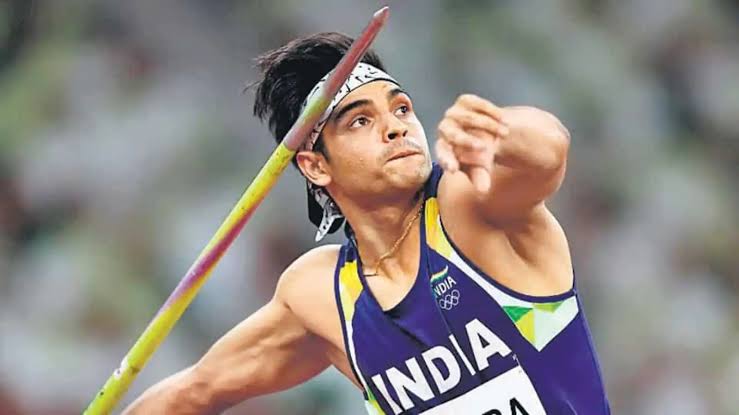
The javelin world athletics championships represent one of the most technically demanding competitions on the global athletics calendar. Unlike events where success depends mainly on speed or endurance, javelin combines a fast approach, explosive strength, precise throwing mechanics, body control and the ability to release the implement at the right moment. A difference of only a few centimetres can separate a medal-winning performance from a place outside the podium.
The event has also become increasingly popular because of the personalities and rivalries surrounding it. In recent years, athletes from Europe, Asia, Africa, Oceania and the Americas have produced major performances, creating a highly competitive international field. India and Pakistan have added particular interest in the men’s event, while the women’s competition continues to develop with athletes capable of producing throws beyond 60 metres on the biggest stage.
For followers looking ahead from 2026, the next major outdoor World Athletics Championships are scheduled for Beijing in 2027. World Athletics lists the championships for 10–19 September 2027 at the National Stadium in Beijing. That makes the Tokyo 2025 championship an important reference point for understanding the current competitive landscape and the direction the event could take in the next global championship cycle.
What Makes the Javelin Event So Challenging?
Javelin is much more than simply throwing an object as far as possible. Athletes have to build speed during their approach while maintaining control over their posture and the javelin. During the final stages, the athlete converts horizontal momentum into a powerful throwing action. The hips, trunk, shoulder, arm and wrist all contribute to the release, while foot placement and balance help determine whether the attempt is legal and effective.
The release angle, speed and height of the javelin can significantly influence the final distance. Weather conditions can also affect performances because wind direction and strength may influence how the javelin travels through the air. This explains why an athlete with an enormous personal best may not necessarily reproduce that distance in every championship final. Major competitions require athletes to combine physical ability with tactical awareness and consistency.
How Qualification and the Final Work
At a World Athletics Championships, the javelin competition normally begins with a qualification round. Athletes attempt to reach the automatic qualifying standard, while those who do not reach it can still advance if their performances place them among the required number of best throwers. At Tokyo 2025, for example, the men’s automatic qualifying mark was 84.50 metres, with the best 12 performers progressing to the final.
The women’s qualification at Tokyo 2025 used a 62.50-metre automatic standard, with the best 12 advancing when necessary to complete the final field. This two-stage structure makes qualification important because athletes have to balance ambition with consistency. A huge throw is not always necessary if an athlete can safely produce a mark that secures progression.
Tokyo 2025: A Major Chapter in Javelin
The most recent completed World Athletics Championships provide a useful snapshot of the sport. Tokyo hosted the 2025 championships from 13 to 21 September, and the men’s javelin final was held on 18 September, while the women’s final took place on 20 September.
The men’s final produced a particularly competitive result. Trinidad and Tobago’s Keshorn Walcott won with 88.16 metres, followed by Grenada’s Anderson Peters at 87.38 metres and the United States’ Curtis Thompson at 86.67 metres. India’s Sachin Yadav finished fourth with a personal best of 86.27 metres, while Julian Weber of Germany was fifth with 86.11 metres. Neeraj Chopra finished eighth with 84.03 metres, and Pakistan’s Arshad Nadeem placed tenth with 82.75 metres.
| Position | Men’s athlete | Country | Final mark |
|---|---|---|---|
| 1 | Keshorn Walcott | Trinidad and Tobago | 88.16m |
| 2 | Anderson Peters | Grenada | 87.38m |
| 3 | Curtis Thompson | United States | 86.67m |
| 4 | Sachin Yadav | India | 86.27m |
| 5 | Julian Weber | Germany | 86.11m |
| 8 | Neeraj Chopra | India | 84.03m |
| 10 | Arshad Nadeem | Pakistan | 82.75m |
The result demonstrated how competitive a championship final can become. Several athletes entered Tokyo with personal or season-best performances that suggested they could contend for medals, but the final itself produced a different order. Sachin Yadav’s fourth-place finish was particularly notable because his 86.27-metre throw was recorded as a personal best.
The Women’s Javelin Competition Is Growing in Depth
The women’s side has developed into an increasingly international competition, with athletes from different continents challenging for major medals. Tokyo 2025 produced an especially interesting final because the podium was occupied by athletes from Ecuador, Latvia and Australia.
Ecuador’s Juleisy Angulo won the women’s title with 65.12 metres, a national record. Latvia’s Anete Sietiņa finished second with 64.64 metres, recorded as a personal best, while Australia’s Mackenzie Little took third with 63.58 metres. South Africa’s Jo-Ane du Plessis was fourth with 63.06 metres, while Greece’s Elina Tzengko finished fifth at 62.72 metres.
The qualification round had already demonstrated the competitiveness of the field. Serbia’s Adriana Vilagoš led the qualification standings with 66.06 metres, while Mackenzie Little and Juleisy Angulo also automatically qualified by exceeding the 62.50-metre standard. The contrast between qualification and final results illustrates an important feature of championship athletics: qualification performances can provide momentum, but medals are ultimately decided by what happens in the final.
Important Women’s Athletes to Follow
Several names from the Tokyo cycle deserve attention when assessing the future of the event. Juleisy Angulo emerged as the 2025 world champion, while Anete Sietiņa produced a strong championship showing with a personal-best performance. Mackenzie Little also remained among the leading international competitors.
Adriana Vilagoš is another athlete worth watching because of her youth and high-level qualification performance. She produced 66.06 metres in the Tokyo qualification round, the best mark in that stage, before finishing eighth in the final. Her progression demonstrates why qualification results should not be treated as a prediction of the final podium.
The Rise of Javelin in India and South Asia
Javelin has gained considerable attention in India because of Neeraj Chopra’s international success. His achievements have helped bring greater public awareness to an event that previously received much less mainstream attention than cricket or several track events. However, the Tokyo 2025 results showed that India’s javelin development is not limited to one athlete.
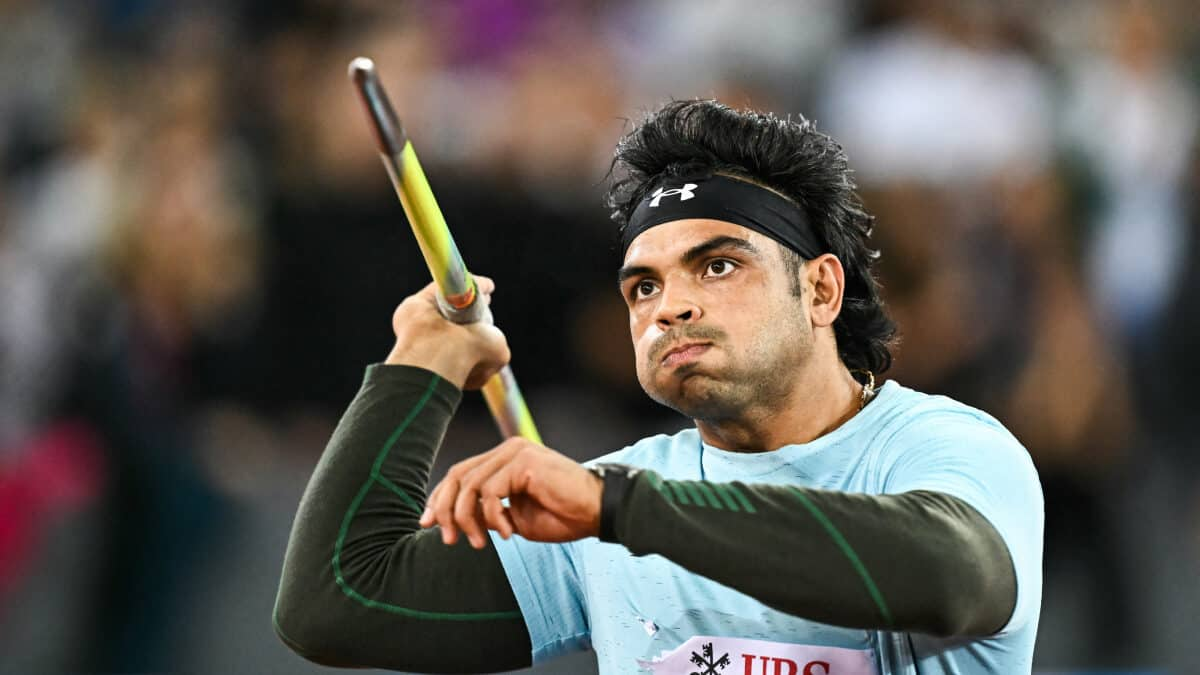
Sachin Yadav reached fourth place in the men’s final with an 86.27-metre personal best, while Chopra finished eighth. Both had reached the final after the qualification stage, with Chopra producing 84.85 metres and Sachin recording 83.67 metres. The presence of multiple Indian finalists indicates the increasing depth of the country’s javelin programme.
Pakistan has also become an important part of the international javelin conversation through Arshad Nadeem. He entered the Tokyo 2025 competition with a major international profile and qualified for the final after throwing 85.28 metres. His final mark of 82.75 metres placed him tenth. The wider South Asian presence makes future championship editions particularly interesting for fans following athletics in the region.
Key Factors That Decide a Championship Final
Elite javelin competition is often decided by a combination of technical execution and competitive consistency. Athletes may have the physical strength to throw beyond 85 or 90 metres, but championship success requires them to execute under pressure. Fouls, timing problems, changes in rhythm and small technical mistakes can all reduce a potentially excellent throw.
Some of the most important elements include:
- Approach speed and controlled acceleration.
- Efficient transition into the throwing position.
- Release speed, angle and direction.
- Balance during the delivery and recovery phases.
- Ability to produce a legal throw under championship pressure.
Another important factor is competition management. Athletes usually receive multiple attempts in the final, meaning they have opportunities to respond to the performances of their rivals. An athlete who starts conservatively may later increase risk, while someone who produces a strong early throw can approach subsequent attempts with less pressure. This tactical dimension gives javelin a different character from events decided by a single attempt.
Why Championship Records and Personal Bests Matter
Personal bests and championship marks provide useful context when evaluating performances, but they need to be understood correctly. A personal best demonstrates an athlete’s highest officially recorded level, while a season best shows the strongest performance during a particular season. Neither automatically determines what will happen at a championship.
Tokyo 2025 provided several examples. Sachin Yadav established a personal best of 86.27 metres in the men’s final, while Anete Sietiņa recorded a personal best of 64.64 metres in the women’s final. Juleisy Angulo’s winning 65.12-metre throw was also a national record for Ecuador. These marks show how a major championship can become the setting where athletes reach a new level rather than merely reproduce earlier performances.
For fans, comparing personal bests with championship results can therefore reveal the difference between potential and execution. An athlete might arrive with a huge personal best but struggle to reproduce it, while another may deliver the best throw of their career precisely when it matters most.
Looking Ahead to the 2027 World Championships
The next outdoor World Athletics Championships are scheduled for Beijing from 10 to 19 September 2027. The event is listed for the National Stadium in Beijing and will include track and field competition. For javelin followers, the Beijing championship will provide the next major global opportunity for established champions, rising throwers and returning stars to compete for world titles.
The period between Tokyo and Beijing is particularly significant because athletes will have time to improve their technical consistency, build strength and develop competition experience. Younger throwers who reached finals or produced strong qualification performances in Tokyo may enter the next championship with greater confidence. At the same time, established competitors will have opportunities to adjust their training and recover from the demanding international competition cycle.
What Fans Can Expect From the Next Championship Cycle
The men’s event is likely to remain highly international, with strong representation from Europe, the Caribbean, Asia, Africa and the Americas. Tokyo showed that the podium could be decided by throws in the mid-to-high 80-metre range, while the qualification round demonstrated that several athletes were capable of producing performances above the automatic standard.
The women’s event should also remain open to athletes from multiple regions. Tokyo’s podium featured Ecuador, Latvia and Australia, while Serbia, South Africa, Greece, Colombia and other nations had finalists. Such geographic diversity is important for the continued development of the discipline because it shows that elite javelin is not concentrated in one country or region.
How to Follow Javelin Performances More Closely
Fans who want to understand the event beyond medal positions should pay attention to qualifying marks, personal bests, season bests and individual throwing series. Looking only at the final distance can hide the story of the competition. For example, an athlete may produce a strong opening throw, foul a second attempt and then improve again on the third. Another athlete may struggle early before delivering a decisive final attempt.
It is also useful to compare qualification and final performances. Tokyo 2025 showed that some athletes who ranked highly in qualification did not necessarily occupy the same positions in the final. That difference is a reminder that championship athletics is about performance at a particular time and under specific competitive conditions.
Conclusion
The javelin world athletics championships combine explosive athleticism, technical precision, tactical decision-making and international competition in a single event. Tokyo 2025 highlighted that balance particularly well, with Keshorn Walcott taking the men’s title at 88.16 metres and Juleisy Angulo winning the women’s championship with 65.12 metres. The Tokyo results also showed the growing depth of the discipline. Sachin Yadav’s fourth-place finish and personal best demonstrated India’s expanding presence, while the performances of athletes such as Anderson Peters, Julian Weber, Arshad Nadeem, Mackenzie Little, Anete Sietiņa and Adriana Vilagoš reflected the broad international strength of modern javelin.